
For nearly two days, a 1-year-old boy sat inside a towed vehicle at a Detroit-area impound lot, undetected by anyone — until a detective connected a missing-child report to a single line in the tow paperwork and reached the car in time.
A Routine Tow That Wasn’t Routine at All
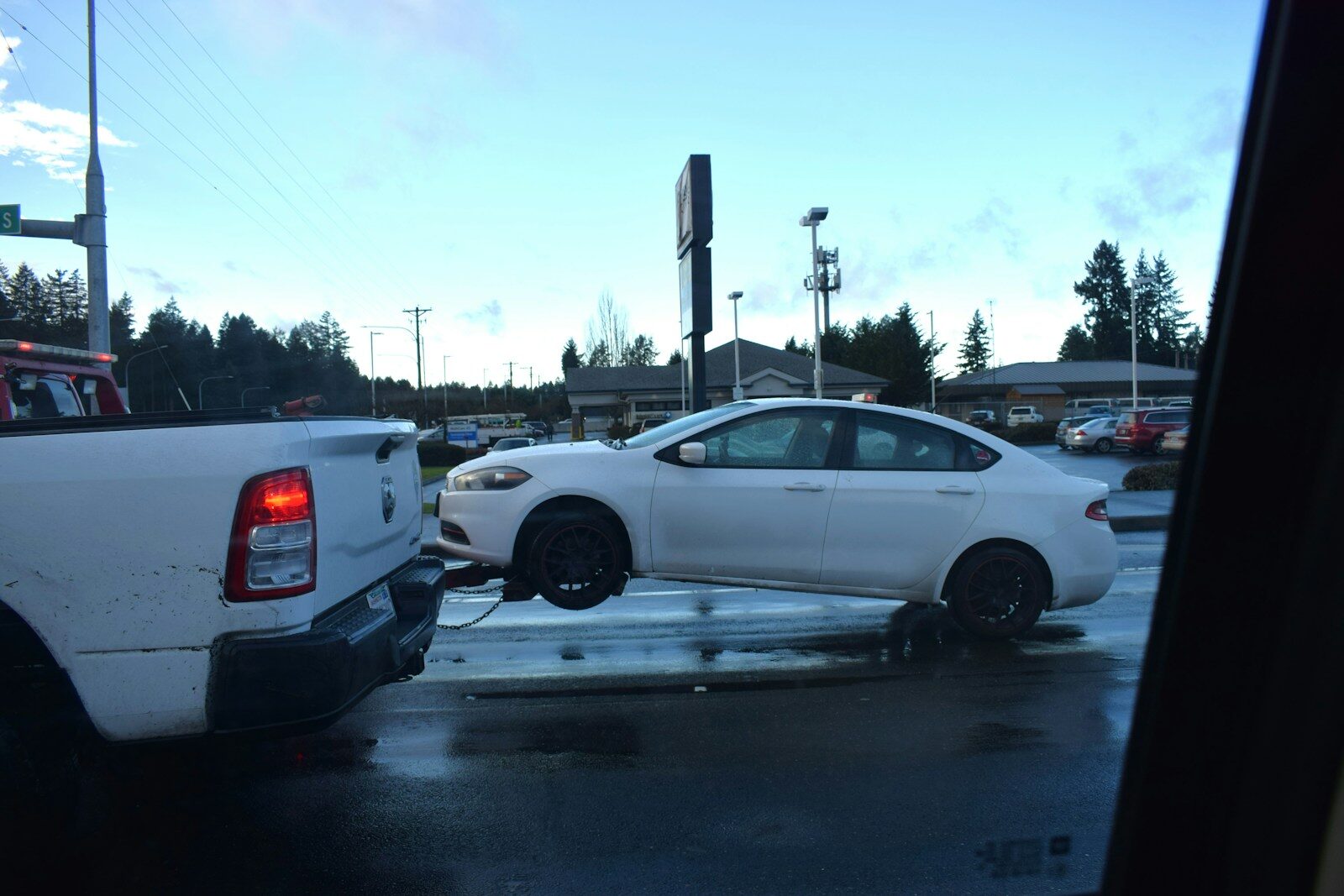
The chain of events began February 26 in Harper Woods, on Detroit’s east side, when officers responded to a report of a vehicle illegally parked and blocking a driveway. The responding officer looked through the windows, saw nothing of concern, and — following standard procedure that prohibits officers from forcing entry into a locked vehicle during routine parking enforcement — called for a tow. The car was hauled to an impound lot the next day, February 27, and sat there through the following afternoon with no indication to anyone involved that a child was inside.
The Detail That Changed Everything
That changed on the morning of February 28, when a woman called Detroit police to report her 1-year-old missing. As investigators moved quickly to trace the child’s whereabouts, a detective learned that the woman’s boyfriend, identified as Detroit man Orlander Linson Jr., had a vehicle that had been impounded the day before. That single connection sent officers straight to the impound lot, where a detective looked through the car’s windows and found the missing toddler in the back seat, crying and alive.
The child was taken to a hospital for evaluation; authorities haven’t released further details on his medical condition. He was later placed into the custody of Child Protective Services as the investigation continued.
Where the Process Is Being Questioned
Harper Woods Police Chief Jason Hammerle has defended the responding officer’s actions, saying the visual inspection and decision to call a tow followed department policy, since officers aren’t permitted to force entry into a locked car during a routine parking enforcement stop. But a retired Detroit police official who reviewed the case suggested the outcome might have gone differently if the tow crew had used tools some operators carry to unlock vehicles during the impound process — a step that wasn’t taken because nothing suggested a child was present at the time.
It’s a gap that authorities are still examining: nothing in the initial call, the parking violation, or the tow itself pointed to a child being inside, and it took an entirely separate missing-person report to expose it.
The Charges Against the Father
Despite the questions around the towing process, investigators’ focus turned to the child’s father. Police arrested Linson after determining he was responsible for leaving the toddler inside the vehicle, and prosecutors have charged him with second-degree child abuse. During the arrest, officers also found Linson had ten active warrants, according to Deputy Chief Ted Stager, and that he did not have a permanent residence. Linson remains in custody as the case moves through the court system; the charge against him is, at this stage, an allegation that has not been proven in court.
A Search That Ended Just in Time
Investigators have credited the detective who linked the missing-child report to the impounded vehicle with preventing what authorities described as a potentially far more tragic outcome. The case remains active as officials continue reviewing the full timeline, including how the child came to be left in the vehicle and whether earlier detection during the tow or impound process might have been possible.