
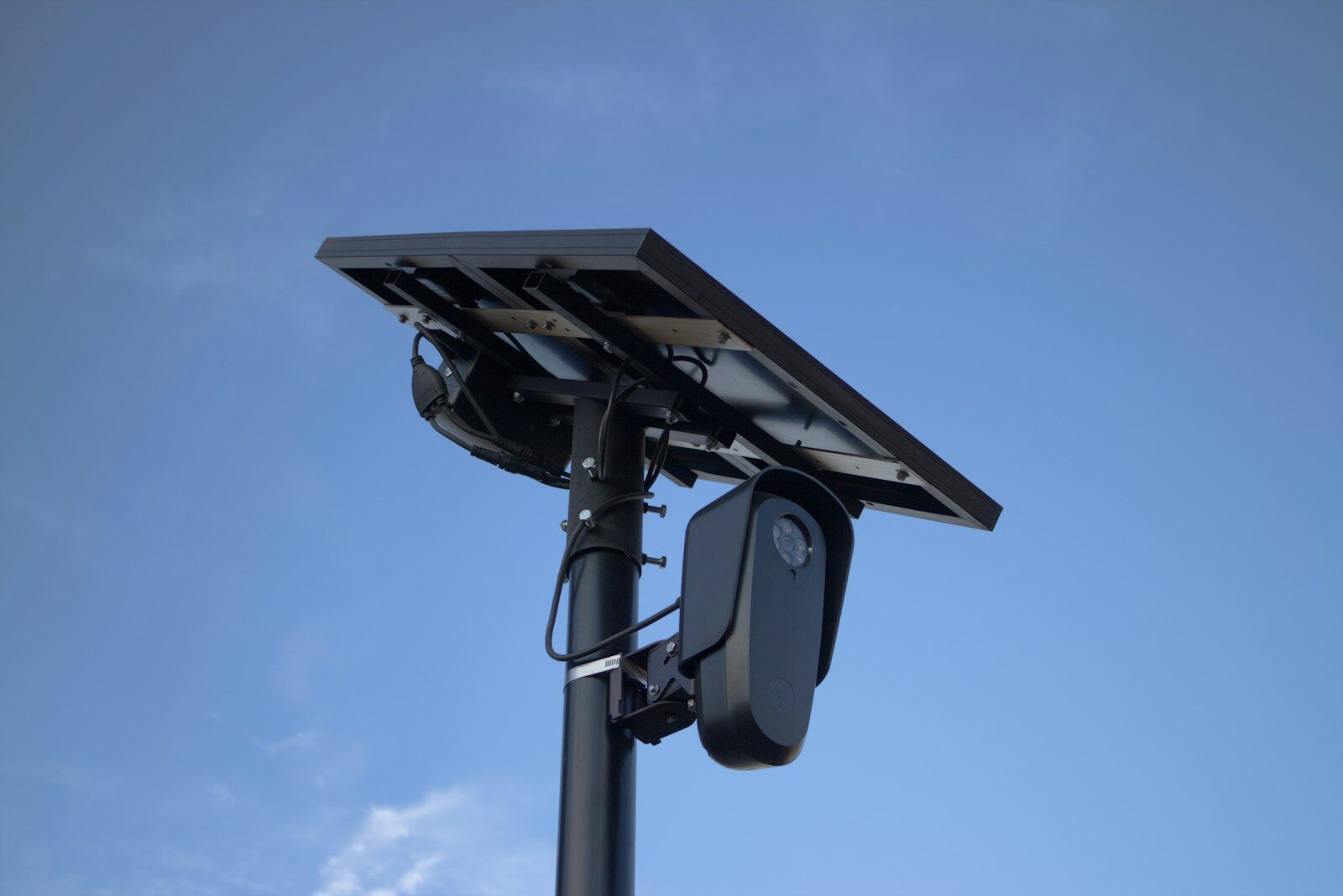
Three felony counts for damaging equipment that doesn’t even interact with drivers directly — that’s the legal reality now facing a Clarkston man accused of destroying license plate readers in Waterford Township, and it comes down to how Michigan law treats damage to government law enforcement infrastructure.
One Charge Per Camera
Spencer Anderson, 24, is charged with three felony counts of malicious destruction of police property, one for each license plate reader investigators say was torn from its mount and smashed in late February. That per-device charging structure isn’t incidental — Michigan treats each act of damage to law enforcement equipment as its own offense, which is why a single vandalism spree targeting multiple devices can stack charges quickly rather than resulting in one blanket count.
Why These Cameras Count as Government Property, Not Just Hardware
The reader systems belong to and are operated by the Waterford Police Department as part of its traffic-monitoring and investigative toolkit, mounted along roadways specifically to log vehicles passing through the area. Authorities were direct that whatever opinions people might hold about surveillance technology, deliberately destroying that equipment is still a criminal act — and under Michigan law, damaging property tied to law enforcement operations carries more weight than ordinary vandalism of private property.
The Restitution Bill Still to Come
Beyond the criminal charges, police have said they intend to seek restitution to cover the cost of repairing or replacing the damaged readers. That’s a separate financial consequence from the felony counts themselves, and it reflects how these cases often carry two tracks: criminal penalties for the act itself, and a civil-style repayment obligation for the actual cost of the equipment destroyed.
Where the Case Stands
Anderson was arrested, then released after posting a $500 cash bond, and is scheduled for a probable cause conference on March 11, where prosecutors will present the evidence gathered so far. No injuries were reported in connection with the incident — the case centers entirely on property damage to law enforcement infrastructure. As with any pending criminal matter, the charges remain allegations at this stage, and Anderson is presumed innocent unless the case results in a conviction.
For now, the three felony counts remain active as the case works through Michigan’s court system, with the restitution question likely to follow well after the criminal proceedings are resolved.