 By John Lloyd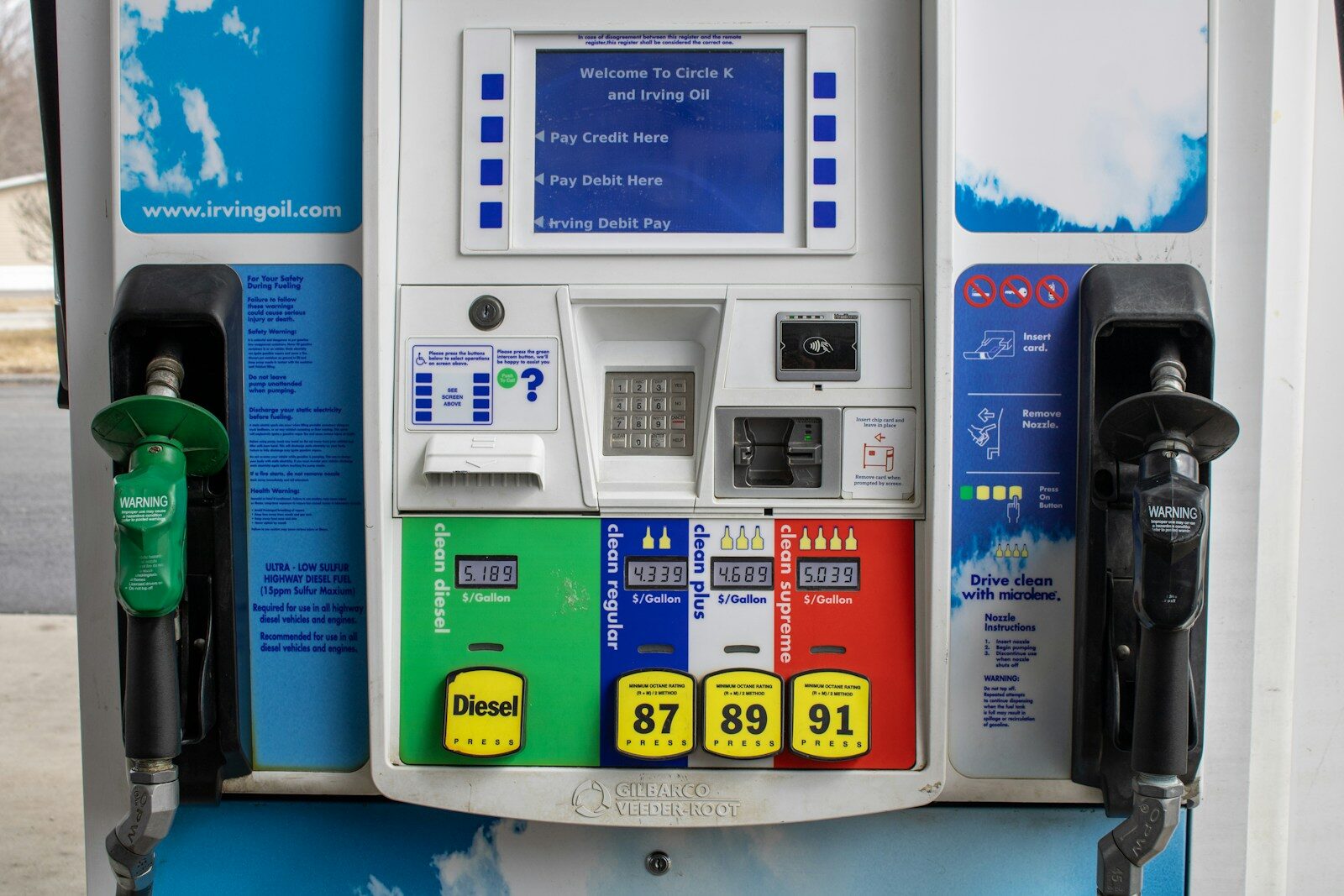
There’s a point where gas prices stop creeping up and start jumping, and that’s exactly where things are right now. Drivers across the United States are feeling it almost overnight, not over months. What had been a slow climb suddenly turned into a sharp spike, and it’s showing up at every pump.
The national average has now reached $4.17 per gallon, marking the highest level seen in four years. That number didn’t build gradually either. Since late February, prices have surged by more than a dollar per gallon, which is a significant jump in a very short amount of time. Moves like that don’t happen without a bigger force behind them.
More Stories Like This
- Ford Quietly Drops Shelby Name on New Mustang and the Reason Might Come Down to Millions
- Canada Just Drew a Hard Line on Gas Cars and the Auto Industry Is Running Out of Time
- Porsche Pulls Out of Bugatti and Rimac After 93% Profit Collapse
It Started With Oil — And It Hasn’t Settled
The root of the spike is oil, and more specifically, what’s happening in the global oil market right now. The ongoing conflict involving Iran has created instability that markets don’t handle well. When uncertainty enters the picture, oil prices tend to react quickly, and that reaction is what’s driving everything else.
Crude oil is now hovering around $99 per barrel, which represents a major increase compared to pre-conflict levels. That kind of movement doesn’t stay isolated within the oil market. It flows directly into fuel costs, because gasoline is heavily dependent on crude as its primary ingredient. When oil climbs this fast, gas prices don’t have much choice but to follow.
Why This Isn’t Just a Regional Problem
Even though the United States produces more oil than it consumes, that doesn’t shield it from global price swings. Oil is priced on an international market, which means supply disruptions anywhere can affect prices everywhere. It’s not a localized issue, and it doesn’t stay contained.
One of the biggest pressure points right now is the Strait of Hormuz. This narrow waterway handles roughly one-fifth of the world’s oil supply, making it one of the most critical routes in global energy trade. Any disruption there immediately tightens supply, and markets respond almost instantly.
Prices Tried to Cool Off — Then Reversed
There was a brief moment where it looked like things might stabilize. A ceasefire announcement earlier in April temporarily eased some of the pressure on oil markets, and gas prices reflected that with a slight dip. For a short time, it seemed like drivers might get a break.
Related Incidents
- One of the Rarest Supercars Ever Built Just Showed Up on a California Highway and People Still Can’t Believe It
- Police Chase Storms Through Autocross Event, Sends Drivers Running and Turns Quiet Race Day Into Chaos
That didn’t last. Negotiations have stalled, and there’s no clear resolution in sight. As tensions continued, oil prices moved back up, and gas prices followed right behind them.
Why Drivers Are Feeling It So Fast
Gasoline prices react quickly because crude oil makes up more than half of the cost at the pump. When oil prices spike, the effect shows up in fuel prices faster than most people expect. There isn’t much delay between what happens in global markets and what drivers see locally.
A 28% increase in just a couple of months is not normal. That kind of movement creates immediate pressure, especially for people who rely on their vehicles every day. Commuters, delivery drivers, and anyone covering long distances are seeing the impact right away.
What Happens Next
Where prices go from here depends largely on what happens in the Middle East. If tensions ease and supply stabilizes, there’s a chance prices could level off or even drop slightly. That would require a clear shift in the current situation, though, and that hasn’t happened yet.
You Should Read This Next
- Feds Say High-Tech Car Theft Crew Stole Over 130 Vehicles and Shipped Them Overseas Before Anyone Knew What Happened
- GM Drops $40 Million on One Hire and It’s Not Who You Think
If the conflict continues or escalates further, there’s still room for prices to move higher. Markets are reacting in real time, and right now, the direction isn’t settled. That uncertainty is what keeps prices volatile.
The Bottom Line
Gas prices didn’t just rise — they jumped, and they did it fast. The increase isn’t tied to one factor but to a chain reaction that starts with global oil supply and ends at the pump. That’s why the change feels sudden, even though the causes have been building.
As long as oil markets remain unstable, drivers are going to keep seeing the effects. And for now, there’s no clear sign that things are about to settle down.
Continue Reading: Georgia Wildfires Destroy Auto Shop, Wedding Chapel — Owner Says Losing 100 Cars ‘Hasn’t Sunk In’
 Shawn Henry
  Eve Nowell