 By Shawn Henry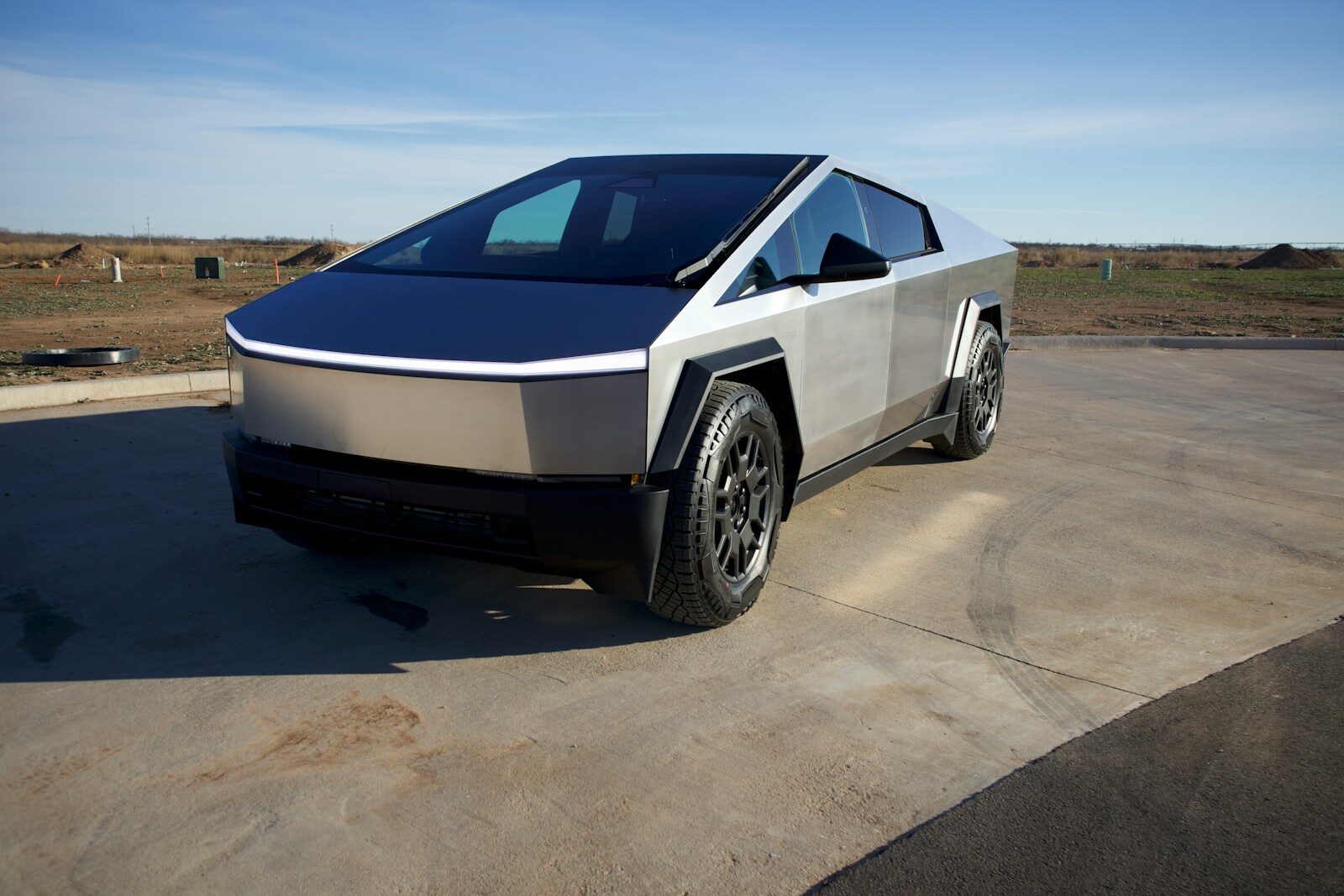
Tesla is facing another Cybertruck problem, and this one cuts straight into the kind of issue that can crush buyer confidence fast. A recall tied to defective brake components on the rear wheel drive Cybertruck is now colliding with slowing demand for the truck itself, creating a rough situation for a model Tesla likely expected to sell far more aggressively.
The recall affects 173 Cybertrucks equipped with 18-inch wheels, but the real problem is not the number alone. It’s the nature of the defect. According to the reported issue, faulty brake rotors could crack around the wheel stud holes, potentially creating enough stress on the hub assembly that a wheel could detach while driving.
More Stories Like This
- Texas Gas Station Clash: Woman Caught Kicking Corvette Z06 Sparks Heated Fight Over Noise, Property Damage, and Driver Rights, Watch
- Inside the Missouri City Chop Shop Bust: Stolen Trucks, Multi-Agency Crackdown, and What It Means for Car Owners
- $350K Shocker: Modified “New” Acura NSX-T Sparks Collector War and Rewrites What Enthusiasts Pay For
That is not a minor annoyance. That is the kind of mechanical failure that instantly changes how buyers look at a vehicle.
And that’s where things start getting ugly for Tesla’s rear wheel drive Cybertruck.
The recall arrives as sales of that specific version have reportedly dwindled, and the timing matters. Consumers shopping for expensive vehicles, especially something as polarizing and unconventional as the Cybertruck, are already taking a leap of faith. A defect involving the possibility of wheels separating from the truck adds a level of risk many buyers simply will not tolerate.
Here’s the part that matters. This is not about cosmetic issues, software glitches, or panel gaps people argue over online. This is tied directly to a core safety component involving braking hardware and wheel attachment points. Once buyers hear words like cracked rotors and detached wheels connected to a new vehicle, perception changes immediately.
According to MotorTrend, the issue centers around the wheel stud holes inside the brake rotor assembly. Those holes can reportedly begin cracking, especially when stress builds while driving through curves. As the cracks worsen, additional force gets transferred into the hub assembly.
That detail matters because the problem may not necessarily show itself sitting in a driveway or parking lot. The stress develops while the truck is being driven, particularly during cornering forces. For owners, that creates uncertainty about when the issue could escalate.
Tesla’s Cybertruck launch has already been surrounded by intense scrutiny from both supporters and critics. Every issue tied to the truck receives amplified attention because the vehicle was marketed as something revolutionary. The design, the construction, and the branding positioned it as a futuristic truck capable of reshaping the pickup market.
Instead, recalls and quality concerns keep becoming part of the conversation.
This is where the story turns.
The rear wheel drive Cybertruck was supposed to help broaden access to the model lineup. Lower-cost versions often play a major role in boosting total sales volume for automakers. But weaker demand combined with a safety recall creates a difficult combination, especially for a vehicle that already divides public opinion.
Related Incidents
- Vandals Target Police Surveillance Cameras in Oakland — What This Means for Drivers and Street Crime Enforcement
- Rivian Cuts $2 Billion From Federal Loan But Expands Georgia Plant Output—What This Means for EV Production Power
Truck buyers tend to care about durability and reliability above almost everything else. They may accept aggressive styling or unconventional engineering if the truck proves dependable. But defects involving brakes and wheel attachment systems strike directly at the trust buyers expect from any pickup, whether it’s a work truck or a lifestyle vehicle.
And that’s where Tesla faces a different kind of challenge compared to traditional automakers.
Legacy truck brands spent decades building reputations around toughness and long-term dependability. Buyers may criticize them for conservative designs, but companies like Ford, GM, and Ram understand how unforgiving truck customers can be when mechanical problems surface. Pickup buyers talk. Problems spread quickly through enthusiast communities and social media, especially when safety becomes part of the story.
Tesla, meanwhile, built its reputation largely around innovation, technology, and disruption. That strategy works well when products feel exciting and groundbreaking. It becomes more complicated when physical hardware problems begin stacking up on a vehicle designed to compete in one of the toughest automotive segments in America.
You Should Read This Next
NYC ‘Pit Crew’ Theft Ring Busted After $1.2M Parts Heist Leaves 250 Drivers Stranded
Missile Debris Slams Into Tesla Model Y Roof in Israel — What Happened Next Is Turning Heads
The Cybertruck was never going to be judged like a normal EV crossover or commuter sedan. Truck buyers expect abuse tolerance. They expect confidence while towing, cornering, hauling, and driving at highway speeds. A recall involving potential wheel detachment lands differently in the truck world than it would in almost any other segment.
There is also the financial side of this problem.
Even though the recall only affects 173 trucks with 18-inch wheels, headlines involving wheel separation create reputational damage far beyond the recalled vehicles themselves. Buyers considering other Cybertruck trims may now hesitate. Potential owners who were already uncertain about the truck’s unconventional design could decide to wait or walk away entirely.
That hesitation matters because EV competition is becoming increasingly aggressive. Consumers now have more electric truck choices than they did just a few years ago, and automakers are fighting hard for every sale. Tesla once benefited from being early to market and technologically ahead of rivals. But once quality and reliability concerns enter the picture, competitors gain an opening.
And enthusiasts notice these things quickly.
People who genuinely love trucks tend to forgive imperfections when a vehicle proves itself mechanically solid. But recurring recalls tied to major components make buyers question whether the product was rushed or not fully sorted before reaching customers.
That frustration grows even more when the vehicle carries the kind of hype and pricing associated with the Cybertruck.
None of this means the Cybertruck disappears tomorrow. Tesla still has a loyal customer base, and the truck continues generating enormous attention whenever it appears on the road. But attention cuts both ways. Every recall, defect report, and quality issue receives massive exposure because the Cybertruck exists under a microscope unlike almost anything else in the automotive world right now.
For Tesla, the bigger danger may not be this specific recall alone. It is the growing perception problem surrounding the truck itself. Once doubts about reliability begin settling into public opinion, reversing that narrative becomes much harder than generating excitement during launch week.
And for buyers spending serious money on a pickup, confidence matters just as much as horsepower or futuristic styling. Right now, that confidence is taking another hit.
Continue Reading: Consumer Reports Names the Best Cars Built in the USA — And the Results Aren’t What You’d Expect
 John Lloyd