
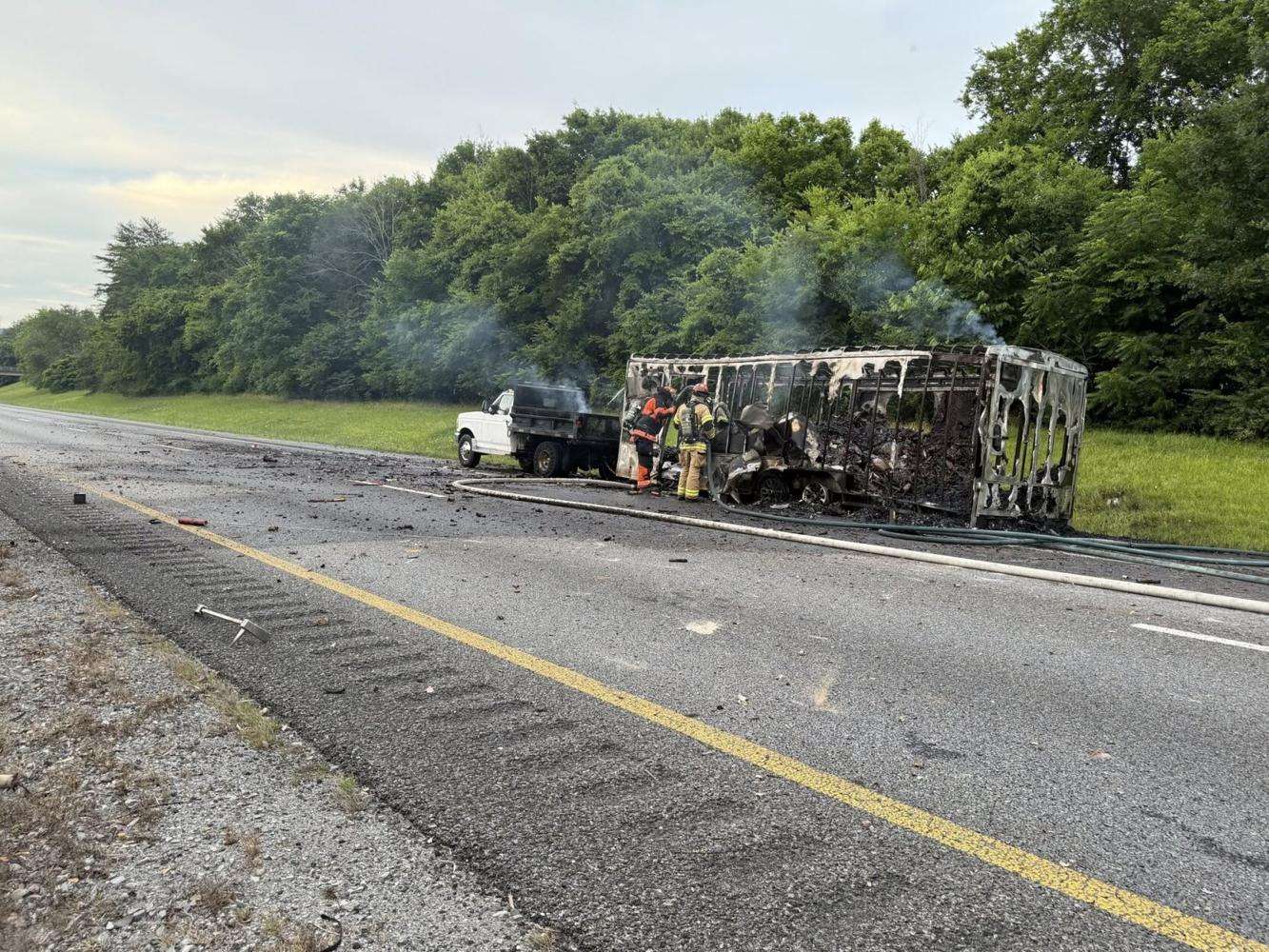
The fireworks truck that turned a stretch of Interstate 75 into a fireball over the weekend was not just unlucky. According to the Tennessee Highway Patrol, it was hauling its dangerous cargo without almost any of the federal safety measures the law requires, and now the driver and carrier are facing the kind of scrutiny that could end with serious penalties.
That detail changes the whole story. What first looked like a freak roadside fire has become a textbook example of how a truck loaded with explosive material can end up on a major highway with virtually nothing in place to warn anyone of what it was carrying.
10 Automotive Gadgets Worth Checking Out
How Saturday Night Unfolded
Back up to Saturday evening. A pickup truck pulling a box trailer packed with a full load of fireworks caught fire on I-75 north in Hamilton County. The cargo did exactly what fireworks do under those conditions. It went off. The fire was not a quiet one, and the explosions kept coming, which forced an aggressive response from crews on the ground.
The Tri-Community Volunteer Fire Department reported that no one was hurt, which is the one piece of good news in all of this. But the danger was serious enough that both the northbound and southbound lanes of I-75 were temporarily shut down as a precaution while the fireworks continued to detonate. Closing both directions of an interstate is not a small decision. It tells you how unpredictable the scene was and how little control anyone had over a trailer that had become a live hazard.
What Investigators Found After the Smoke Cleared
Here is what investigators say happened after the smoke cleared. The THP’s Commercial Vehicle Enforcement Division moved in with a post-fire inspection of the carrier, and what they found was not a single oversight but a stack of them. The agency says the truck was transporting fireworks while missing several of the hazardous materials protections that federal regulators treat as non-negotiable.
The list of alleged violations is long, and each one matters on its own. Investigators say the carrier lacked hazardous materials registration. There was no emergency response information on hand, the kind of paperwork that tells first responders exactly what they are dealing with when something goes wrong. The truck had no hazardous materials shipping papers and was missing the warning placards that identify dangerous cargo to everyone on the road. The driver did not hold the endorsement needed to confirm the person behind the wheel is qualified to move exactly this kind of load.
The Fire Was Just the Start of the Fallout
This is where the situation turns from a cleanup operation into a regulatory headache. The THP says the findings have been referred through regulatory channels for further review. Additional enforcement actions are on the table, and the agency made clear that federal penalties remain a real possibility as the case moves forward. In other words, the roadside fire was only the beginning.
Col. Matt Perry, who commands the Tennessee Highway Patrol, framed the issue around the people who run toward danger when everyone else is fleeing. He pointed to the purpose behind hazardous materials rules, noting they exist to protect both the public and the first responders who put themselves in harm’s way during incidents like this one. His point lands harder when you remember how this story started.
Why the Missing Paperwork Actually Matters
Now connect the dots. If the placards had been there, responders would have known what they were rolling up on. If the shipping papers and emergency response information had been in the cab, the people fighting that fire would have had a clearer picture of the risk. If the driver had carried the proper endorsement, there is at least a baseline expectation that the load was handled by someone trained for it. Almost none of that was in place when the trailer lit up.
Here is the part that should bother anyone who drives that corridor. Hazardous materials rules are not bureaucratic busywork. They are the thin layer of protection standing between a routine commute and a closed interstate full of exploding cargo. When a carrier skips them, the risk does not disappear. It gets transferred to everyone else on the road and to the volunteers and officers who have to deal with the aftermath.
The case is far from over. With the inspection findings now in regulatory hands and federal penalties still being weighed, the carrier may find that the financial and legal fallout outlasts the fire itself. The real question now is how a truck this poorly prepared ended up moving explosive cargo on a busy interstate in the first place, and whether the consequences will be heavy enough to make the next operator think twice.