
Forget the chase for a minute. The most interesting part of what happened outside Madison, Wisconsin isn’t the sirens, the spike strip, or even the dog that bolted from a stolen Cadillac and landed in an animal shelter. It’s a single clause buried in Wisconsin’s criminal code, one that quietly grades car theft on a curve, and explains why the driver behind all this chaos may have just talked her way out of the best deal state law had to offer, without even realizing it.
Garage Deals: Nowell Leather’s Hand-Stitched EDC Gear Belongs in Every Gearhead’s Glovebox
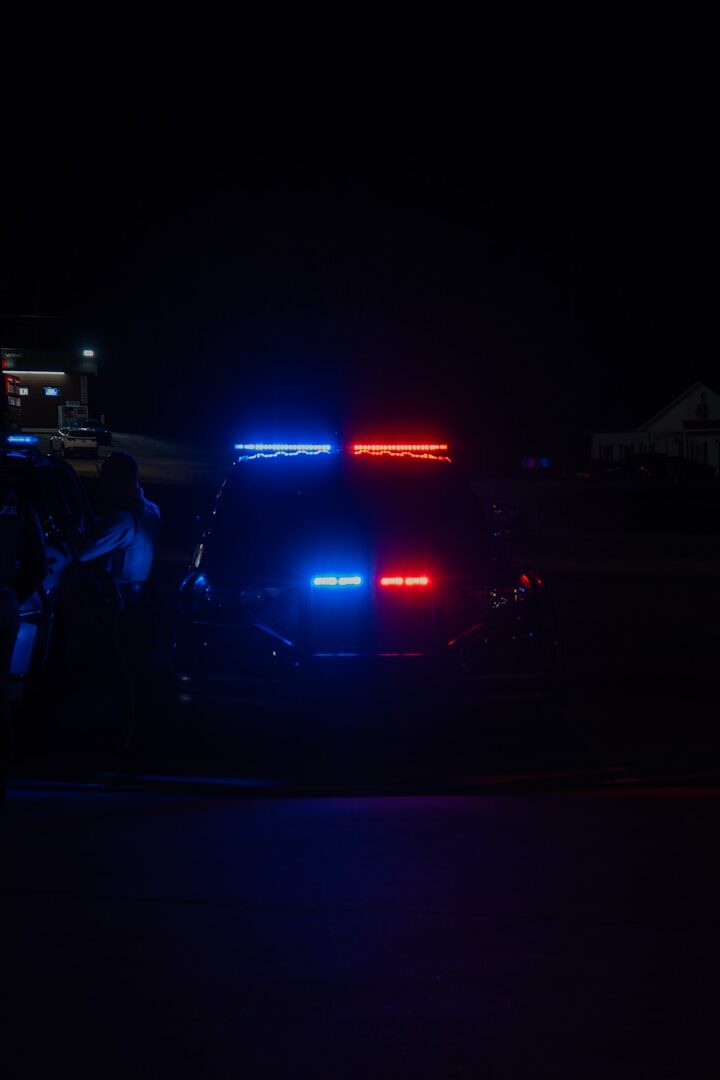
Here’s what happened, according to the Dane County Sheriff’s Office and a report from WMTV15 News. A deputy spotted a stolen Cadillac sedan heading west on Madison’s Beltline on a Friday afternoon. He looped in Monona police, Madison police, and the Wisconsin State Patrol, and the group trailed the car before starting a pursuit. When the driver exited at John Nolen Drive, officials called off the chase for public safety, a fairly standard move once a pursuit starts weaving through populated streets. Patrols kept hunting for the Cadillac anyway.
They found it. The driver, according to DCSO, kept speeding and driving erratically, and at some point hit an uninvolved vehicle, causing damage. Madison police eventually put down a tire deflation device on Atwood Avenue, and the Cadillac finally stopped in the 4200 block of Buckeye Road. The driver ran. So did her dog. Both were caught a few blocks later on Hegg Avenue. The dog was taken to the Dane County Humane Society. The driver, identified as 39-year-old Jessica Mielke of Madison, was booked into the Dane County Jail, facing charges of operating a motor vehicle without the owner’s consent, possession of cocaine, possession of drug paraphernalia, and knowingly fleeing an officer. Officers reportedly found cocaine and paraphernalia inside the car.
It’s a wild scene. It’s also, structurally, a fairly ordinary stolen-car chase, one of hundreds that happen in the U.S. every year, even if few end with a getaway dog in the back seat and fewer still end with a construction crew doing the cops’ job for them. What makes this one worth a second look is the specific charge sitting at the top of that list: operating a motor vehicle without the owner’s consent.
That phrase isn’t Wisconsin’s version of grand theft auto. It’s its own statute, Wisconsin Statute 943.23, and it is more specific than most drivers would guess. Under that law, simply driving a car you know isn’t yours is one felony. Intentionally taking and driving it is a more serious one. The statute even spells out, item by item, what counts as a major part of a vehicle for a related theft charge: the engine, the transmission, each door, the bumpers, the fenders, and, thanks to a later amendment, the catalytic converter. That single addition to a decades-old statute is a small legislative fossil of the catalytic converter theft wave that hit driveways nationwide a few years back. Lawmakers don’t rewrite criminal codes for fun. They rewrite them when a crime gets popular enough to notice.
Here’s the detail almost nobody outside a public defender’s office knows: Wisconsin’s statute includes an escape hatch. If you take someone’s car and abandon it undamaged within 24 hours, that qualifies as an affirmative defense that can knock the charge all the way down from a felony to a misdemeanor. It’s the law’s way of separating a joyride from grand theft, a distinction that goes back nearly a century, to an era when courts first had to decide whether borrowing a car with no intention of keeping it was really the same crime as stealing a wallet.
That’s what makes this particular chase so instructive. The instant the Cadillac’s driver hit another car on the road, she almost certainly closed the door on that defense herself. The statute’s language is specific: abandoned without damage. A chase that ends with a dented bumper and a police report doesn’t qualify. In other words, the very thing that turned this into a bigger local news story, the reckless driving, the crash, the spike strip, is also, legally, the reason the softer outcome likely isn’t on the table anymore. She didn’t get caught committing a bigger crime. She drove her way out of a smaller one.
There’s a second overlooked story here, and it belongs to the driver of that uninvolved vehicle who got hit and never asked to be part of any of this. Most people assume that if a stolen car crashes into you, the car’s actual owner or their insurance is somehow on the hook. In practice, it almost never works that way. An owner isn’t liable for damage caused by someone who stole their vehicle, and a driver facing felony charges and possible jail time is rarely in a position to pay for anyone’s bumper. That leaves the innocent driver filing a claim against their own policy, collision coverage if they carry it, or uninsured motorist property damage coverage in the states that require it. It’s one of the more common gaps in American auto insurance: drivers assume someone else’s insurance will make them whole after a stolen-car crash, when in reality their own coverage, and their own deductible, usually does the work.
None of this makes the Cadillac special. Full-size sedans and SUVs remain some of the most frequently stolen vehicles in the country, not because thieves are running the kind of key-fob operation that just blew up a 1.3 million dollar supercar theft ring, but for the same boring reasons they always have been: a car left running, a fob left inside, a door left unlocked. The theft itself is rarely the interesting part of these stories anymore. What happens in the legal system afterward usually is.
The dog, for what it’s worth, did nothing wrong. It just went where the car went, and ended up processed by a completely different institution than the one now handling its owner’s case, a small reminder that a police pursuit doesn’t end with a tow truck. It ends with paperwork, spread across a property room, a courthouse, an insurance office, and, apparently, an animal shelter intake desk.
Whether taking someone else’s car in Wisconsin nets you a felony or a misdemeanor has less to do with the car than with how carefully you say goodbye to it. This driver didn’t get the chance to find out. She crashed first.