
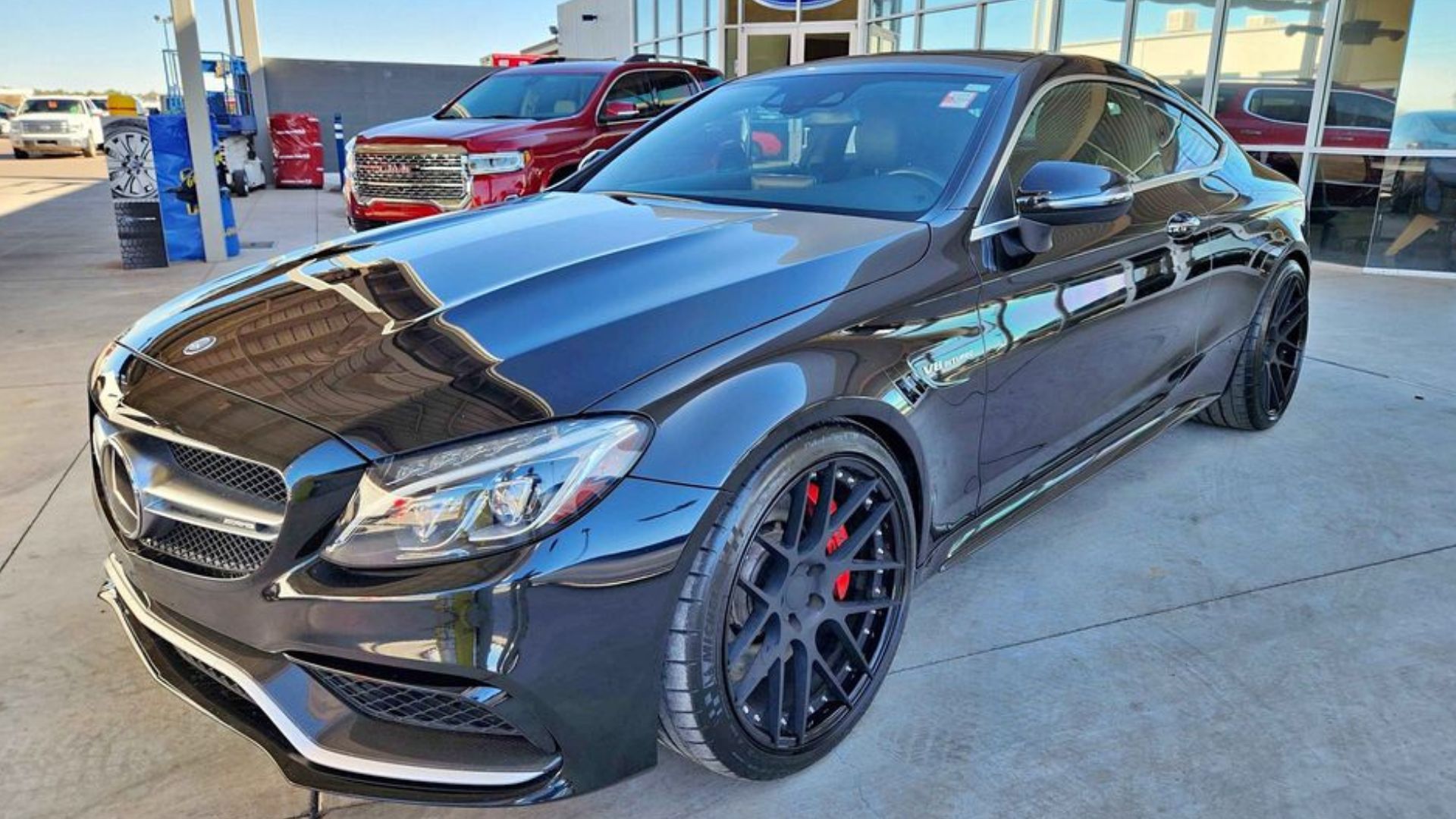
The extraordinary vehicle price inflation of the past two years is deflating, and S&P Global Mobility data suggests the pace of normalization will accelerate as automakers begin reintroducing the incentive programs and marketing spend they pulled back during the shortage period.
Used vehicle prices have been declining from their peaks for several months now — the Manheim Used Vehicle Value Index has been moving consistently downward since mid-2022. The correction is most visible in the models that were most dramatically overpriced at the height of the shortage: certain trucks and SUVs that were selling $10,000 to $20,000 above MSRP are now available at or below list price in most markets. Buyers who have been waiting have meaningfully better options than they did 12 months ago.

The new vehicle market is also shifting. As inventory has recovered, dealers are losing the leverage that allowed them to demand above-MSRP pricing on most popular models. Incentives — cash back, subsidized financing, loyalty programs — that disappeared during the shortage are returning on certain models, though not yet at the levels seen before the pandemic. Automakers have been deliberate about not flooding the market too quickly, having recognized that the higher-price, lower-incentive environment was extremely profitable for them.
The question isn’t whether prices will normalize — they’re already doing so — but how far and how fast. Vehicles are unlikely to return to 2019 prices in nominal terms given the combination of inflation in manufacturing costs, materials, and labor that has occurred since then. But the era of dealers telling buyers to take it or leave it, and buyers having no negotiating power, appears to be ending. The power dynamic in the showroom is shifting back toward buyers.