
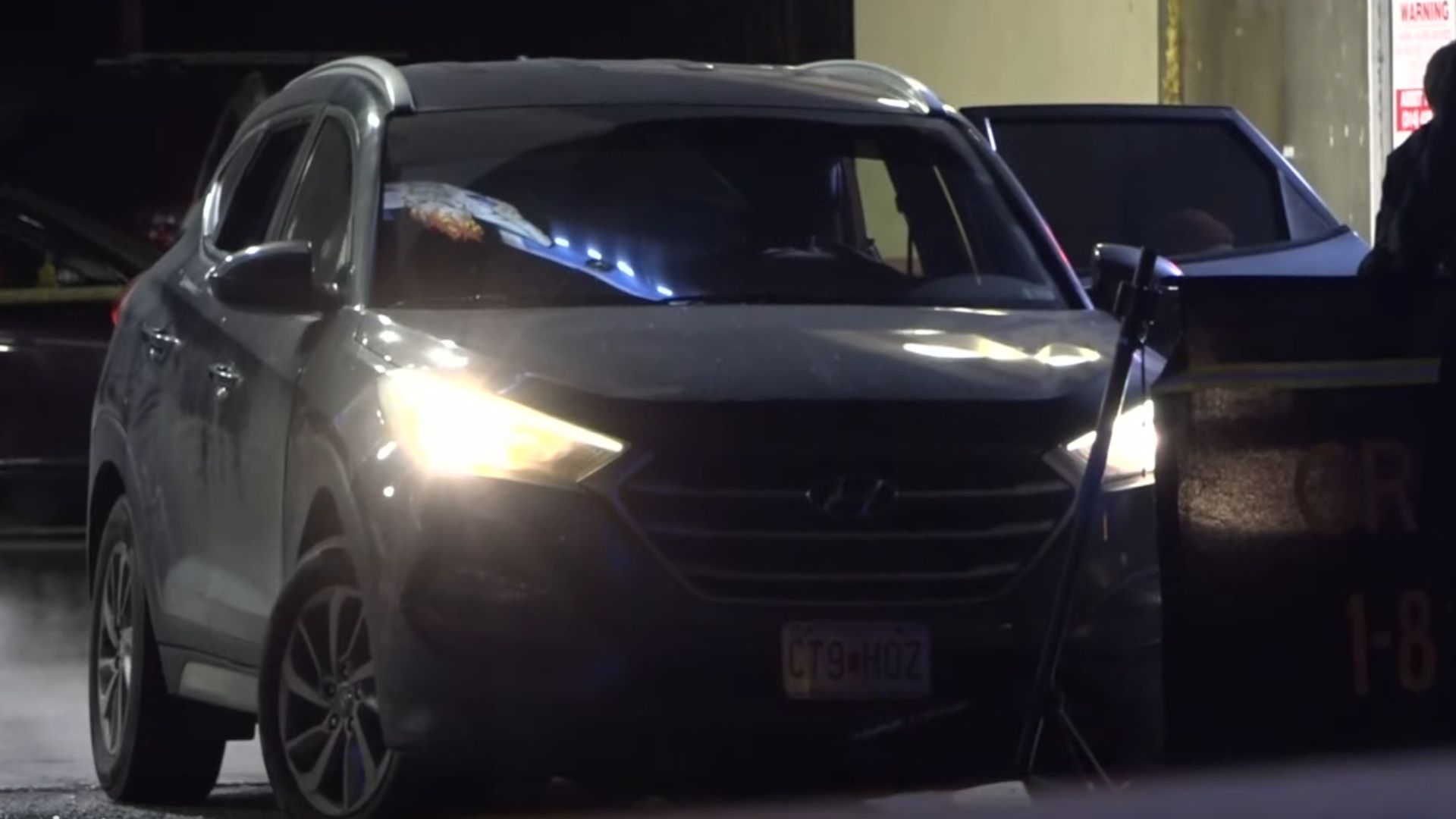
A vehicle theft in St. Louis County ended in a fatality when the car’s owner confronted the thief and the situation escalated — with additional bystanders caught in the crossfire. It’s a disturbing story with multiple dimensions worth understanding.
According to local reports, a woman’s car was stolen and she tracked or located the thief and confronted him. The confrontation turned deadly, with the thief being killed, but the circumstances also resulted in bystanders being injured — a complication that distinguishes this case from a straightforward self-defense scenario and raises serious legal and ethical questions about the decision to escalate a property theft confrontation.
Legal experts and law enforcement consistently advise against pursuing or confronting vehicle thieves for precisely these reasons. A stolen car is a property crime. The risks of direct confrontation — including harm to uninvolved third parties — can turn a property loss into a far more serious situation with criminal, civil, and human consequences that outweigh the vehicle’s value many times over. This case illustrates that dynamic in the starkest possible terms.
The prevalence of vehicle tracking technology — factory-installed GPS, aftermarket trackers, Apple AirTags — has made it significantly easier for owners to locate stolen vehicles. That capability is genuinely useful for directing police to a vehicle’s location. It becomes dangerous when it leads owners to take direct action rather than reporting the location to law enforcement and letting trained officers handle the recovery.
The correct response when you locate a stolen vehicle is to call police and provide the location information. This is not a situation where the legal right to recover your property and the tactical wisdom of acting on it yourself are the same thing. This St. Louis story is an extreme example, but the underlying lesson is broadly applicable to anyone who has ever considered what they’d do if they could track down their stolen car.