
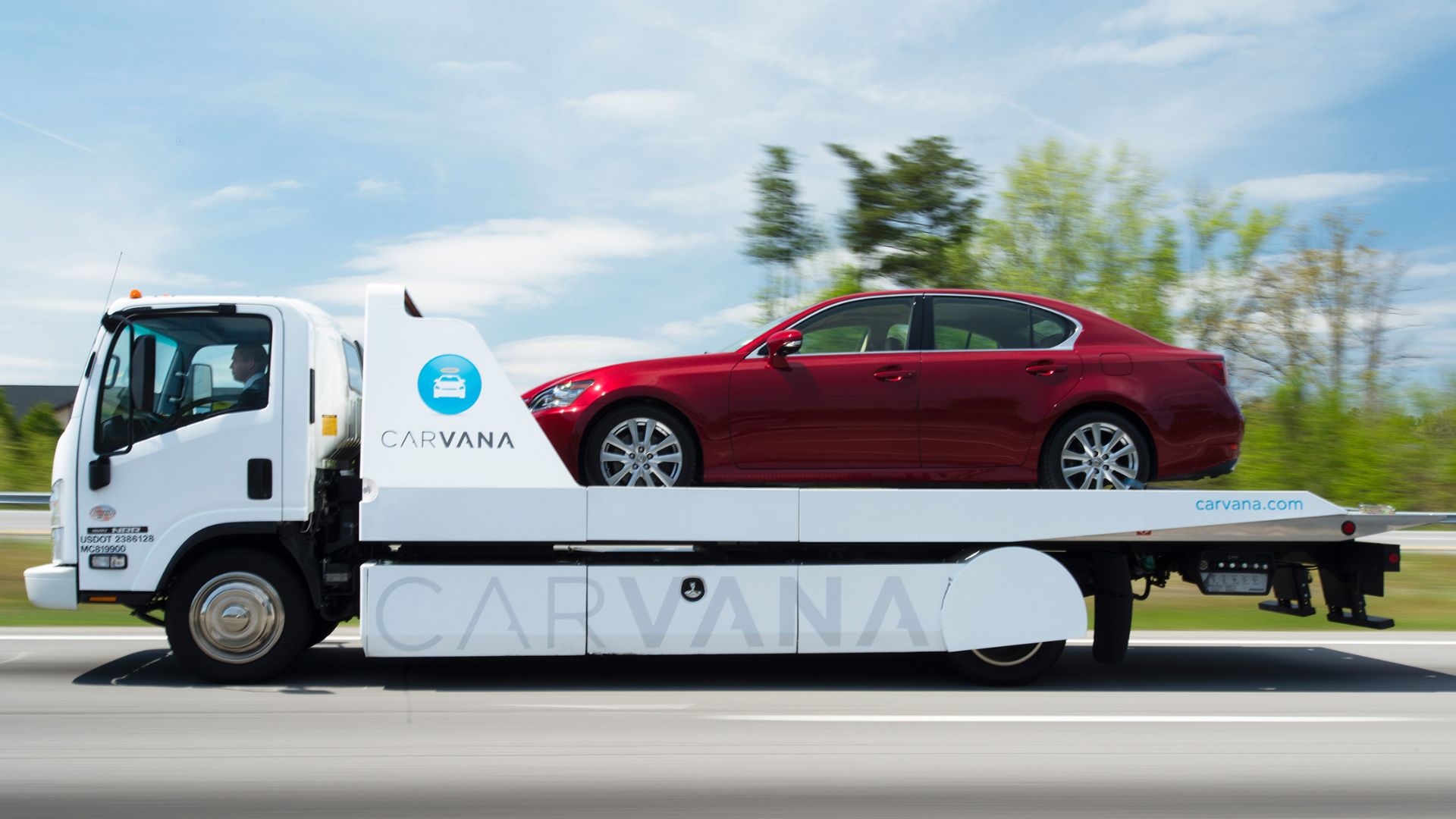
Carvana, the online-first used car retailer that built its business model on the premise that consumers preferred buying cars without visiting physical dealerships, has surprised the automotive industry by acquiring a Stellantis dealership — a move that represents a significant evolution in the company’s strategy. The acquisition suggests Carvana’s leadership has recognized that purely digital car retail has limitations and that maintaining some physical presence in the automotive ecosystem provides competitive advantages that the online-only model could not deliver. Industry observers are watching to see whether this signals a broader strategic shift or an opportunistic one-off transaction.
The irony of the company most identified with disrupting the traditional dealership model becoming a dealership owner has not been lost on automotive industry commentators. Carvana’s move could be interpreted as validation of the traditional dealership format’s ongoing relevance, or alternatively as evidence that Carvana sees an opportunity to reinvent the physical dealership experience using the brand and technological capabilities it has developed. Either way, the transaction represents a notable data point in the ongoing evolution of automotive retail.
Comments are closed.