
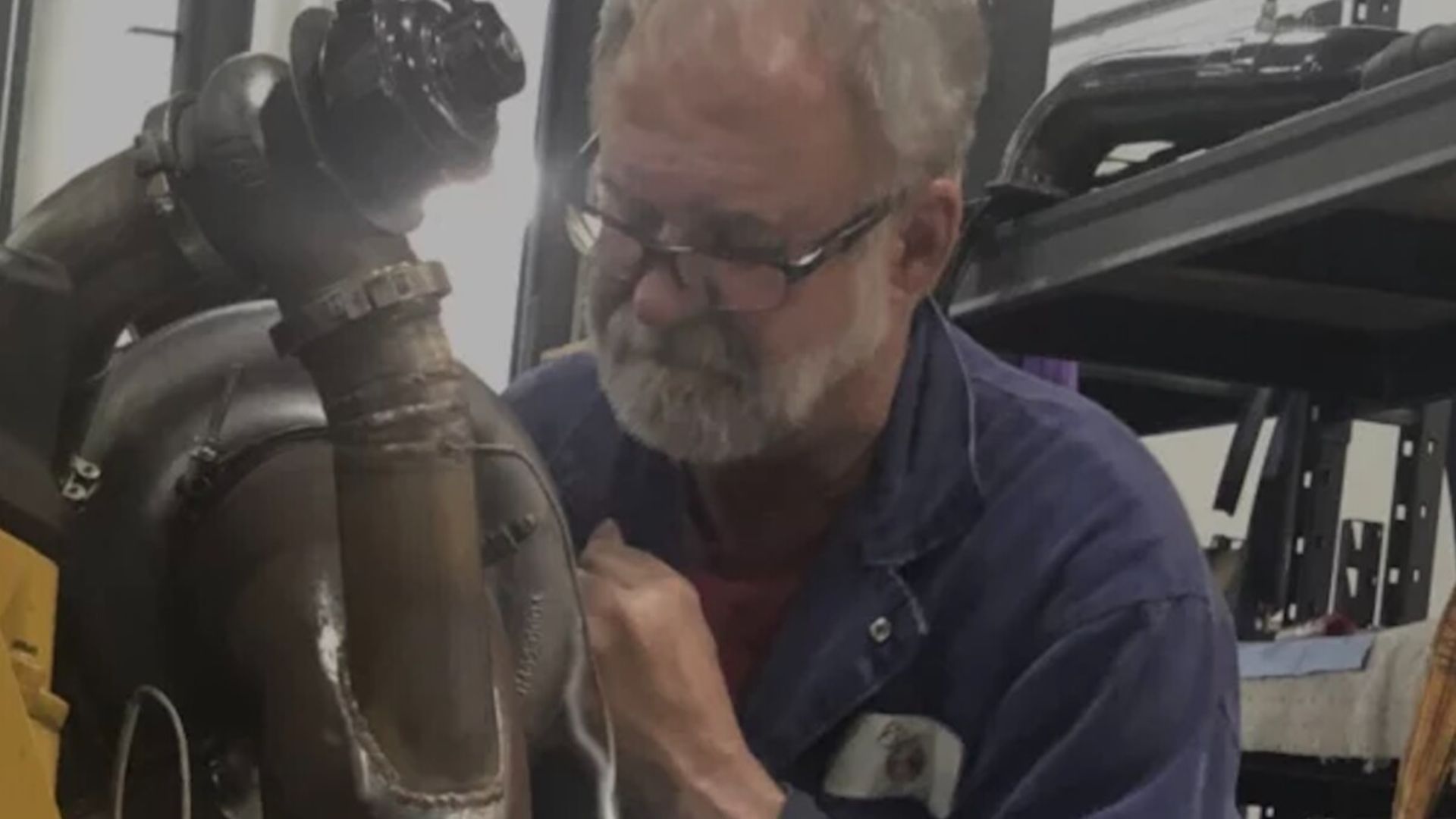
President Donald Trump has issued a full pardon to Troy Lake, a 65-year-old Wyoming diesel mechanic who was convicted of violating federal emissions laws after modifying pollution-control equipment on diesel engines. Lake had served seven months in federal prison before being transferred to home confinement earlier this year.
The Case Against Lake
Lake operated Elite Diesel Service near Cheyenne and pleaded guilty to charges tied to removing or altering emissions systems, commonly referred to as “deletes,” on diesel-powered vehicles. Federal prosecutors said Lake’s modifications allowed trucks to operate without required pollution-control components. He was sentenced to one year in prison and fined $52,000.
Political Pressure for a Pardon
The case drew national attention after Wyoming lawmakers argued Lake had been unfairly targeted by federal prosecutors. U.S. Senator Cynthia Lummis, a Wyoming Republican, publicly criticized the prosecution and personally petitioned Trump for clemency, describing the case as an example of federal overreach and calling the prior administration’s environmental enforcement approach “weaponized.”
A Six-Year Ordeal
Lake and his wife, Holly, described the pardon as an emotional resolution to an ordeal that began when EPA agents raided their shop in 2018, though charges were not filed until 2022. The couple said the lengthy investigation significantly disrupted their lives and livelihood. Lake said he broke down upon learning of the pardon, while Holly recalled pulling over on I-25 in tears after hearing the news, saying, “These are the first tears I’ve shed since it started.”
New Legislation Inspired by the Case
The case has since inspired proposed legislation. Lummis introduced the Diesel Truck Liberation Act, a bill that would significantly limit federal authority over vehicle emissions enforcement, including eliminating the EPA’s ability to prosecute individuals for emissions tampering, vacating existing sentences, and expunging records for those convicted under federal emissions-tampering statutes. Supporters argue the bill would protect small diesel shops, particularly in rural areas where emissions-related vehicle failures can sideline essential equipment like school buses, fire trucks, and farm machinery. Critics counter that the legislation would weaken key provisions of the Clean Air Act.
Lake’s Reaction
Lake said he hopes to use his experience to advocate for a more balanced approach to emissions enforcement. “I hope we can find a more logical way to do this,” Lake said. “Something that doesn’t put people out of work.” The pardon brings formal closure to a case that became a rallying point in Wyoming and a broader symbol in debates over federal regulatory power and environmental enforcement.