 By Shawn Henry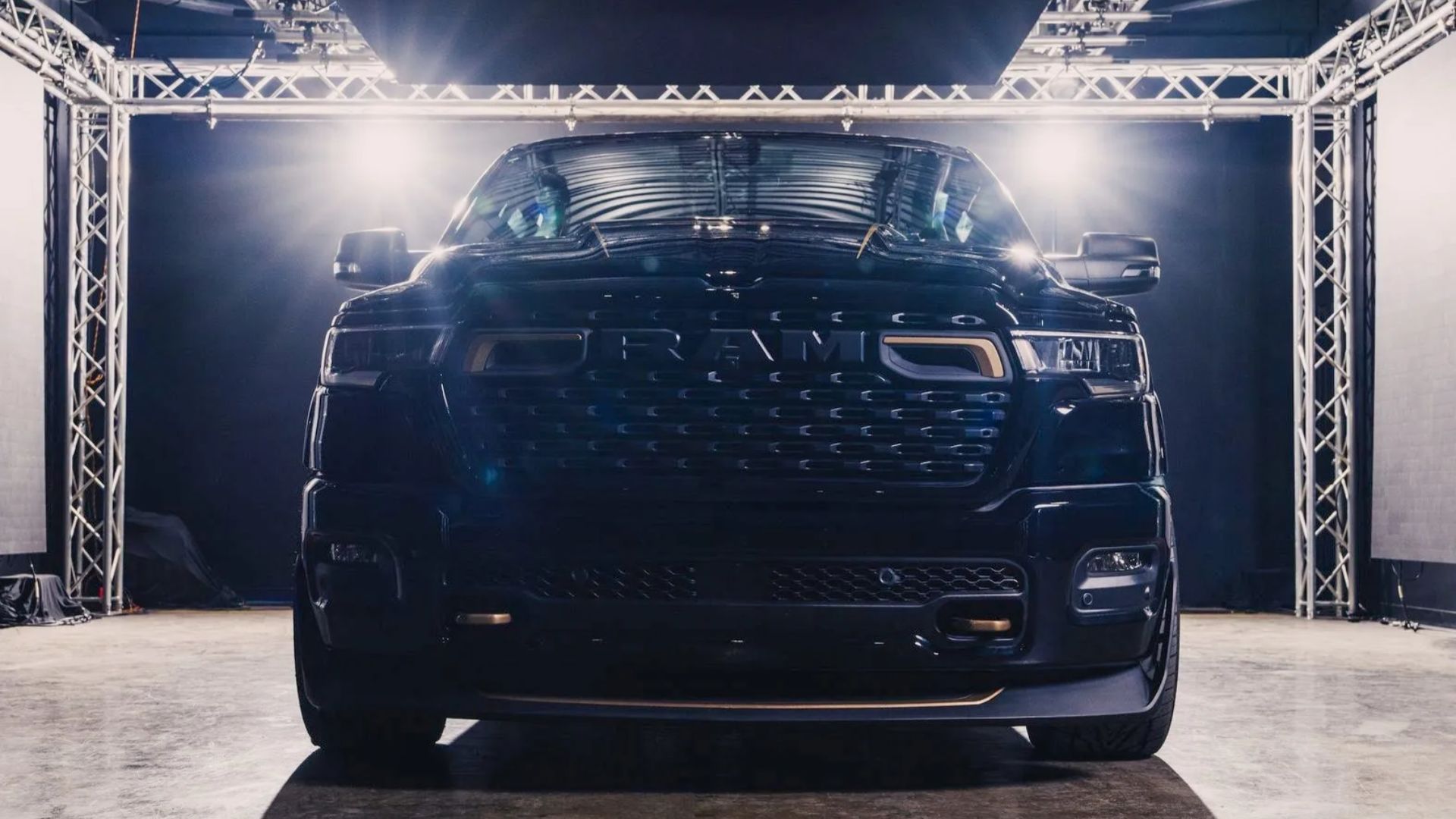
Ram is bringing back its loudest, most powerful trucks, even as its chief executive openly acknowledges that the future of the auto industry is electric. The return of the Hemi V8 and the resurrection of the Hellcat-powered Ram TRX signal a renewed embrace of internal combustion at the brand, but leadership says those engines are living on borrowed time.
Ram CEO Tim Kuniskis, a longtime performance advocate who grew up around drag racing, has made clear that electrification is not the enemy. He views electric vehicles as the eventual successor to gasoline power, much like automobiles once replaced horse-drawn transportation. In his view, the shift will happen because electric technology ultimately proves better, not because it is mandated on an aggressive schedule.
Where Kuniskis draws a line is in how quickly that transition has been pushed. He has criticized the recent industry-wide rush toward full electrification, arguing that automakers attempted to move faster than buyers, infrastructure, and real-world use cases were ready to support. While he does not dispute the potential of electric drivetrains, he believes timing matters just as much as technology.
That philosophy helps explain Ram’s uneven electric truck strategy. The automaker unveiled the all-electric Ram Rev in 2023 but never brought it to market. After multiple delays, the project was canceled in 2025. At the same time, Ram had announced a range-extended electric truck originally called the Ramcharger. After the Rev was dropped, Ram reassigned the Rev name to the range-extended model, which is now projected to launch in 2026.
Meanwhile, traditional powertrains remain central to Ram’s short-term plans. The revived TRX and the return of the Hemi V8 have been framed as statements as much as products. Kuniskis has suggested their lifespan depends largely on regulatory direction, pointing to shifting federal emissions policy as a key variable.
Underlying all of it is what Kuniskis describes as the emotional engine of the car business. He argues that the industry depends on excitement and passion to keep buyers cycling through new vehicles every few years, even as loans stretch longer. If customers lose enthusiasm because vehicles no longer meet their needs or expectations, overall sales could shrink dramatically.
For now, Ram’s strategy is to balance both worlds: keep performance fans engaged today while preparing for an electric future tomorrow. The goal, according to Kuniskis, is simple—keep the industry’s momentum alive until consumers are ready to pull it forward themselves.
 John Lloyd
  Eve Nowell