
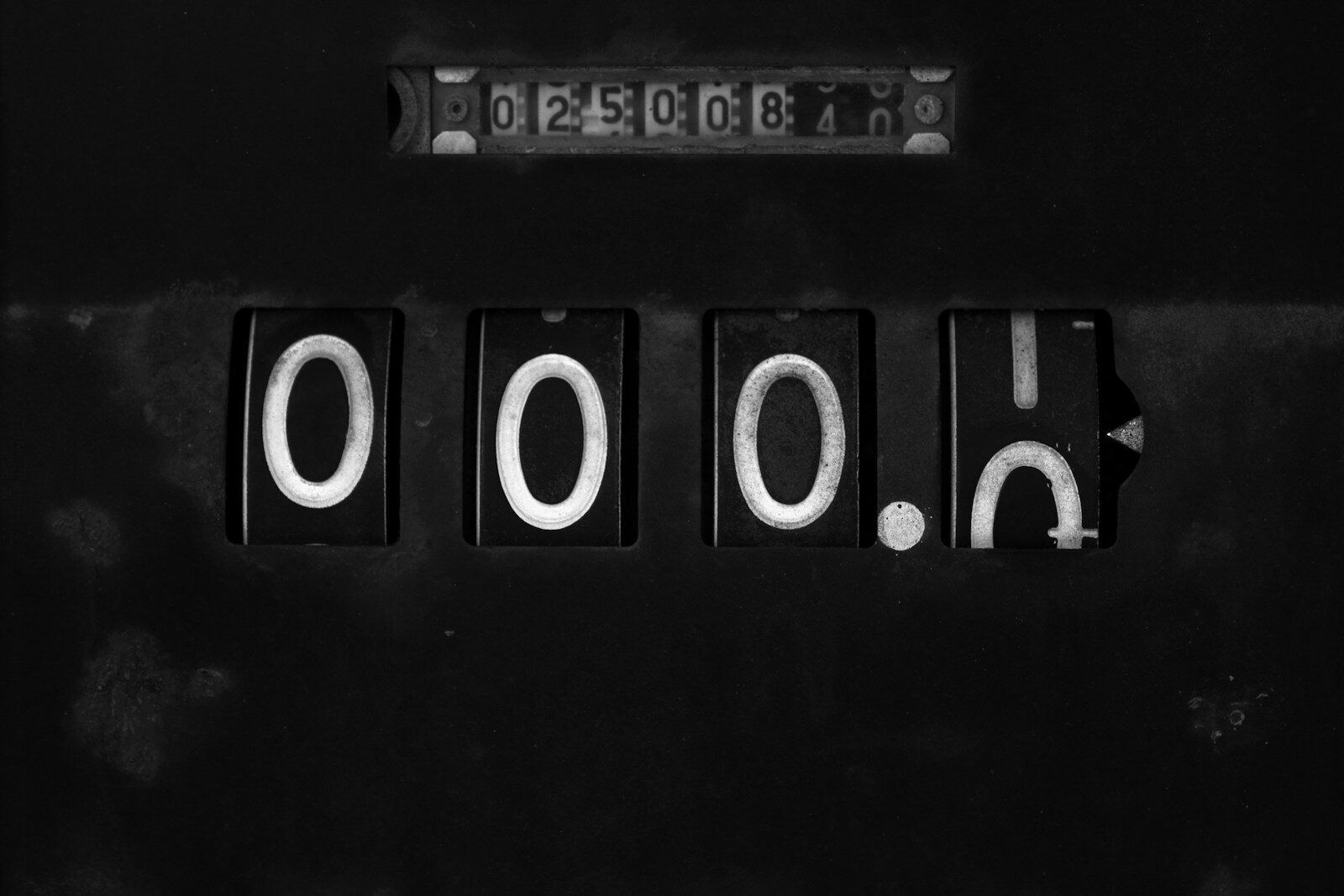
A 79,000-mile discrepancy on a $6,400 truck was enough to unravel what investigators say became a pattern spanning multiple vehicles sold by one Peachtree Corners dealership — and it started because a mechanic happened to notice the numbers didn’t add up on day two of ownership.
The Honda Ridgeline That Started It All
A Gwinnett County buyer and her mother purchased a 2013 Honda Ridgeline listed on Facebook Marketplace with 153,000 miles for $6,400. A day later, the truck’s check engine light came on, and a mechanic inspecting two faulty catalytic converters pulled a vehicle history report showing the Ridgeline had previously recorded 232,000 miles — a gap the family used to demand, and receive, a full refund from dealer Dennis Lewis, owner of DeDe Auto Brokers.
How One Refund Became a Pattern
A television news investigation followed up by examining other vehicles listed by the dealership and found more of the same: a 2006 Lexus RX advertised with 155,000 miles despite history records showing 232,000 miles on the odometer previously. That discovery prompted Gwinnett County Police Detective Toran Huff to open a formal inquiry, during which investigators reportedly heard from several buyers who described the same experience — discovering mileage discrepancies only after their purchases were already complete, with none reporting that any rollback had been disclosed during the sale.
The Records That Were Never Produced
Investigators gave Lewis two months to produce sales records and business documentation tied to the vehicles under review. According to police, those records were never turned over despite multiple requests — a failure to produce documentation that became a separate charge in its own right, alongside the alleged odometer fraud and false advertising counts.
The Buyer Who Kept the Car — and Kept Pushing
One buyer, identified as Groneman, stumbled onto the investigation after noticing his temporary tag had expired and searching for information about the dealership, only to recognize his own vehicle described in the news report. He filed a police report, and when Lewis later offered him a refund, Groneman turned it down — choosing to keep the car and continue cooperating with investigators instead, saying he wanted the case to proceed so other buyers wouldn’t run into the same problem.
Based on the evidence gathered from Groneman and other buyers, police obtained an arrest warrant, and Lewis surrendered to authorities last week. Jail officials haven’t confirmed whether he’s posted bond, and the case remains an active investigation with the charges representing allegations that have not yet been proven in court.
How to Avoid Being the Next Buyer in This Story
Odometer fraud persists precisely because mileage drives so much of a used vehicle’s perceived value and reliability — misrepresenting it can leave buyers overpaying for a car that needs major repairs far sooner than expected. A few basic steps can catch it before money changes hands: pull an independent vehicle history report using the VIN, check emissions inspection records for mileage entries that don’t match the odometer, and have a mechanic scan the car’s computer system, which often retains stored mileage data that can expose a rollback even when the dashboard reading looks clean.