
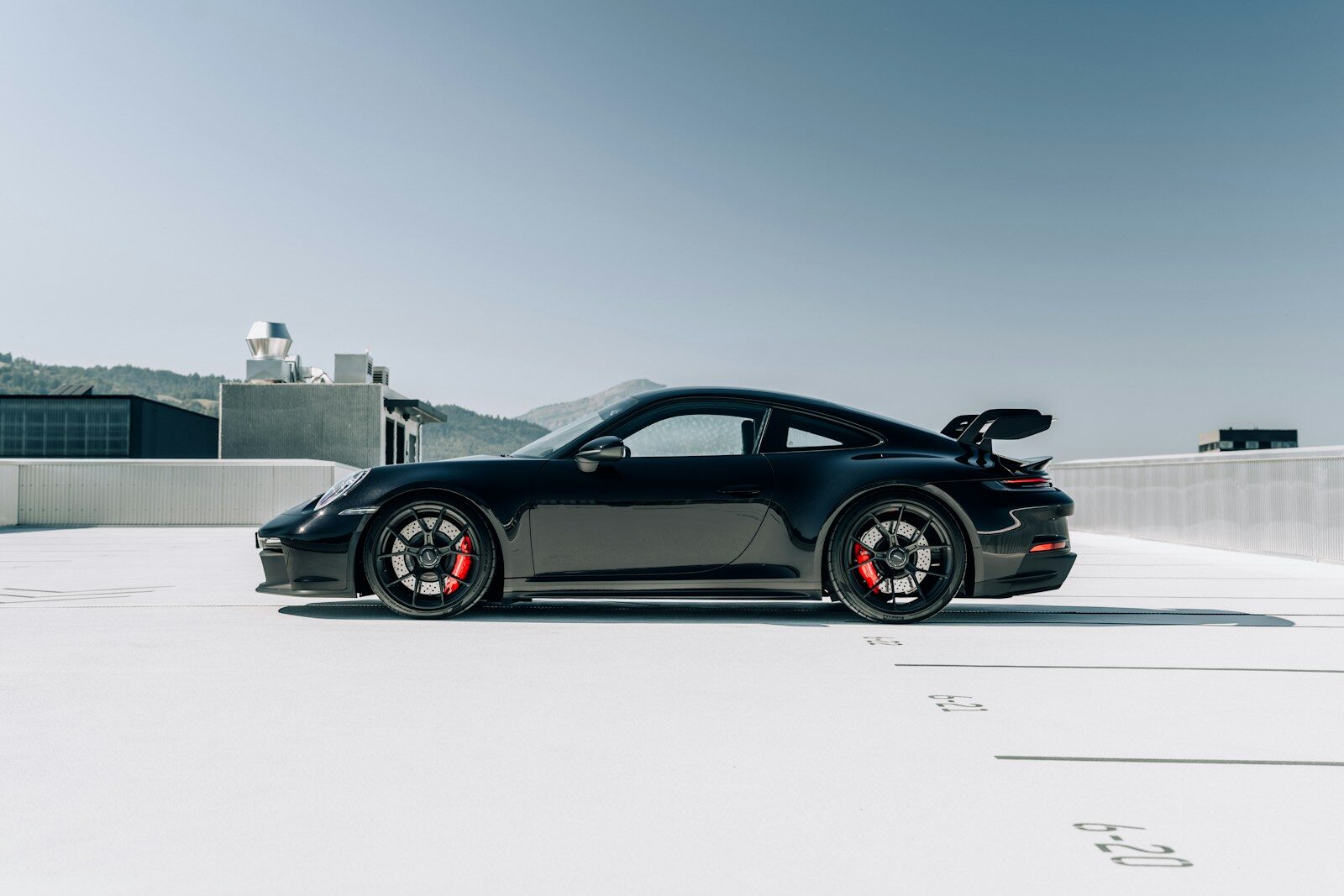
Dealership staff told Abdul Azizi the window sticker was simply missing. It wasn’t — it was sitting in the glovebox the whole time, and according to his lawsuit against Porsche Cars North America, it carried a label that should have stopped the sale before it ever happened: “not for sale.”
A “New” GT3 With 34 Miles — and a Hidden Past
According to court filings in Seminole County Circuit Court, Azizi bought a 2022 Porsche 911 GT3 showing just 34 miles from Porsche Warrington in Pennsylvania for $281,940, sold to him as new. Dealership staff reportedly told him the car had only been used for display and limited marketing demonstrations. His lawsuit alleges the real story was far different: the GT3 had been allocated to the Porsche Technology Apprenticeship Program, where it was allegedly used to train future service technicians — a process that typically involves repeatedly disassembling and reassembling major components.
How the Electrical Problems Led Back to the Training Program
The alleged prior life started showing up mechanically. After the GT3 developed significant electrical problems, a Porsche-certified technician inspecting the car reportedly found signs consistent with prior disassembly work. A second opinion at another Porsche service center went further, according to the complaint, finding that a section of the car’s undercarriage had been removed at some point and reinstalled incorrectly. By early 2025, Azizi says he’d stopped driving the car entirely, with it spending long stretches out of service as technicians tried to chase down the issues.
The Window Sticker That Changed the Case
The most striking allegation in the suit isn’t the mechanical history — it’s what Azizi says he found after taking delivery. Initially told the car simply didn’t come with a Monroney label (the window sticker listing pricing, options, and vehicle details), Azizi says he later discovered the original sticker in the glovebox, marked as a Porsche Cars North America vehicle explicitly designated “not for sale.” If accurate, that detail raises the question of whether internal allocation controls were bypassed to route a training vehicle into a retail sale in the first place.
Why the Lemon Law Ruling Didn’t End the Dispute
Azizi pursued Florida’s Lemon Law process, designed for newly purchased vehicles with defects that can’t be resolved through standard warranty repairs, and secured a ruling in his favor. But the arbitration award reportedly didn’t cover sales tax or finance charges tied to the nearly $282,000 purchase, which is why Azizi is now appealing that outcome while simultaneously pursuing broader claims against both Porsche Cars North America and the dealership.
What’s at Stake for a Car Built on Scarcity
The 911 GT3 is one of Porsche’s most track-focused models, produced in limited numbers and delivered through tightly controlled dealer allocations — buyers paying close to $300,000 generally expect a documented, factory-new ownership history as part of that exclusivity. The lawsuit argues that expectation wasn’t met here, and the case, still active in Florida’s Seminole County Circuit Court, now centers on a fairly direct question: whether a car built for training technicians should ever have reached a retail buyer as new in the first place.