 By Shawn Henry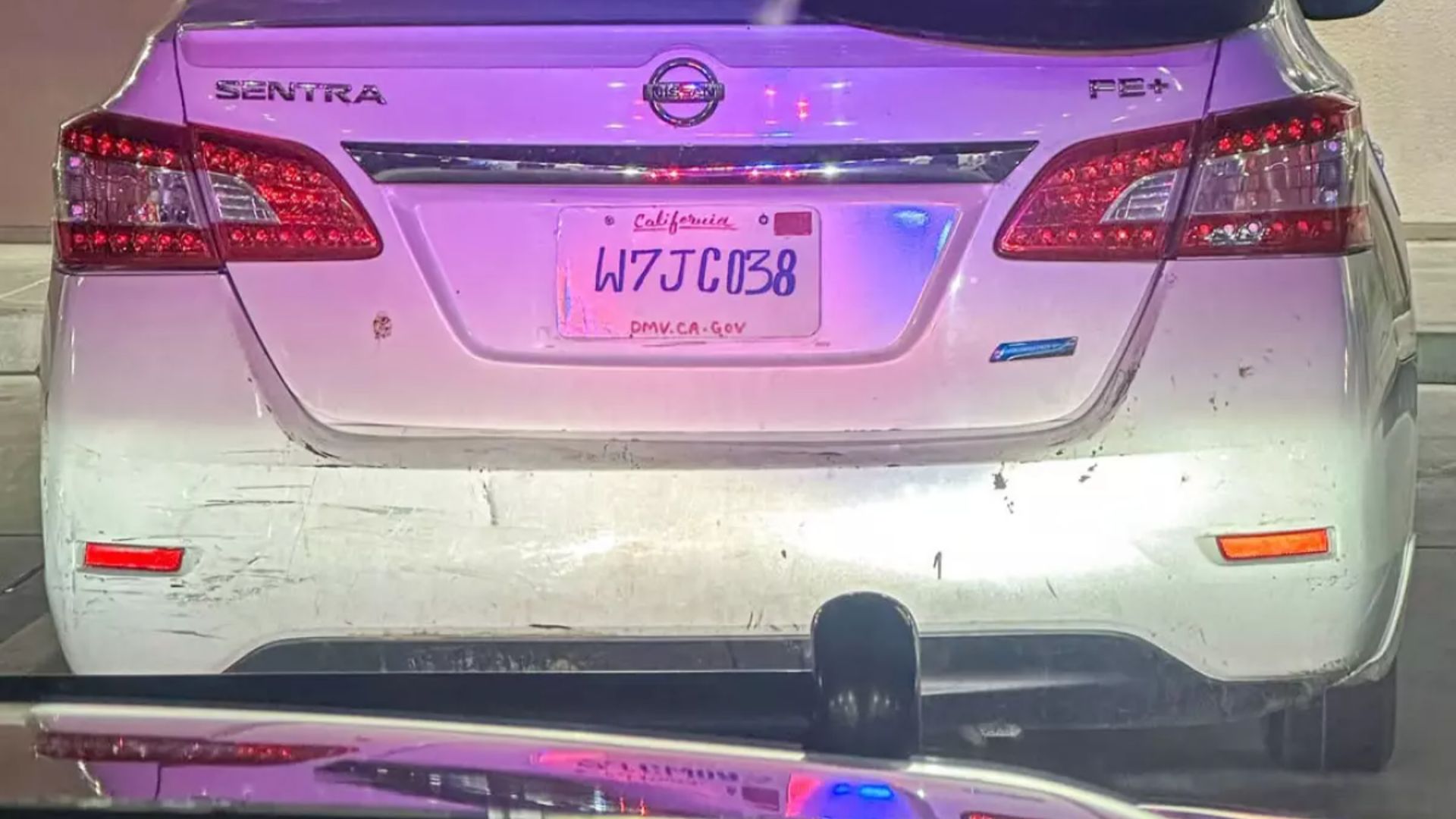
Texas officials replaced temporary paper license plates with permanent metal ones in an effort to curb widespread fraud, but law enforcement now says criminals have adapted quickly, making the counterfeit plates harder to spot and the problem just as persistent.
Several years ago, the state faced an explosion of fake paper tags that were easily printed and widely used on unregistered or stolen vehicles. Those tags appeared on cars involved in everything from registration avoidance to serious criminal activity. In response, Texas moved to metal plates, believing they would be more difficult to forge and easier to track.
Instead, criminals began using counterfeit metal plates enhanced with simple overlays and stickers. Law enforcement agencies in Central Texas report the practice has become common enough that stolen vehicles with fake plates are now being discovered almost weekly during routine title and registration checks.
According to the Heart of Texas Auto Theft Task Force, suspects are either selling stolen vehicles with counterfeit plates already installed or attaching the fake plates to avoid detection while driving. At first glance, the plates can appear legitimate, particularly to untrained eyes.
Closer inspection often reveals inconsistencies. Officers say signs include visible sticker edges, registration decals that do not match the plate, or authentic stolen plates concealed underneath the counterfeit ones. When scanned through license plate readers, the numbers frequently return information for an entirely different vehicle, immediately raising red flags for investigators.
The issue has created safety concerns for officers who rely on accurate plate data during traffic stops. It has also disrupted automated systems, including toll road billing and license plate reader networks, which depend on correct vehicle identification.
The problem extends beyond law enforcement. Authorities say everyday buyers are sometimes unknowingly purchasing stolen vehicles equipped with these realistic fake plates. Many victims only discover the issue when attempting to register the car, at which point tax offices identify fraudulent titles or decals. By then, sellers are often unreachable, transactions were conducted in cash, and buyers are left without a vehicle or reimbursement.
Police urge consumers to approach unusually cheap or rushed vehicle sales with caution. Officials recommend examining license plates as carefully as the vehicle itself, noting that inconsistencies may signal a stolen car or a counterfeit plate.
As criminals continue adjusting their tactics, Texas law enforcement agencies say the situation has become an ongoing game of adaptation, requiring constant vigilance from officers and buyers alike.
 John Lloyd