
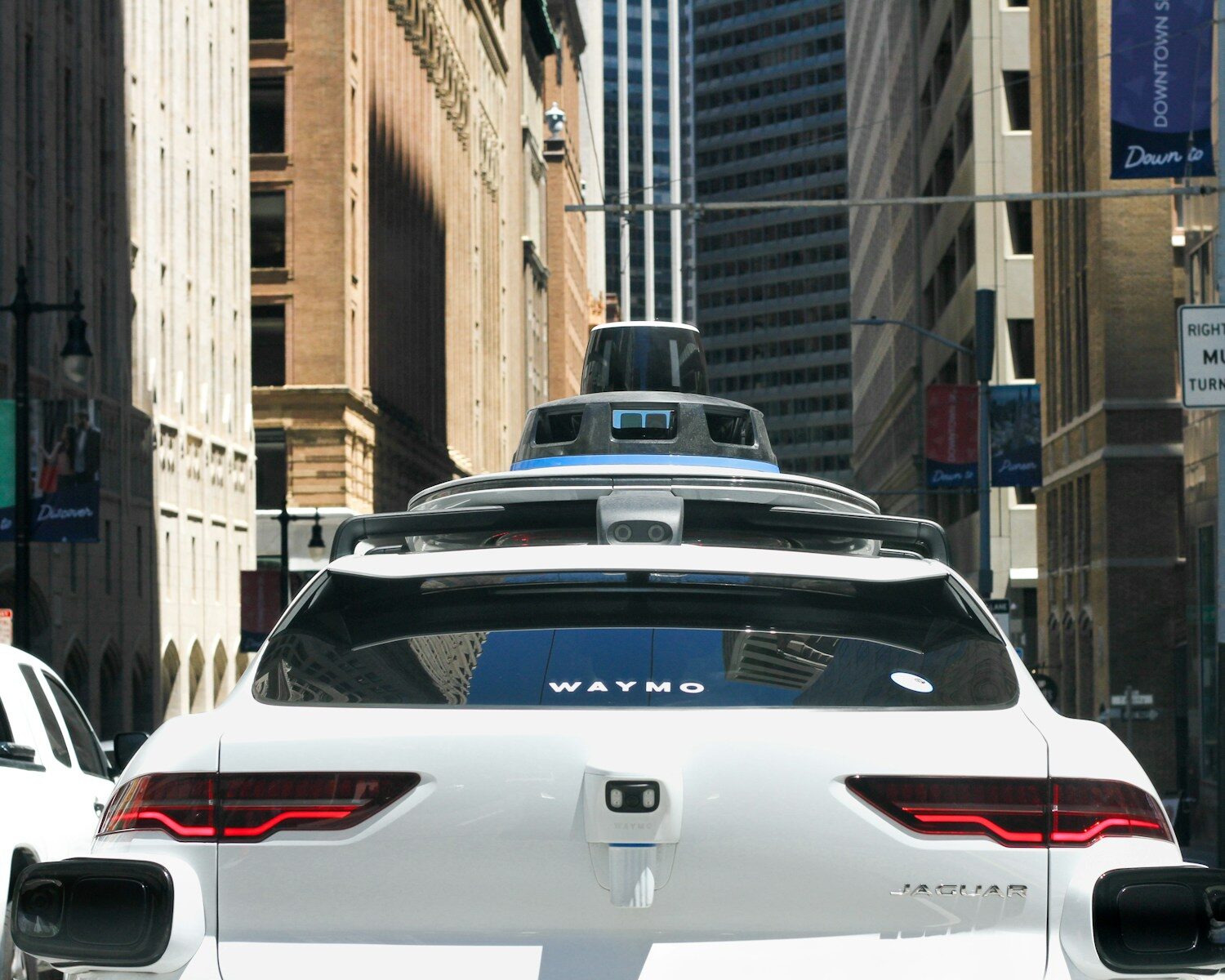
A viral video showing a Waymo robotaxi attempting to cross eight lanes of traffic has reignited a debate the auto industry and tech world have been trying to settle for years: are fully autonomous cars actually ready for real-world roads?
The footage, filmed inside a driverless Waymo ride in Phoenix, shows passengers reacting in alarm as the vehicle creeps forward to make a left turn across a massive intersection. The maneuver appeared to put the car directly in the path of oncoming traffic, forcing another driver to slow down to avoid what could have been a serious collision.
No crash happened, but the tense moment spread online fast, raising fresh questions about how autonomous systems actually make decisions in complex traffic. For companies pushing driverless technology as the future of transportation, the clip became one more uncomfortable reminder that the road to full autonomy still has plenty of unpredictable stretches left.
Inside the Ride When Things Got Tense
The incident became public once passengers recorded the moment from inside the robotaxi and posted it online. The vehicle was operating in Phoenix, one of Waymo’s primary cities for fully driverless ride-hailing. During the ride, the car approached a wide intersection and attempted a left turn that required crossing eight lanes of traffic. As it slowly advanced, passengers inside began to realize the maneuver might put them directly in front of approaching vehicles, and their reaction was immediate alarm.
The footage captures passengers shouting as the car kept creeping forward while cross-traffic moved through the intersection. One approaching vehicle ultimately slowed down, preventing what could have been a severe side-impact crash. The moment underscores one of the most unsettling parts of driverless ride-hailing: when something unexpected happens, there’s no human driver in the car to intervene.
How the Waymo System Actually Works
Waymo, a subsidiary of Alphabet Inc., positions itself as one of the leading developers of fully autonomous vehicle technology, running commercial driverless rides in several U.S. cities through its Waymo One service. There’s no human controlling the wheel in these vehicles at all. The system relies entirely on what the company calls the Waymo Driver, a network of sensors, cameras, radar, and lidar that feeds real-time data to software making constant decisions about steering, braking, and navigation.
In theory, that setup should let the vehicle monitor its surroundings continuously and react faster than a human ever could. The Phoenix incident is a clear example of how difficult real-world driving situations remain for even a well-engineered automated system.
Where Algorithms and Real Traffic Collide
Intersections are among the most complex environments any driver faces, human or otherwise. Multiple lanes, unpredictable behavior from other drivers, and split-second decisions make them genuinely difficult even for experienced motorists. For an autonomous system, that means interpreting enormous amounts of data while predicting how surrounding vehicles are going to behave in real time.
In the Phoenix case, the robotaxi attempted to cross all eight lanes while other vehicles were actively moving through the intersection, suggesting the system calculated it had enough time and space to complete the turn safely. From inside the cabin, though, the decision looked dangerously close to a disaster. That gap between machine judgment and human perception remains one of the biggest hurdles standing between autonomous technology and genuine public trust.
This Isn’t the First Viral Waymo Moment
The Phoenix clip is far from the first time a Waymo vehicle has drawn attention for unusual behavior. As the company expands driverless operations into more cities, incidents involving its vehicles keep getting recorded and shared. In San Francisco, riders previously reported a Waymo swerving into oncoming traffic mid-ride, a clip that also circulated widely and left passengers shaken.
Other cases have involved operational glitches rather than near misses. Reports in 2025 described Waymo vehicles driving the wrong way on certain streets, stopping unexpectedly in the middle of the road, or getting stuck in odd spots like drive-through lanes, with some passengers saying they were briefly unable to exit until the system unlocked the doors. Another high-profile case in Austin involved a robotaxi blocking an ambulance responding to a shooting scene until authorities managed to move the vehicle. Each incident adds more fuel to the ongoing debate over whether autonomous ride-hailing is actually ready for widespread deployment.
The Case Tech Companies Make for Safety
Despite the viral moments, Waymo and other developers maintain that autonomous vehicles are improving road safety overall. The company has published research suggesting its vehicles experience far fewer injury-causing crashes than human-driven cars, with studies analyzing millions of miles of autonomous driving data pointing to notably lower rates of property damage and injury claims compared to typical drivers.
Supporters argue that removing human error, distraction, fatigue, and impairment from the equation could eventually save thousands of lives a year, and with radar, lidar, and cameras constantly scanning every direction, automated vehicles can theoretically catch hazards a human driver might simply miss. From a pure technology standpoint, that’s a genuine advantage.
Why Critics Say Real Roads Are a Different Story
Critics counter that the real world is far messier than a controlled testing environment. City streets bring unpredictable behavior from pedestrians, cyclists, and other drivers, and even experienced humans sometimes struggle to read the intentions of the people around them. When an autonomous system misjudges one of those moments, the results can be genuinely unsettling, which is exactly what the Phoenix intersection incident illustrates. The vehicle may have calculated the maneuver as safe on paper, but the people inside felt like they were moments from being hit. That disconnect between machine confidence and human instinct remains one of the biggest barriers to public trust in this technology.
Regulators Are Paying Attention
Incidents like the Phoenix near-miss are drawing more scrutiny from regulators. Federal safety authorities have already opened investigations into similar situations involving autonomous vehicles, examining how these systems behave in unpredictable traffic scenarios and whether more oversight is warranted. For companies developing self-driving technology, those investigations could directly shape how fast autonomous vehicles are allowed to expand into new markets, and the stakes are enormous given how many billions have already been poured into driverless technology development.
What This Means for the Future of Driving
For enthusiasts and everyday drivers alike, the rise of autonomous vehicles raises an unavoidable question. Driving has always been a deeply human activity built on judgment, instinct, and experience, and handing those decisions over to software is a massive shift in how transportation actually works. The Phoenix video captures just how uneasy that transition can feel when things don’t go perfectly.
The technology may well deliver safer roads eventually, but moments like this are a reminder that the path to that future is still very much unfolding. And every viral clip of a robotaxi making a questionable call puts the same uncomfortable question back in the spotlight: if the passengers inside are shouting in panic, is the system really ready to be the one in control?