 By Shawn Henry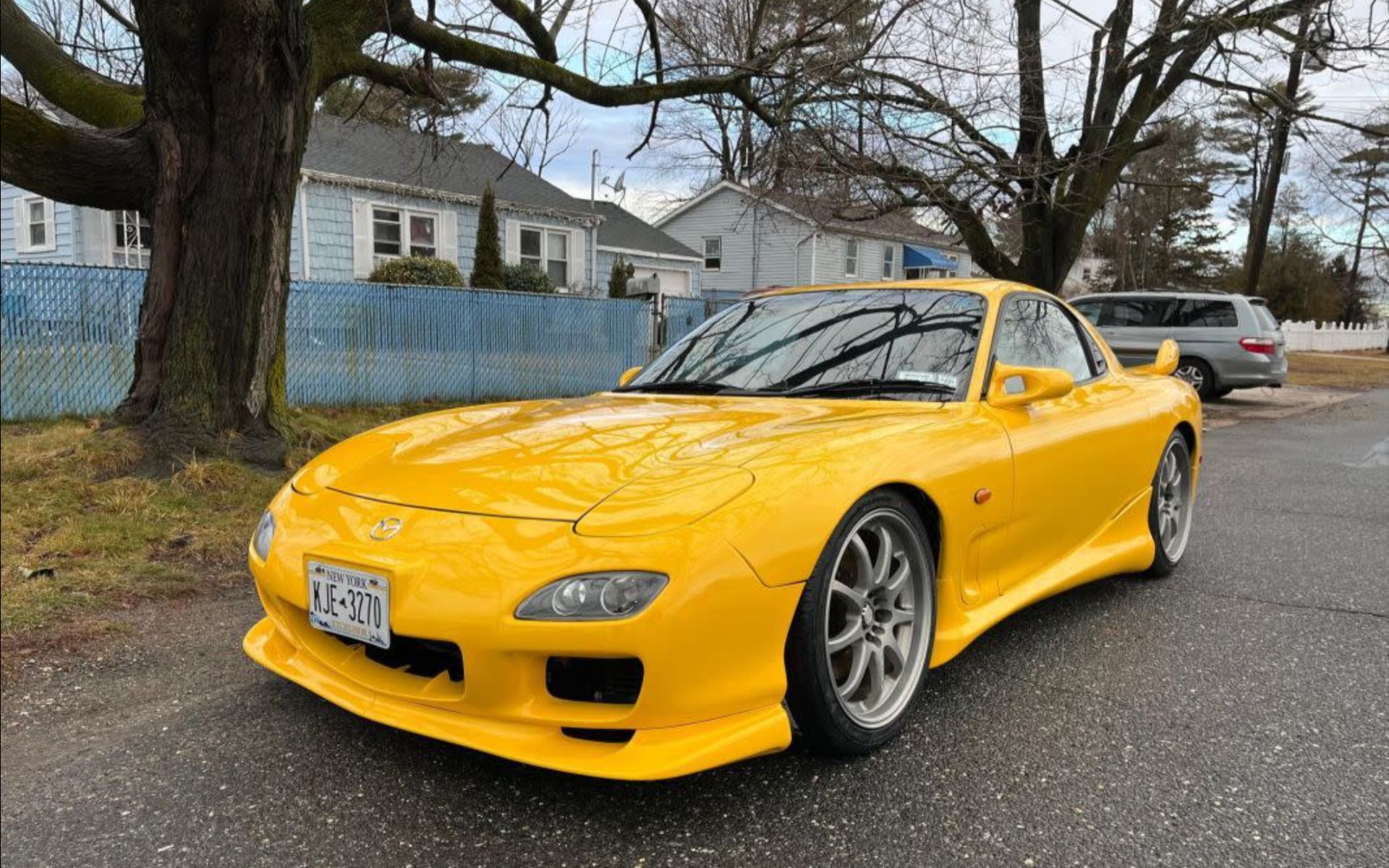
A recent online auction involving a late-1990s Mazda RX-7 is offering another clear snapshot of today’s overheated Japanese performance car market. A 1997 Mazda RX-7 Type RS-R 30th Anniversary Edition drew a top bid of $40,500 on Cars and Bids, yet still failed to meet its seller’s reserve, reinforcing how far expectations have climbed for once-attainable sports cars.
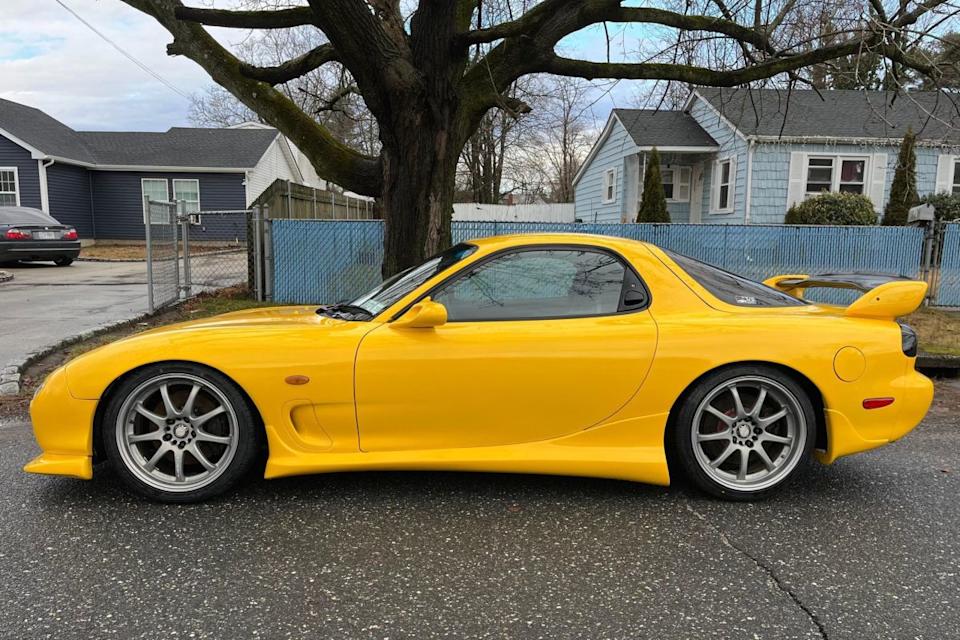
The third-generation RX-7, often praised for its rotary-powered balance and lightweight design, was never meant to occupy this financial territory. In the past, Japanese sports cars from the 1990s built their reputations on delivering performance bargains that rivaled European competitors. That value proposition has largely disappeared as nostalgia-driven demand continues to reshape the market.
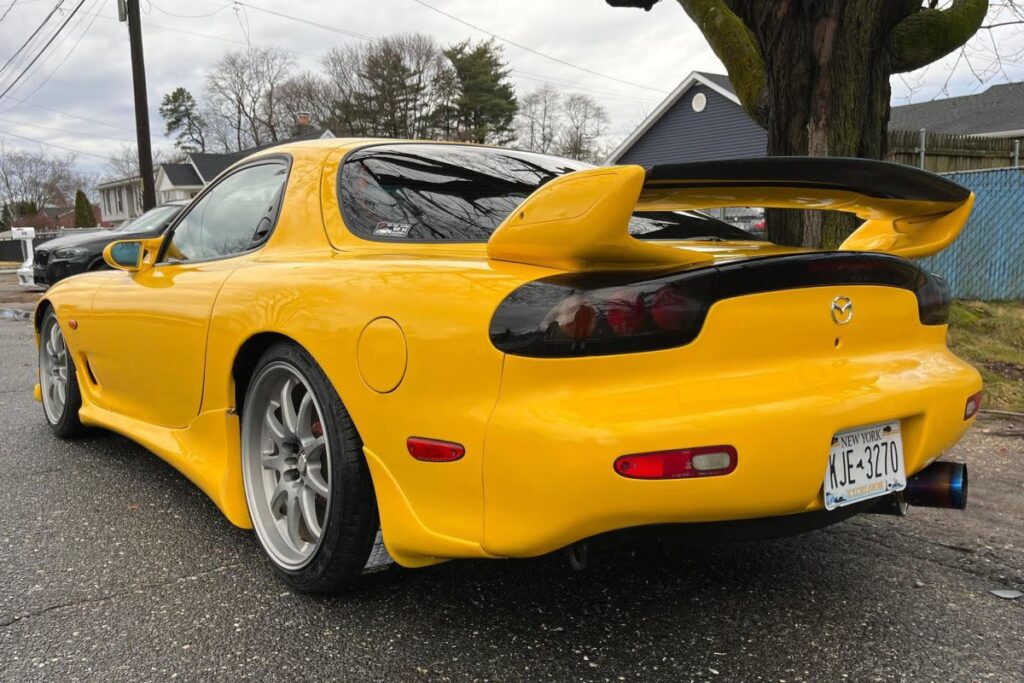
Market data suggests the bidding itself was not wildly out of step. According to Classic.com, the average sale price for FD-generation RX-7s now sits just above $41,000, with limited-production variants such as the RS-R 30th Anniversary Edition often trading in a similar range. This example also benefited from a U.S. title, visible modifications, and a desirable yellow finish, factors that tend to broaden buyer interest amid tightening import regulations.
Still, the car was far from a pristine collector piece. The RX-7 showed signs of wear, had been repainted, and raised questions regarding its mileage. While the listing cited 84,400 miles, auction users pointed to evidence suggesting total mileage may exceed 115,000. Even with those uncertainties, bidding pushed past $40,000 before stalling below the seller’s expectations.
The unsold RX-7 fits into a wider pattern. Average prices for other 1990s Japanese performance icons have climbed sharply, with R34 Nissan Skyline GT-Rs now averaging more than $134,000, Honda NSXs exceeding $80,000, and Mk4 Toyota Supras approaching six figures. Some standout sales have gone far beyond those benchmarks, reshaping perceptions of what is considered normal.
Against that backdrop, a $40,500 RX-7 can almost appear reasonable, despite being a three-decade-old car with known maintenance challenges. Comparisons to newer alternatives or multiple older performance cars only highlight the disconnect. The failed sale suggests that while enthusiasm remains strong, even today’s inflated market has limits. Whether those limits hold may depend on how long nostalgia continues to outweigh practicality in the JDM space.
Via Cars and Bids