 By Shawn Henry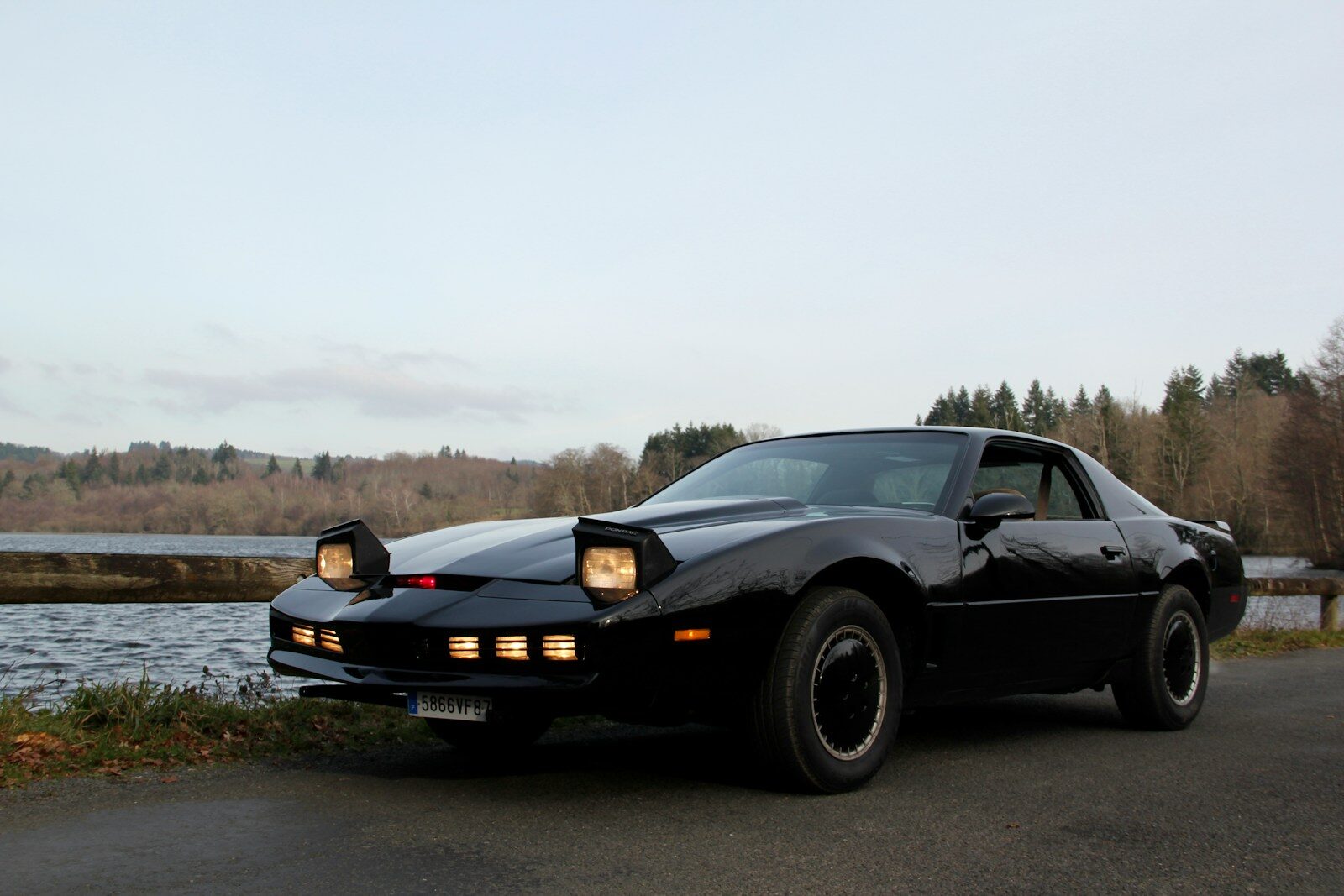
The Volo Museum in Illinois says one of its most recognizable display cars just got hit with a speeding ticket from New York City, and the situation sounds more like a bad tech glitch than an actual traffic violation.
More Stories Like This
- 140 MPH Chevy Malibu Chase Ends in Violent Highway Rollover After Driver Tries to Outrun Arkansas Trooper, Watch
- 14,000 SNAP Recipients Owned Luxury Cars Including Ferraris and Lamborghinis and Now the Backlash Is Exploding
- Revving is Illegal in California
The vehicle in question is KITT, the legendary talking Pontiac Trans Am from “Knight Rider.” According to paperwork sent by the New York City Department of Finance, the car was allegedly caught driving 11 miles per hour over the speed limit in a school zone. The problem is simple: the museum says the car hasn’t moved in years.
That immediately turned what should have been a routine automated ticket into something much bigger. A famous television car sitting motionless inside a museum somehow ended up accused of speeding hundreds of miles away in one of the most heavily monitored traffic systems in the country.
And that’s where this story stops being funny for a lot of drivers.
A Speed Camera Ticket for a Car Sitting in a Museum
The Volo Museum shared details of the ticket after receiving a $50 violation notice tied to KITT. According to the museum, the vehicle has been stationary and on display for years. It was not being driven anywhere, let alone through a New York City school zone.
To back that up, the museum shared security footage dated at the same time the speeding violation supposedly occurred. The footage reportedly shows the car parked inside the museum exactly where it had been sitting.
That detail matters.
This was not a case of a forgotten loan, a transported vehicle, or a replica being driven around New York. The museum says the actual display car never left the building. Their explanation is that New York City’s system likely connected the novelty license plates seen in the speed camera image to the museum’s famous vehicle.
That points directly at the growing dependence on automated enforcement systems that many drivers already distrust.
When Automated Enforcement Gets It Wrong
Traffic camera systems are supposed to remove human error from enforcement. Cities across the country increasingly rely on them for speeding tickets, toll enforcement, and other violations because they are fast, scalable, and profitable. But stories like this expose the obvious weakness in the system.
If a stationary TV prop car inside a museum can receive a speeding ticket from another state, enthusiasts and everyday drivers are going to ask an uncomfortable question: how often do these systems get things wrong when the target isn’t famous enough to make headlines?
This is where the story turns.
Most people who receive automated tickets do not have nationally recognized movie cars, museum security footage, or media attention backing their defense. They just get a notice in the mail demanding payment. Fighting those tickets takes time, paperwork, and in some cases legal hearings that many people simply do not bother pursuing over relatively small fines.
Related Incidents
- Ohio Turnpike Speeding Crackdown Explodes as More Than 2,100 Drivers Get Hit in Work Zones
- Inside Detroit’s Airbag Theft Problem After Chevy Trailblazer Owner Gets Hit With $2,000 Repair Bill
- GM Pulls the Plug on Chevy’s Biggest Silverado Trucks as Sales Collapse and Factory Fallout Begins
- Minneapolis Car Theft Crisis Explodes Past 2,000 Stolen Vehicles as Crashes, Chases, and Court Fights Intensify
The Volo Museum said it has already requested a hearing over the violation.
The Problem With Plate Recognition Systems
The museum believes the issue may be tied to the novelty plates associated with the KITT display car. If that turns out to be true, it raises fresh questions about how plate-recognition systems process specialty vehicles, replicas, display cars, and novelty registrations.
Car enthusiasts have dealt with registration headaches for years involving classic cars, imported vehicles, vanity plates, and replicas. Automated systems are often built around standardized data. Once unusual vehicles enter the mix, things can get messy quickly.
And while this case involves a famous Hollywood car, the underlying issue is not limited to collectors.
A bad plate match can create financial headaches, legal complications, or insurance concerns for ordinary drivers. Even minor violations can spiral into larger bureaucratic problems if they are ignored or improperly processed.
That’s why incidents like this hit a nerve with enthusiasts. Drivers already deal with increasingly automated enforcement systems, rising fees, electronic toll disputes, and camera-generated citations that leave very little room for nuance or common sense.
Why Enthusiasts Are Paying Attention
There is also a deeper reason this story exploded online so quickly. KITT is not just another display vehicle. It is one of the most recognizable cars in television history.
For decades, “Knight Rider” has represented a certain kind of car culture fantasy: freedom, personality, and a machine with more character than most modern vehicles on the road today. Seeing that car caught up in what appears to be a bureaucratic mistake feels absurd on its face, but it also taps into broader frustration among drivers.
You Should Read This Next
- Wild U-Haul Police Chase Ends With Truck Flipping Into Church Parking Lot, Watch
- 100-Car Houston Takeover Ended in a 100 MPH Police Chase and a Dodge Charger Dying at Popeyes
- Why This 2,000-Mile 1981 Chevy Caprice Just Shocked the Collector Car Market With a $35,000 Sale
Many enthusiasts already feel like modern automotive culture is becoming increasingly monitored, restricted, and automated. Whether it involves camera enforcement, tracking systems, or mounting regulation, there is growing concern that drivers are losing the benefit of human judgment in favor of systems that operate entirely through databases and algorithms.
This case gave people a bizarre but very visible example of what happens when those systems appear to fail.
New York City Responds
A spokesperson for the New York City Department of Finance said the city is looking into the matter. That response suggests officials recognize the unusual nature of the ticket and the attention surrounding it.
Still, the situation leaves open some uncomfortable questions about how the violation was generated in the first place. If the system incorrectly linked a museum display car to a speeding incident, drivers will want to know what safeguards exist to prevent similar errors elsewhere.
Because once automated enforcement systems issue a citation, the burden often shifts to the vehicle owner to prove the system was wrong.
Here’s the part that matters: most people do not have security footage ready to go proving their car never moved.
That’s what makes this more than just a funny story involving a famous TV car. It exposes the real-world downside of relying too heavily on automated enforcement systems without enough verification behind them. KITT may ultimately beat the ticket, but the bigger issue is whether regular drivers would get the same benefit of the doubt if the same thing happened to them.
Continue Reading: GM Hit With $12.75 Million Settlement After Drivers’ Data Was Secretly Collected Through OnStar
 Elizabeth Puckett