
Brake fluid is the maintenance item almost nobody thinks about until the pedal goes soft — and by then you’ve got a real problem on your hands. It sits sealed inside the system, out of sight, quietly doing one of the most important jobs in your car: turning the push of your foot into the force that stops two tons of metal. The catch is that brake fluid doesn’t last forever, and most drivers are running fluid that’s years past its prime without realizing the danger it creates.
Why Brake Fluid Goes Bad in the First Place
Most brake systems use glycol-based fluid, which is hygroscopic — a fancy way of saying it absorbs water straight out of the air. Tiny amounts of moisture seep past seals and the reservoir cap over time, and within a couple of years the fluid can hold several percent water by volume. Water is the enemy here because it lowers the fluid’s boiling point and introduces gases into the system in a way liquid never does.
10 Automotive Gadgets Worth Checking Out
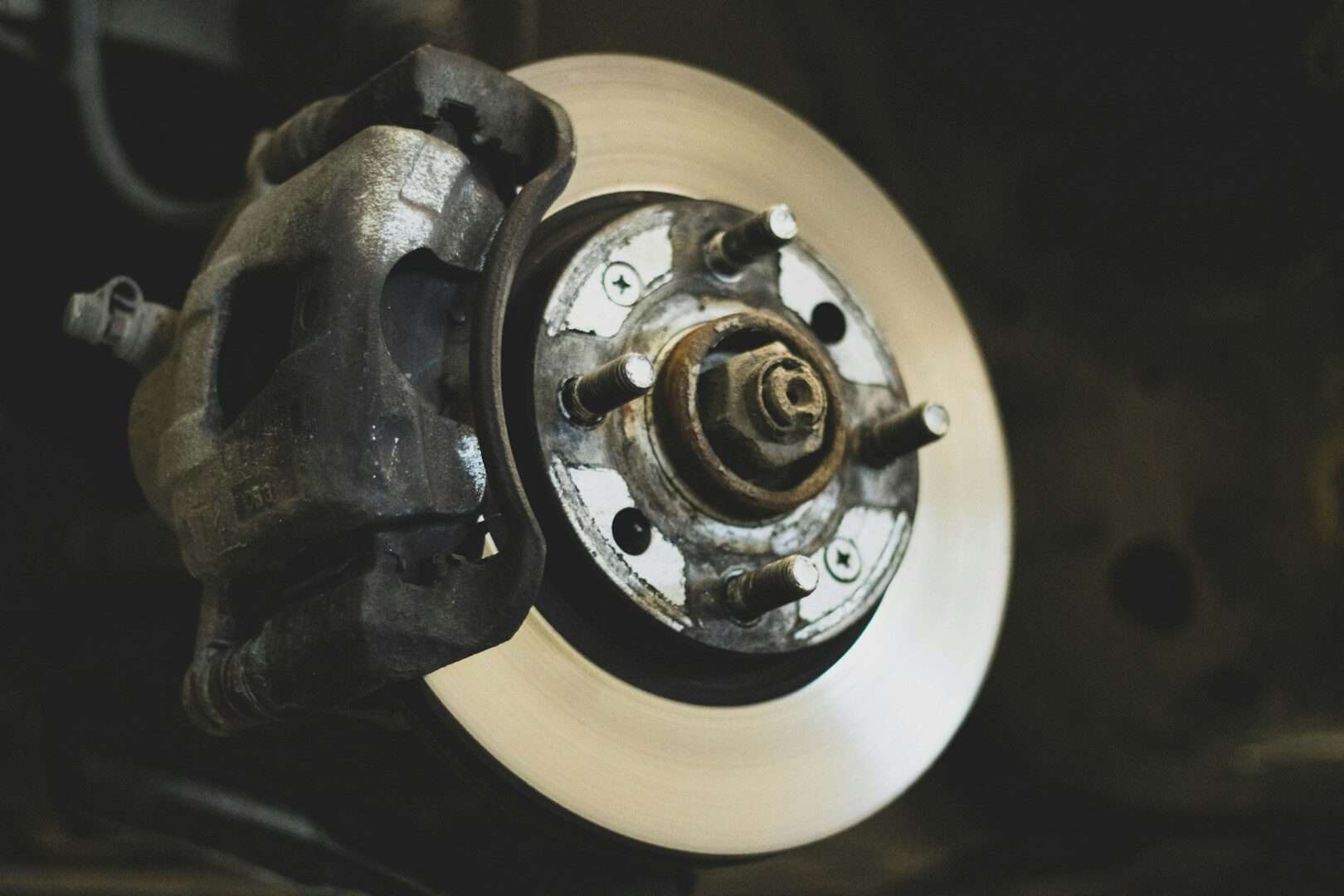
The Soft Pedal Nobody Sees Coming
That vapor is exactly what causes the terrifying soft or spongy pedal that drops toward the floor when you need stopping power most. Instead of your foot pushing solid fluid against the brake pistons, you’re compressing a pocket of gas, and the brakes simply don’t bite the way they should. This is called brake fade, and it doesn’t announce itself on a calm drive to the grocery store — it shows up on the one steep grade or panic stop where the consequences are highest, which is exactly what makes neglected fluid so quietly dangerous.
Corrosion You Can’t See
Water in the lines does more than lower the boiling point — it slowly corrodes expensive metal components inside your brake system, including caliper pistons, wheel cylinders, and the anti-lock braking module. Once corrosion takes hold, you’re no longer looking at a cheap fluid flush but at hundreds or even thousands of dollars in replacement hardware. Fresh fluid carries corrosion inhibitors that wear out over time, so old fluid isn’t just less effective — it’s actively letting your hardware rot from the inside.
How Often You Actually Need a Flush
The honest answer is that most manufacturers recommend a brake fluid flush every two to three years, regardless of mileage, because the clock matters more than the odometer when moisture is the culprit. Some owners go far longer simply because nothing has gone wrong yet, but that’s luck, not maintenance. A shop can test your fluid with an inexpensive moisture meter or test strips in a couple of minutes, and the flush itself is one of the cheaper services on the menu. If you can’t remember the last time it was done, it’s almost certainly due.
What to Check Before Your Next Long Drive
Pop the hood and find the brake fluid reservoir, usually a translucent plastic tank near the back of the engine bay on the driver’s side. If the fluid looks dark amber or muddy brown instead of clear pale gold, that discoloration is a strong sign it’s overdue. Check your owner’s manual for the recommended interval and fluid specification, then book a flush if you’re past it.
While you’re thinking about stopping power, it’s worth making sure you’re not ignoring a shake when you brake, that your tires are rotated on schedule, and that you’re even jump-starting your car the right way when the battery dies. Brakes are the one system where being a little early on maintenance is always cheaper than being a little late.