
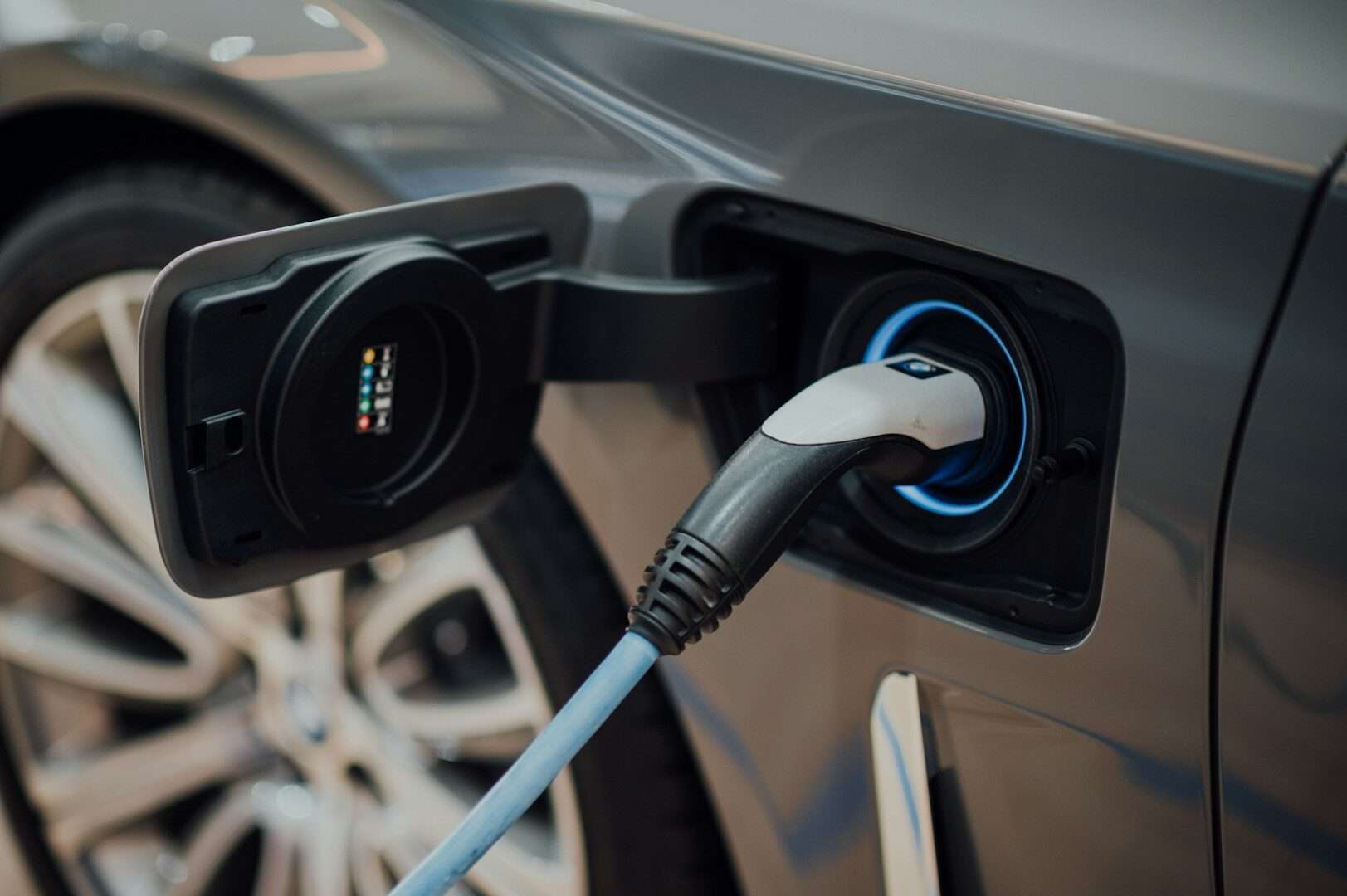
Electric cars are supposed to be the low-maintenance future, and in a lot of ways they are. But the single most expensive component in the entire vehicle — the battery pack — is also the one most drivers are quietly mistreating without realizing it. The way you charge your EV day to day has a direct effect on how much range you’ll still have in five or ten years, and most of the habits people fall into are exactly the ones engineers warn against.
Why Charging to 100 Percent Hurts
The lithium-ion cells in your battery are happiest living in the middle of their range, not pinned at the top. Keeping a pack at a full 100 percent charge for long stretches puts the cells under constant high-voltage stress, which accelerates the chemical aging that permanently reduces capacity.
10 Car Accessories You’ll Actually Use
The Zero Percent Mistake
The opposite extreme is just as damaging. Routinely running the battery down to near zero before charging stresses the cells from the bottom of their range and can, over time, lead to deeper degradation. Worse, leaving an EV parked for days or weeks at a very low state of charge risks the pack draining further into a deeply discharged state that’s genuinely bad for its health. The sweet spot for both daily use and longer parking sits somewhere in the comfortable middle, not the dramatic edges of the gauge.
Fast Charging Isn’t Free
DC fast chargers are a genuine convenience on road trips, but they aren’t meant to be your everyday routine. Pushing huge amounts of current into the pack generates heat, and heat is the other great enemy of battery longevity. Drivers who rely exclusively on fast charging tend to see their packs degrade faster than those who do most of their charging slowly at home overnight. Use fast charging when you need it, but make slower Level 2 home or workplace charging your default whenever possible.
Heat and Cold Both Matter
Temperature plays a bigger role than most owners expect. Charging or parking a car in extreme heat speeds up degradation, while charging a very cold battery can be hard on the cells too. Many EVs have thermal management systems that precondition the pack, and using features like scheduled departure or preconditioning while still plugged in lets the car manage temperature using grid power instead of draining the battery. Parking in shade or a garage during heat waves is a small habit that pays off in long-term range.
Simple Habits That Protect Your Range
None of this requires babying the car. Set your daily charge limit to around 80 percent, plug in before you drop too low rather than running to empty, lean on home charging for routine top-ups, and save fast charging for trips. Use scheduled charging so the car finishes close to when you leave instead of sitting full all night. These habits cost nothing and can meaningfully extend the life of the most valuable part of your vehicle.
While you’re rethinking your routines, it’s worth knowing that tire rotation still matters on heavy EVs, that you should understand how your drivetrain actually works, and that even electric cars can need a 12-volt jump start when the small accessory battery dies.