
On the surface it was just vehicle paperwork. Underneath, prosecutors say, it was a nearly $4 million enterprise built on some of the most coveted machines on the road. A Philadelphia man whom locals reportedly called the “tag guy” is now staring down a string of felony charges after investigators say they unraveled a title-washing operation tied to dozens of stolen luxury and exotic cars.
This was no minor side hustle. Officials estimate that 65 premium vehicles — Ferraris, AMG sedans, G-Wagens, and BMW M cars among them — were given fabricated paperwork and resold as if they were clean. For the people who bought them, that’s a worst-case outcome. For the wider car community, it’s a warning shot.
The Man Behind “Operation Hot Wheels”
The man at the heart of the case is described as a 40-year-old authorized tag agent working on behalf of Pennsylvania’s Department of Transportation. That credential handed him the keys to one of the most sensitive gateways in the entire ownership chain: the vehicle title itself.
According to authorities, he leaned on that authority to push through bogus documentation for stolen cars, which let those vehicles emerge with spotless Pennsylvania titles. With paperwork in hand, the cars looked entirely legitimate — despite histories that were anything but. From there, the vehicles allegedly moved through associates who counted on his access to finish each sale. All told, the scheme is said to have touched 65 cars worth roughly $3.8 million combined. It’s a playbook that echoes other recent cases, including a Florida couple accused of running a luxury car title scheme.
Why Expensive Cars Made the Perfect Cover
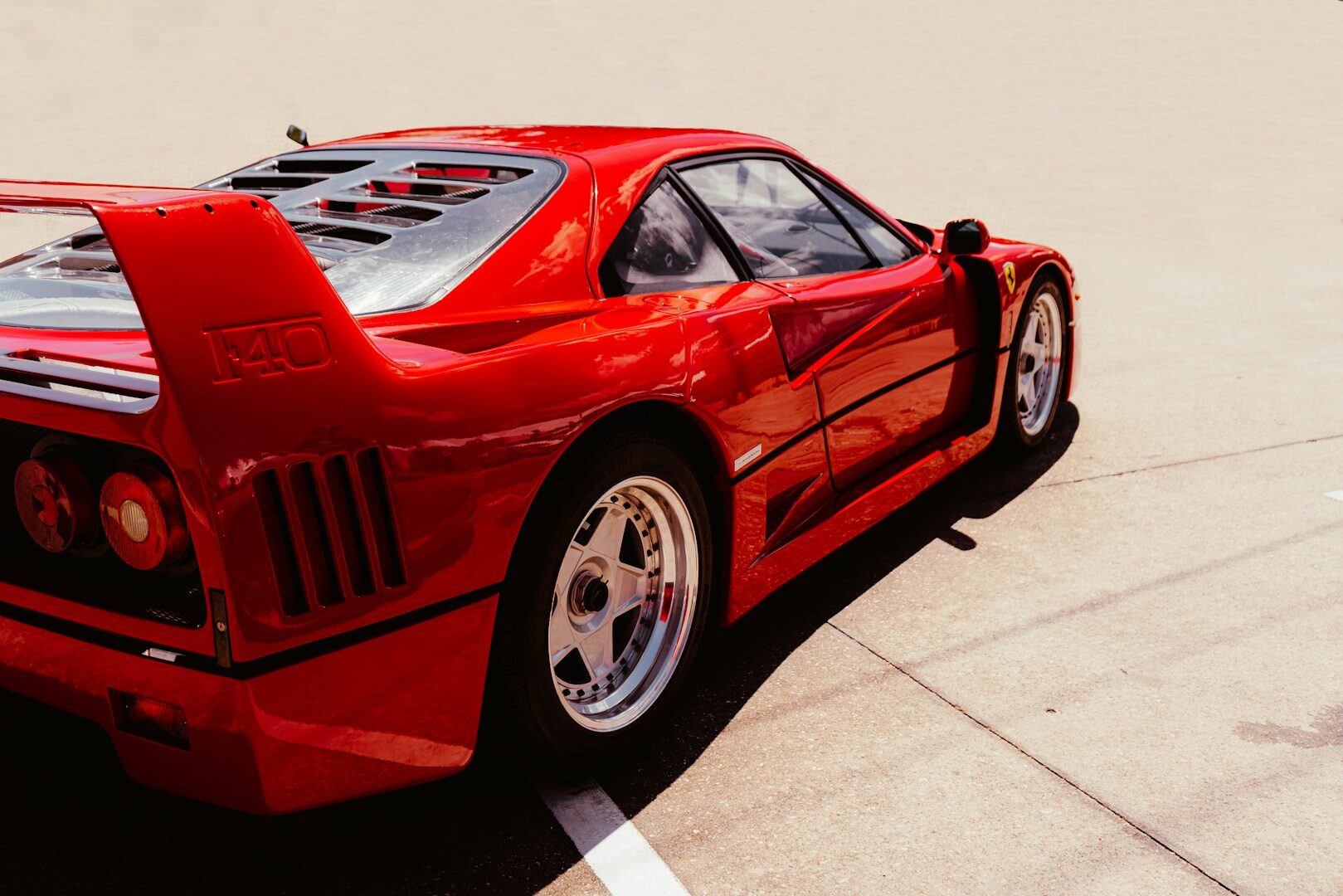
This was not a ring trading in everyday commuters. The roster reads more like an enthusiast’s fantasy garage: a Ferrari Portofino, a Mercedes-AMG S63, a Mercedes-Benz G550, and a BMW M3 CS, to name a few. Cars like these carry a built-in aura of credibility — their price tags, dealer pedigrees, and paperwork lead most buyers to assume everything is above board. That very assumption is what made the alleged scheme so effective. When a six-figure car shows up with what appears to be a legitimate, state-issued clean title, few people stop to dig deeper. That blind spot is exactly what the operation reportedly preyed upon.
The Charges So Far, and What’s Still Missing
Following his arrest and an arraignment in mid-March, the accused was hit with several felony counts. He was reportedly denied bail — a sign of how seriously prosecutors view the matter. The probe, dubbed Operation Hot Wheels, was spearheaded by Pennsylvania’s Insurance Fraud Section alongside State Police. Roughly 40 of the 65 vehicles have already been tracked down, but that still leaves a sizeable number missing. Investigators have suggested the case is far from closed, hinting that more charges, or even more people, could surface as they trace the full network.
A Trust Problem for the Whole Hobby
Stories like this strike a nerve in the enthusiast world, which runs almost entirely on trust — trust in a car’s documents, its history, and its legitimacy. Erode that foundation and the ripple effects reach everyone. Someone could buy a stolen car without realizing it, then watch it get seized later, losing not just the vehicle but potentially every dollar they paid. Insurance in these situations tends to be murky, and the legal wrangling can stretch on for years. Schemes of this size can also trigger tougher oversight, leaving honest buyers and sellers to navigate even more red tape just to register a car.
The Real Vulnerability Isn’t One Bad Actor
Beyond one alleged bad actor, the case spotlights a broader weakness: a patchwork of state-by-state title systems that insiders can quietly bend to their advantage. Title washing is an old trick, but seeing it scaled up to dozens of exotics underscores how easily dated processes can be gamed — as a sprawling Montana supercar registration scheme that led to 14 charges in California recently showed. As vehicles climb in value and collectibility, the financial reward for fraud climbs right along with them, pushing criminal operations to grow more sophisticated and to zero in on high-dollar targets. Meanwhile, buyers are pouring in from every direction — online marketplaces, private deals, and beyond — where verification is often thin. That mix creates fertile ground for exactly this kind of scheme.
Who Ends Up Footing the Bill
However many millions the alleged operation pulled in, the consequences land on buyers, insurers, and the enthusiast community at large. Honest sellers get viewed with more suspicion, buyers shoulder greater risk, and law enforcement scrambles to stay ahead of ever-shifting fraud tactics — the kind seen in everything from a $6.5 million classic car theft ring to dealers forging signatures to flip wrecked cars. For people who just want to enjoy the cars they love, it piles one more worry onto a hobby that already feels increasingly complicated.
A Sign of What Could Come
This isn’t simply a tale of one operator working a loophole. It points to a structural gap that could be exploited again and again unless something shifts. As more valuable cars change hands through digital platforms and cross state lines, the case for stronger verification and accountability only gets harder to dismiss. The unsettling question isn’t just how this happened — it’s how many similar operations are still out there, quietly waiting to be exposed.