
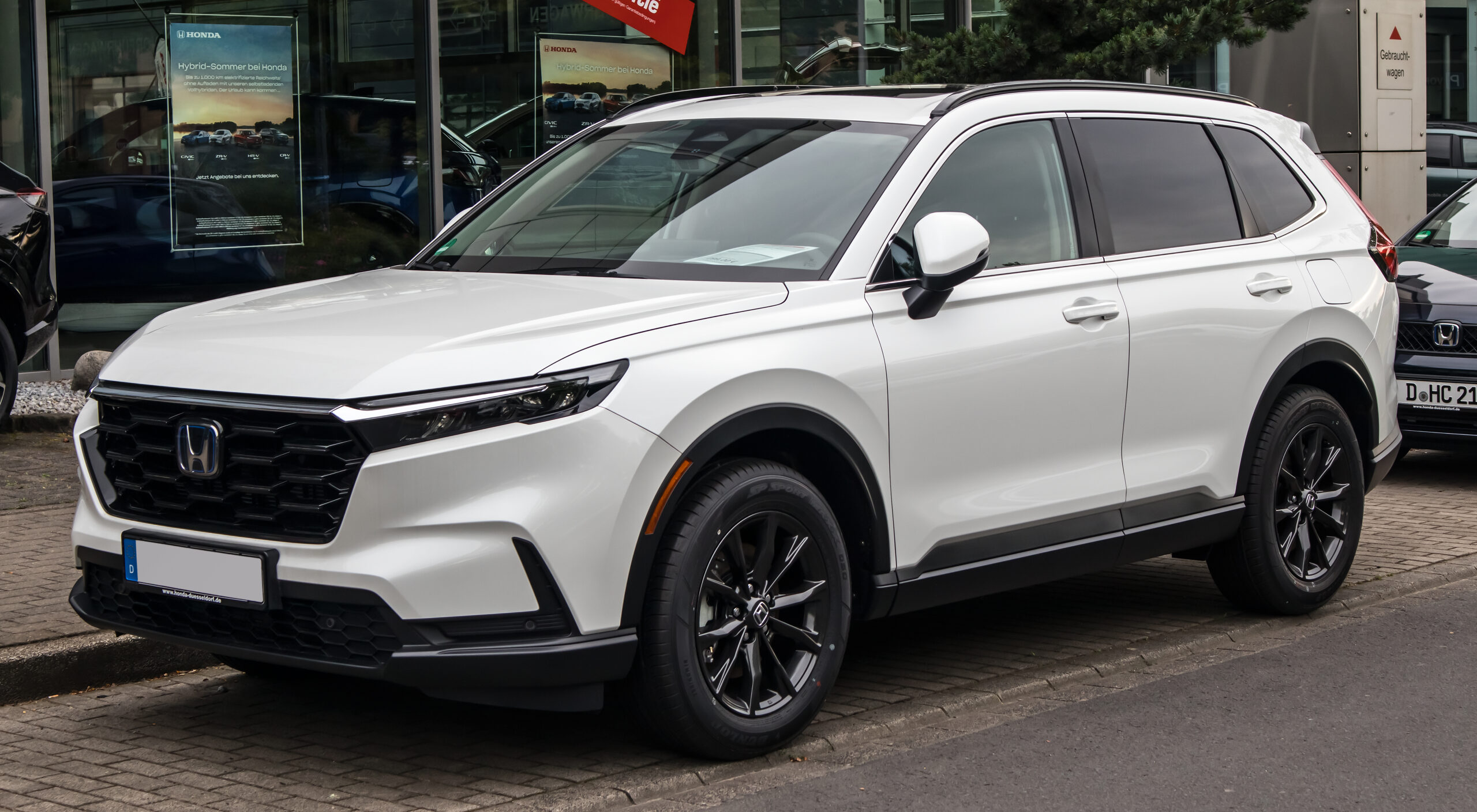
When a Honda executive stands in front of reporters in Washington and says the company might not build its next North American factory, that isn’t a manufacturing update. It’s a message aimed at trade negotiators, delivered in public because private memos don’t move anybody.
Honda Executive Vice President Noriya Kaihara told reporters at a roundtable this week that the automaker is close to full production capacity across North America and needs an eighth assembly plant to keep up. He said Honda wants that plant running by around 2030 and will need to commit within a year or two. But the commitment, he said, depends on the fate of the trade agreement the Trump administration is currently renegotiating with Canada and Mexico. Without it, Kaihara said, “we may have to change our direction.”
Read quickly, that’s a story about a factory. Read carefully, it’s a story about what happens when a treaty stops behaving like a treaty.
The Trade Deal That Didn’t Die, and Didn’t Survive Either
Here’s the part almost nobody explained clearly this week: USMCA did not fail on July 1, 2026. It also wasn’t renewed. It did something stranger than either.
The agreement runs sixteen years by design, expiring in 2036 unless the three governments agree to extend it, and it requires a formal joint review every six years so the parties can make that call early. That review happened right on schedule this summer. Canada and Mexico both said yes, extend it now. The United States said it would not renew the agreement in its current form. Under the treaty’s own rules, that single no didn’t kill the deal. It triggered a mandatory annual review that now repeats every year, indefinitely, until all three countries agree to extend the agreement or the clock simply runs out in 2036.
In other words, USMCA is now up for renewal every single year, with no scheduled endpoint to that uncertainty except an expiration date a decade away. That is the actual news Honda is reacting to this week. Not a canceled deal. A deal stuck on an annual snooze button.
Why a Factory Needs a Treaty to Behave Itself
A modern assembly plant is a fifteen-year financial bet before the first robot arm ever moves, and whether that bet pays off depends on whether the cars coming off the line can cross the U.S., Canadian, and Mexican borders duty-free. That depends on rules most car shoppers have never heard of. USMCA requires passenger vehicles to hit 75 percent North American content by value, and, unusually for a trade agreement, it requires 40 to 45 percent of that value to come from plants paying workers at least $16 an hour. That second number effectively writes a wage floor into customs law. It’s also the reason a Honda plant in Guanajuato and a Honda plant in Indiana aren’t interchangeable on a spreadsheet just because both sit in North America.
Locking in a new factory means locking in that math for a decade or more. An annual review process, even one that changes nothing this particular year, means the math could shift every twelve months instead of holding steady for sixteen years. That’s not a reason to panic. It’s a very good reason to wait before pouring concrete.
The Company Asking for Certainty Just Had the Worst Year of Its Public Life
Here’s the detail that got buried under the plant headline: Honda posted its first annual net loss since it listed on the stock market in 1957. Nearly $9 billion in EV-related restructuring costs and writedowns pushed the company into the red for the fiscal year that ended in March, erasing almost seventy years of unbroken profitability in a single earnings report. Honda responded by scrapping its target of making EVs a fifth of its sales by 2030, indefinitely shelving an $11 billion Canadian EV and battery project, and canceling three planned U.S. electric models.
Now fold that into this week’s comments. The company that just wrote off billions on electric vehicles is the same one warning it might skip a factory meant to build more of the hybrids and gas-powered models currently carrying it. Honda’s July sales jumped 36 percent, its best July in seven years, largely on hybrid demand as gas prices stay elevated. The eighth plant isn’t a growth bet. It’s a hedge, built to cover the bet Honda already lost.
Honda Already Knows What This Kind of Uncertainty Costs
This isn’t theoretical. In 2025, Honda redirected production of its next Civic Hybrid from a plant in Guanajuato, Mexico, to Indiana specifically to get ahead of tariff exposure. That single decision pushed the model’s launch back six months, from November 2027 to May 2028, just to retool one line. A new assembly plant is a far bigger version of the same problem, and Detroit’s own automakers are learning the same lesson about fine print the hard way.
Kaihara also said Honda currently isn’t passing tariff costs on to buyers in North America. That sounds reassuring at the dealership, but it isn’t permanent. It means Honda, not the customer, is absorbing the cost out of its own margin while 50 percent U.S. tariffs on Canadian goods and Canada’s retaliatory measures, effective September 8, play out. Margins can absorb tariffs for a while. They don’t absorb them forever.
Honda isn’t the only automaker running this play. Hyundai told the administration late last year that uncertainty over USMCA’s extension was delaying its own investment decisions, adding that early confirmation would unlock more than $20 billion in new American investment. Stellantis has spent recent weeks doing something similar, shoring up its Mexican supply chain while it climbs out of its own multibillion-dollar losses. The pattern across the industry is consistent: when the rules of the road are unclear, automakers don’t quietly revise their spreadsheets. They say so, loudly, in Washington, while negotiators are still in the room.
None of this means USMCA is failing. It means the agreement now renews itself the way a subscription does, one term at a time, with everyone required to actively opt back in, except the stakes are billions of dollars and multi-year construction schedules instead of a mailing label.
The eighth Honda plant isn’t the deadline worth watching. The treaty is. Every North American assembly line, the ones that have been running since the 1980s and the one Honda hasn’t built yet, now operates under a trade framework that has to be renewed, on purpose, every single year until 2036. That’s not a footnote to this story. It is the story.