 By Shawn Henry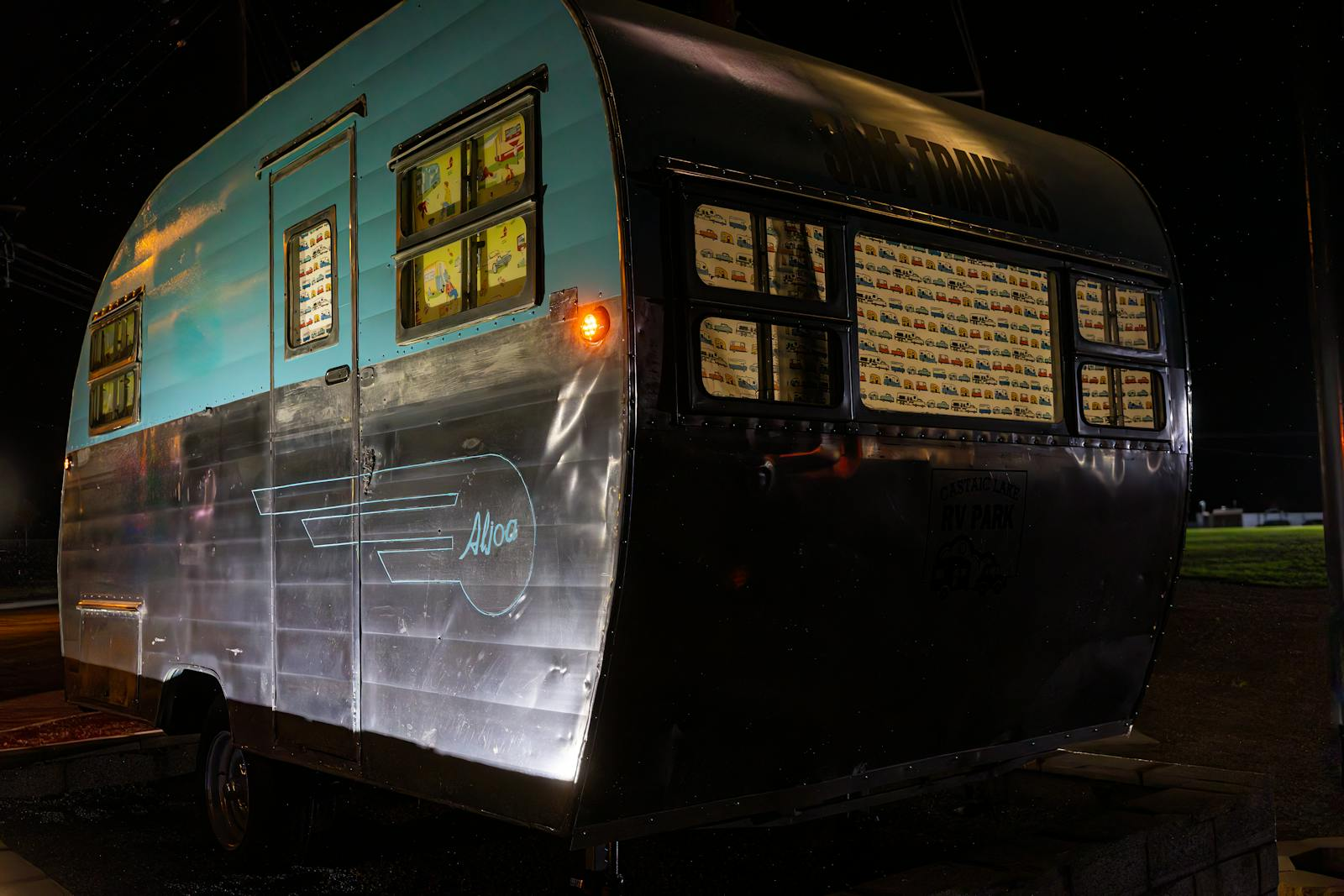
Redmond, Oregon residents woke up in the dark Sunday morning, and it wasn’t because of a storm. It was because a stolen Toyota 4Runner slammed into a power pole around 2:30 a.m., cutting electricity to the area and turning a quiet neighborhood into the aftermath of yet another avoidable crime. Police arrived to find the SUV with a crushed hood and no driver in sight. The suspect had vanished, leaving behind a wrecked vehicle and a community without power.
This wasn’t bad luck. It was reckless criminal behavior with real-world consequences.
Hours later, at about 9:30 a.m., police got the break they needed. A homeowner called 911 to report a burglary. Officers arrived to find 31-year-old Tucker Lee Tyree asleep inside a motorhome parked in a shop on the property. After crashing a stolen SUV into critical infrastructure and fleeing the scene, he allegedly decided it was time for a nap.
Tyree was taken into custody and now faces charges for unauthorized use of a motor vehicle, burglary, and an open warrant for a parole violation.
Let’s be clear about what happened here. A stolen SUV was driven into a power pole, knocking out electricity for residents who had nothing to do with any of it. Families woke up without lights, without heat, without the basic services they pay for. Utility crews spent hours restoring power. Property owners were left dealing with the damage. And a Toyota 4Runner — a vehicle built to be durable and capable — may now be totaled if the frame was compromised.
This is exactly why people are fed up. The vehicle isn’t the problem. The criminals who steal them are. Every stolen SUV used in a crime adds fuel to higher insurance rates, stricter policies, and more scrutiny on owners who did nothing wrong.
Repeat offenders with open warrants should not be free to steal vehicles, crash into public infrastructure, and then break into someone’s RV to sleep it off.
No one was physically hurt this time. That’s the only lucky break in this story.
But luck is not a strategy. Until theft and repeat parole violations are treated as the serious threats they are, communities will keep paying the price — in damaged property, lost power, and rising costs for law-abiding drivers. At some point, the system has to decide it’s had enough.
 Eve Nowell