
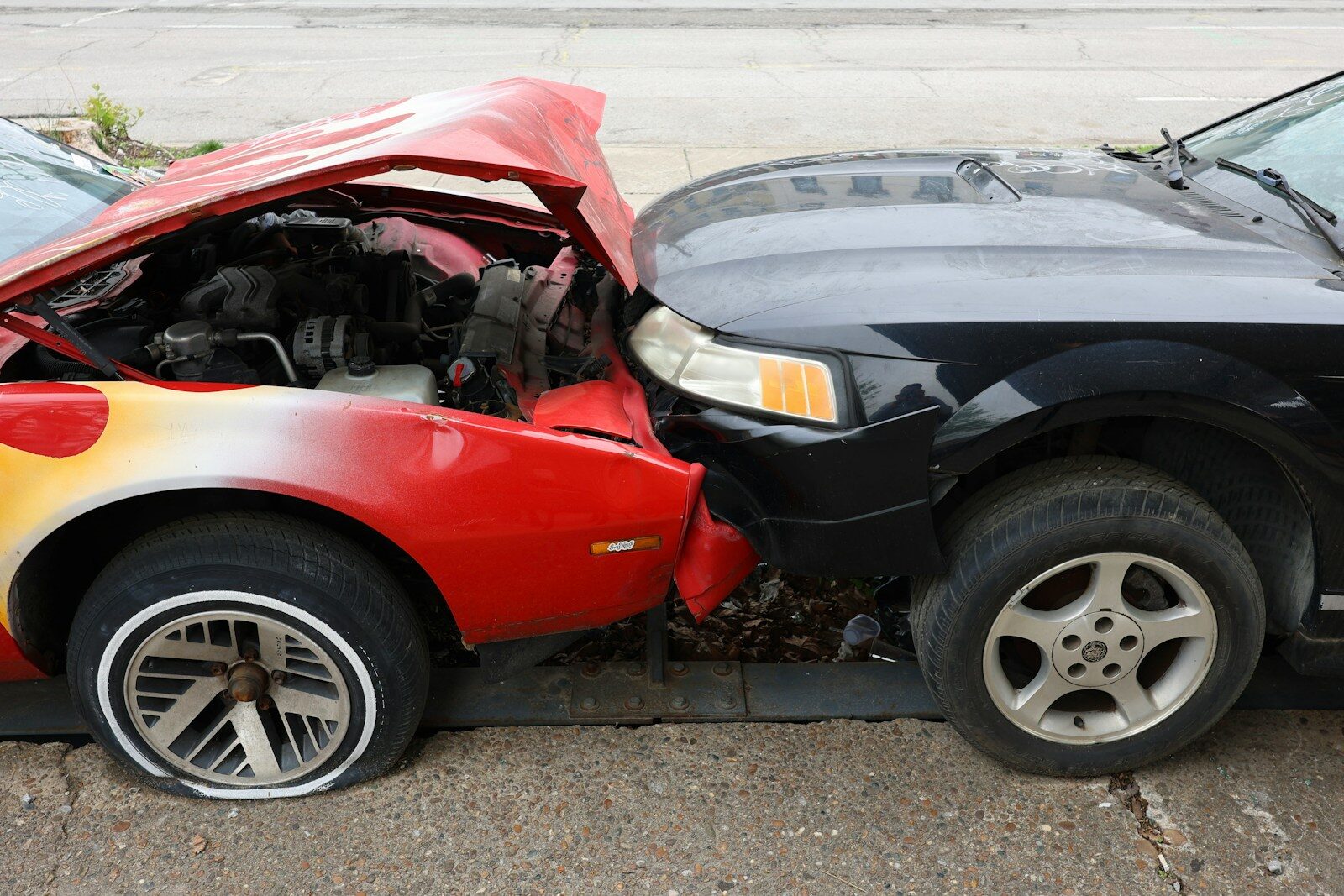
Once an adjuster marks your car as a total loss, things tend to move fast, often faster than most owners are prepared for. Here’s what the process actually looks like step by step.
Step 1: The Insurer Calculates What Your Car Was Actually Worth
The company calculates your vehicle’s Actual Cash Value (ACV), which is basically what it was worth right before the crash. Important: this is not what you paid for it. It’s based on factors like make and model, trim level, mileage, condition before the accident, local market prices, and comparable listings in your region. If you bought the car during peak pricing craziness, this part can feel brutal. People get upset because they paid $28,000 and the insurance company says it’s worth $21,000. That’s genuinely common.
Step 2: You Get a Settlement Offer
Once they land on the ACV, they send over an offer. That offer may include the vehicle’s value, taxes depending on your state, and sometimes registration fees. Then they subtract your deductible, if you’re filing under your own policy, along with any “condition adjustments” they decide to apply. If you’re dealing with the other driver’s insurance and they’re clearly at fault, you may not owe a deductible at all.
Step 3: If You Have a Loan, the Lender Gets Paid First
If the car is financed, you usually won’t get a check made out solely to you. Insurance typically pays the lienholder, your bank, first. If the payout is more than you owe, you get the leftover amount. If the payout is less than you owe, you’re responsible for covering the difference yourself. This is exactly where people get blindsided.
What If You Owe More Than the Car Is Worth?
This happens constantly, especially with longer loan terms. If you owe more than the insurance payout, you’re considered upside down on the loan. Say the insurance payout comes to $17,500 but your loan balance is $22,000, you’d still owe $4,500. That gap doesn’t magically disappear just because the car is gone, and that’s exactly why gap insurance exists in the first place.
What Gap Insurance Actually Covers
Gap insurance covers the difference between what you owe and what the insurance company pays out. If you’re upside down, gap coverage can pay that remaining difference and wipe out the leftover loan balance entirely. It’s especially valuable if you financed for 72 or 84 months, put little money down, bought a vehicle that depreciates quickly, or rolled negative equity from a previous loan into the new one. Without gap coverage, a total loss can turn into a genuine nightmare where you’re still making payments on a car you no longer even own.
Yes, You Can Negotiate the Settlement
Insurance companies don’t always lead with their best number. They’re working off automated systems and local comps, and those comps aren’t always fair to the owner. If the offer feels low, ask for the valuation report and look closely at what they used to reach that number. Pay attention to mileage adjustments, trim level mistakes, missing features, and incorrect condition deductions. Then check local listings yourself, and if you find similar vehicles selling for more, send those listings directly to the adjuster. If you recently spent money on the car, gather proof too: tire receipts, maintenance records, a new battery, or major repairs. It won’t always move the number, but it genuinely can help your case.
What Happens to the Car After It’s Totaled?
Once you accept the settlement, the insurance company typically takes possession of the vehicle and sends it to auction. From there, it might be sold as salvage, repaired and resold with a rebuilt title, stripped for parts, or scrapped entirely. That’s exactly why you should grab your personal belongings from the car quickly, before it moves anywhere.
Can You Keep a Totaled Car?
Sometimes, yes, through what’s usually called owner retention. Basically, you keep the vehicle and the insurer reduces your payout since they won’t be collecting the salvage value themselves. This can make sense if the car still runs, the damage is mostly cosmetic, you know a cheap repair shop, or you want to part it out yourself. But there are downsides. Keeping a totaled vehicle may mean a salvage title, issues registering it, difficulty insuring it again down the road, and permanently reduced resale value. For most people, it’s not worth the hassle unless you’re confident you know exactly what you’re doing.
Will Your Rates Go Up After a Total Loss?
It depends heavily on fault. If you were at fault, yes, your rates may increase at renewal, not always immediately, but it’s common, and the bigger the claim, the more likely you’ll see a jump. If you weren’t at fault, many states technically prohibit insurers from raising rates over a not-at-fault accident. In practice, it’s more complicated than that, and some people still see higher premiums later, especially if they’ve had multiple claims in a short window. Either way, it’s not guaranteed, but it’s worth expecting.
If Someone Else Caused the Accident
If another driver is clearly responsible, you generally have two routes. Filing through their insurance as a third-party claim usually means no deductible and their policy pays, but the process tends to be slower, they may fight liability, and coverage limits can become an issue. Filing through your own collision coverage instead is typically faster with less arguing, since your insurer handles the claim directly, but you pay the deductible upfront and may have to wait for reimbursement. Your own insurer can later pursue the other company through subrogation regardless of which route you pick.
If the Other Driver Has No Insurance
If the at-fault driver is uninsured, your options depend entirely on your own coverage. If you carry collision coverage or uninsured motorist property damage, which varies by state, you may still be covered. If you have neither, your only real option may be legal action, and realistically, most people never actually see that money.
What Happens to Your Plates and Registration
This depends on your state, but generally you can transfer your plates to another vehicle, you may need to cancel the registration yourself, and you might be eligible for a refund on unused registration fees. Don’t assume the DMV will automatically handle any of this on your behalf.
What to Do Immediately After a Total Loss
If your car is totaled, act quickly. Get the valuation report first, since this is the single biggest thing people skip entirely. Remove your personal belongings right away, since once the car moves to a salvage yard, retrieving items becomes far harder than it should be. Check your loan payoff balance so you know exactly what you owe if you’re financing. And review your coverage before buying another vehicle soon, since letting insurance lapse even briefly can raise your rates.
Final Thoughts
A total loss claim is frustrating, but it doesn’t have to turn into a financial disaster. Insurance pays what the car was worth, not what you originally paid for it. You can negotiate if the settlement feels low. If you’re upside down on the loan, gap insurance can save you from a painful gap. And keeping the totaled car is possible, though it comes with real headaches attached.
Most importantly, don’t rush the process. Insurance companies want you to accept the offer and move on quickly. Take a day, look at the numbers carefully, and make sure everything actually makes sense before you sign, because once you sign the settlement paperwork, that part is usually over for good.
Download your total loss insurance checklist now: