
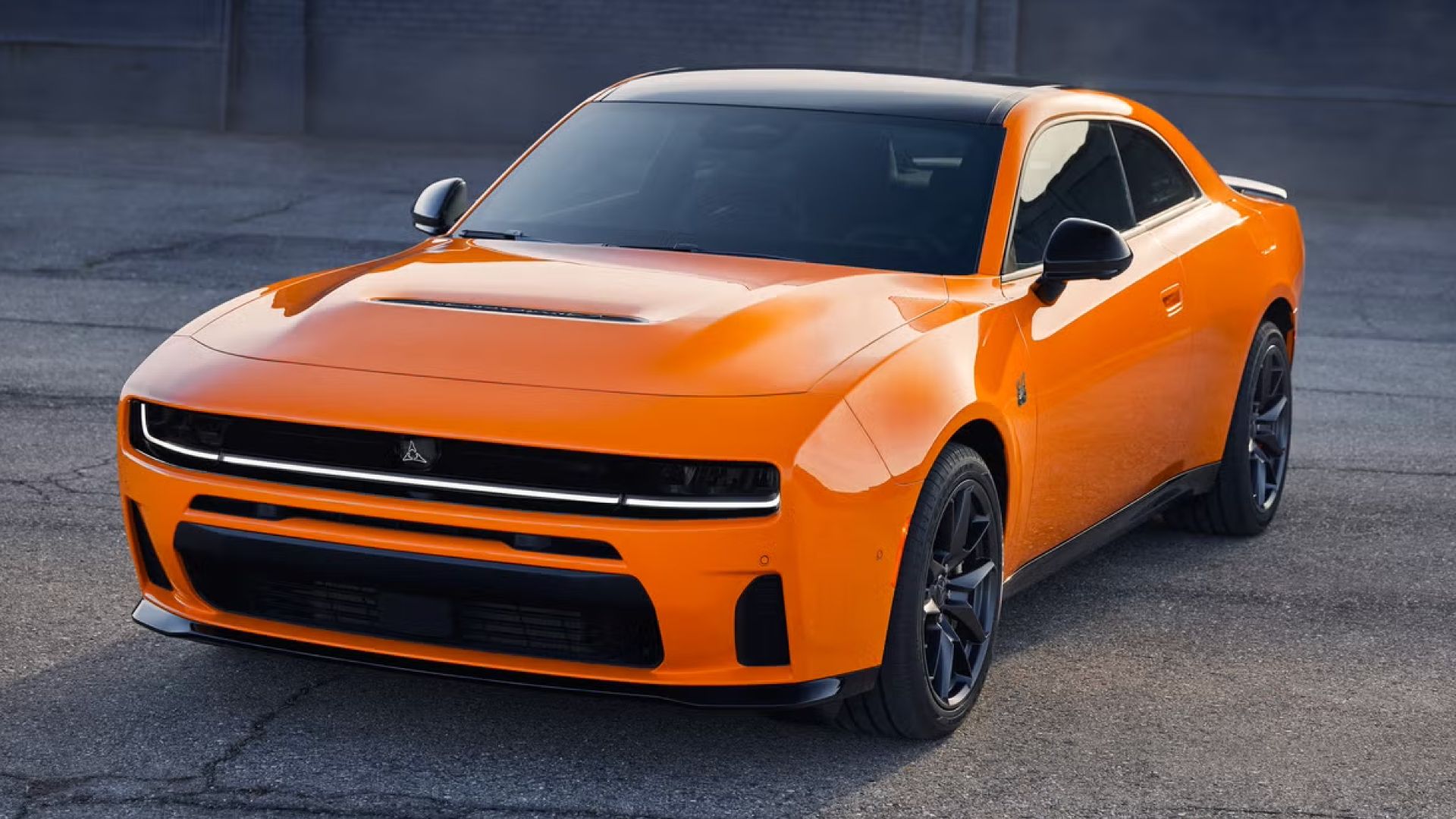
The auto industry is now paying the price for its own overconfidence. After years of loudly predicting an electric future that never fully arrived on schedule, global automakers have written off roughly $55 billion after badly misjudging demand for electric vehicles. This isn’t a market hiccup. It’s a full-blown reckoning playing out in public.
Why Scaling Back Got So Expensive
Scaling back electric vehicle investments has proven brutally expensive across the board. Projects were rushed, factories were retooled, and entire lineups were rewritten based on assumptions that never held up once vehicles actually reached showrooms. Now those assumptions are collapsing publicly, on balance sheets and in stock prices alike.
Stellantis Takes the Biggest Hit
Stellantis delivered the clearest example of the fallout. The company disclosed $26.2 billion in write-downs during the second half of 2025 after overestimating the pace of the energy transition. That financial hit wiped out more than 20% of its market value and sent shares to their lowest level in six years, a strategic failure, not a rounding error.
The fallout was immediate and tangible. Stellantis canceled the Ram 1500 REV electric pickup, dropped the Dodge Charger Daytona R/T EV, shelved the Charger Daytona SRT Banshee electric muscle car, and eliminated all plug-in hybrid Jeep and Chrysler models for the 2026 model year. These weren’t fringe experiments being cut. They were cornerstone products built on aggressive projections that turned out to be disconnected from reality.
Ford, GM, and Volkswagen All Hit the Same Wall
Other automakers followed the same path into the same wall. Ford disclosed a $19.5 billion write-down tied to its EV operations, canceled electric models including the F-150 Lightning, and shifted fresh investment back toward gasoline and hybrid vehicles instead. General Motors announced a $6 billion charge related to reduced EV spending, including billions in supplier contract cancellations, stacked on top of an earlier $1.6 billion write-down. Volkswagen Group absorbed a $6 billion hit tied to Porsche’s EV retreat, delaying or canceling electric models in favor of hybrids and combustion engines going forward.
The Policy Shifts That Exposed Fragile Forecasts
These losses didn’t happen in a vacuum. The expiration of the federal EV tax credit in late 2025, the rollback of fuel economy standards, and the cancellation of the EU’s 2035 EV mandate all exposed just how fragile the industry’s forecasts really were. Automakers had bet heavily on regulation-driven demand that evaporated faster than their product plans could realistically adapt.
Meanwhile, competitors from China quietly gained ground while legacy automakers scrambled. Chinese brands nearly doubled their European market share in a single year and surged to almost 20% of new vehicle sales in Mexico, capitalizing on chaos that legacy automakers largely created for themselves.
This is what happens when strategy follows political winds and marketing optimism instead of actual consumer demand. The industry didn’t just misread the market here. It ignored warning signs along the way. Now the bill has come due, and for most of these companies, the retreat is no longer optional.