
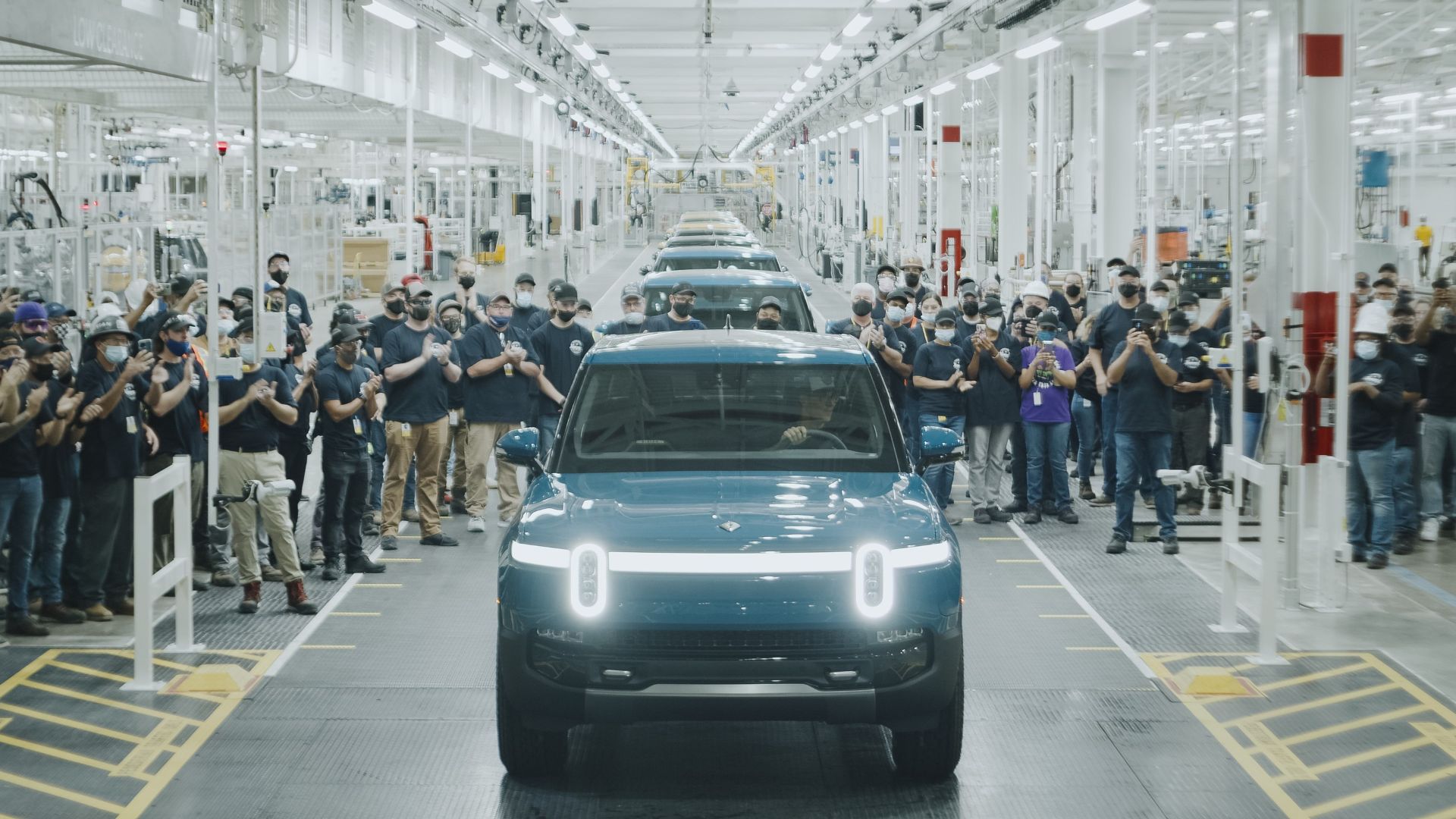
Rivian’s stock has fallen more than 90% from its post-IPO highs, reflecting a dramatic reversal for a company once viewed as one of the most promising challengers in the EV space. Shares debuted at $78 in 2020, raising roughly $12 billion, and briefly climbed as high as $170 before settling into a steep, sustained decline. The stock currently trades around $13.
Toyota Explores Paying Drivers for Their Vehicle Data
Revenue Growth Hasn’t Offset Losses
Rivian’s revenue climbed 78% last quarter to $1.56 billion, but the company continues to post substantial losses. Rivian reported a $1.16 billion loss in the third quarter alone, pushing total 2025 losses toward $2.82 billion. Production also remains limited relative to major competitors, with just 10,720 vehicles built last quarter.
CEO Compensation Draws Scrutiny
Rivian’s executive pay structure has also drawn attention from investors, following a restructured CEO compensation package valued at $4.6 billion after the company adjusted previous performance targets that had been considered unrealistic. Some shareholders have voiced frustration over the size of the package given the company’s ongoing financial losses.
The R2 as a Turning Point
Much of Rivian’s near-term outlook hinges on the R2, a smaller, lower-cost SUV set to launch next year at approximately $45,000, roughly half the price of Rivian’s current lineup. The R2 will enter a highly competitive segment already served by established rivals including Tesla’s Model Y, Ford’s Mustang Mach-E, and Hyundai’s Ioniq 5, all of which benefit from greater production scale and stronger brand recognition. Ford has also been offering 0% financing promotions, adding further competitive pressure.
What’s Next
Whether the R2 can meaningfully improve Rivian’s financial position remains uncertain. With shares down sharply and losses continuing to grow, the company faces a challenging path as it works to establish itself in a more affordable segment of the EV market.