
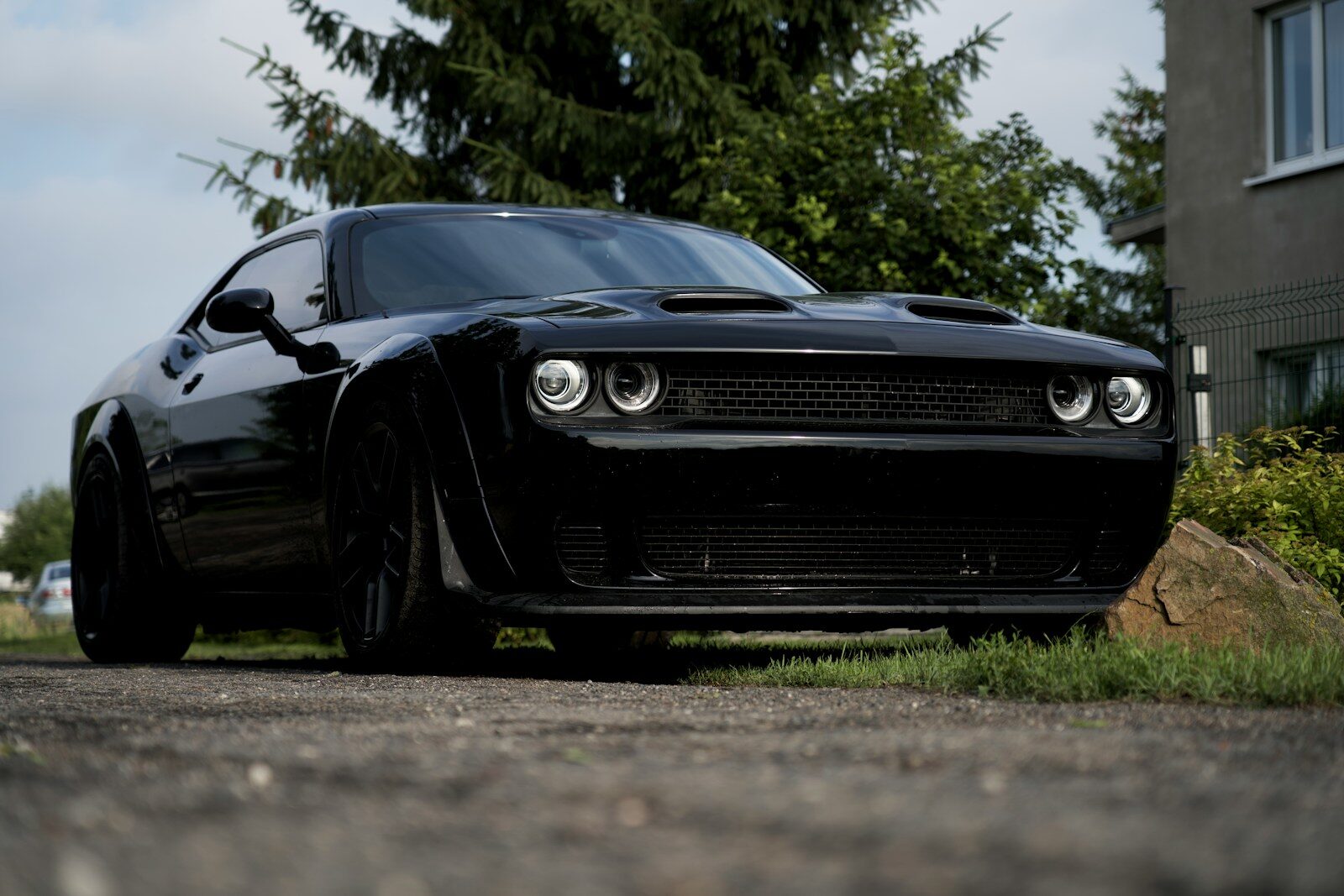
A newly filed class-action lawsuit is targeting Stellantis subsidiary FCA US, LLC and supplier Lear Corporation over electric front-seat height adjusters used in roughly two million vehicles, including the Dodge Charger, Challenger, and Chrysler 300.
What makes this case stand out isn’t just the sheer number of vehicles involved, it’s the language used. The plaintiffs aren’t just alleging a design defect. They’re alleging a broader “conspiracy” to conceal it entirely.
At this stage, these are allegations only. No court has ruled on the claims, no recall has been issued, and no federal crash test failures have been cited. Still, the lawsuit, filed in the U.S. District Court for the Northern District of Texas, raises technical questions that could draw real attention if the case advances further.
Which Vehicles Are Named
The lawsuit, Richard and Evelyn Alexander v. FCA US LLC, et al., applies to:
- 2011–2023 Dodge Charger
- 2011–2023 Dodge Challenger
- 2011–2023 Chrysler 300
- 2011–2017 Chrysler 200
- 2013–2016 Dodge Dart
According to the complaint, these vehicles all share a similar electrically powered front-seat height adjustment mechanism supplied by Lear Corporation, and plaintiffs argue this shared component can fail during certain rear-end collisions.
What the Lawsuit Says Actually Fails
At the center of the case is a powered seat-height adjustment assembly, a common feature in modern vehicles. According to the lawsuit, the system consists of:
- An electric motor
- A gearbox
- A threaded shaft
- A traveling nut
- A small welded bracket connecting the mechanism
The plaintiffs claim that during low-speed rear-end impacts, the seat-height adjuster can collapse downward due to failure at the weld point specifically. Importantly, the complaint does not allege that the seat detaches from the vehicle floor entirely, only that the height mechanism itself can deform or collapse during impact.
In everyday driving, the adjuster primarily handles vertical loads, essentially just the weight of the occupant sitting on it. In a rear-end crash, though, forces shift backward, and the lawsuit argues those rearward loads concentrate stress at the welded bracket specifically, potentially causing it to deform under pressure. The complaint further claims that seats adjusted to higher positions may face greater leverage forces during an impact, increasing stress on the mechanism even further.
Why Seat Height Actually Matters in a Crash
The engineering issue at the heart of the lawsuit centers on occupant positioning. Modern vehicle safety systems, including seat belts and airbags, are calibrated around expected seating geometry. A sudden drop in seat height during a rear-end collision could, according to the plaintiffs, alter seat belt angle, occupant posture, and airbag alignment all at once, changes that the lawsuit argues could affect how restraint systems manage occupant motion during a crash.
However, at this stage, the claims rely primarily on testing commissioned by plaintiffs’ attorneys. The complaint doesn’t cite failed federal crash tests or specific findings from the National Highway Traffic Safety Administration.
What Hasn’t Happened Yet
One important detail in this case is what’s conspicuously absent so far: no recall has been announced, no federal agency has issued findings related to the seat adjuster, and no court has ruled on the allegations. As of now, this remains strictly an early-stage legal dispute. Before any broader action can occur, the case has to survive early motions in court and get certified as a class action. Only after certification would it move into discovery, where internal documents and additional technical analysis could actually be examined by both sides. Until then, the claims remain entirely unproven.
The Conspiracy Allegations Go Further
Beyond the engineering defect claim, the lawsuit includes more aggressive accusations. The plaintiffs allege that FCA and Lear committed “mail and wire fraud” by failing to disclose the alleged defect while continuing to sell vehicles equipped with the component regardless. That language pushes the case well beyond a standard product defect claim, but conspiracy and fraud allegations in civil filings don’t equate to established wrongdoing on their own. Those assertions still have to be tested in court like everything else here.
Automotive class-action lawsuits alleging concealed defects aren’t uncommon, and many are dismissed, settled, or resolved without any admission of fault. Whether this case follows that familiar pattern remains to be seen.
How These Engineering Disputes Typically Play Out
Seat structures are heavily regulated components, subject to federal safety standards and crash testing requirements, and rear-impact performance specifically is governed by established federal guidelines. The lawsuit doesn’t claim the vehicles failed regulatory certification outright, instead arguing that real-world collision dynamics expose a structural weakness that wasn’t adequately addressed during that certification process.
Disputes like this one often hinge on competing crash analyses, materials testing, and expert testimony. Plaintiffs typically lean on commissioned testing, while manufacturers defend their designs through internal validation data and regulatory compliance records. The eventual outcome usually depends on whether the alleged defect can be consistently reproduced and whether it materially affects occupant safety beyond what federal compliance standards already require.
Where the Case Goes From Here
The case remains in its early procedural phase. For the lawsuit to proceed as a class action, the plaintiffs must survive dismissal motions, achieve class certification, and enter discovery, in that order. Only after those steps would the case move toward trial or potential settlement discussions. For now, no changes have been announced for any of the vehicles listed in the complaint, and owners of affected Dodge, Chrysler, and Fiat Chrysler models are not currently subject to recall or federal action based on the allegations in the suit.
The Dodge Charger, Challenger, and Chrysler 300 have been core pillars of FCA’s performance and full-size sedan lineup for more than a decade, and with millions of units on the road, any allegation involving structural safety components naturally draws attention. Whether this case develops into a significant safety issue or remains a contested civil dispute will depend entirely on how the courts weigh the technical evidence presented. At this stage, the lawsuit presents claims, not conclusions, and the matter remains unresolved.