 By Shawn Henry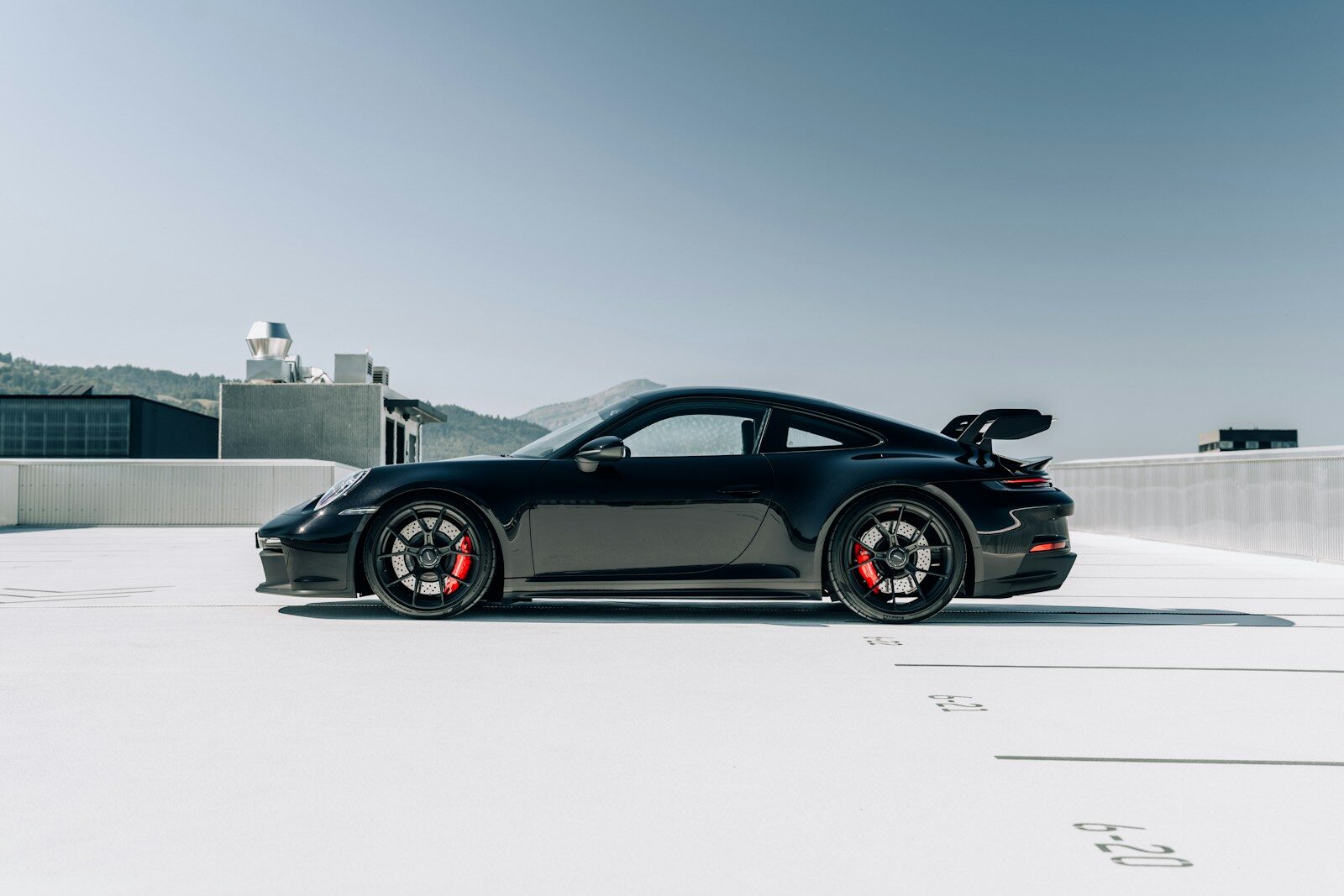
A Florida man has filed a lawsuit against Porsche Cars North America and a Pennsylvania dealership after discovering the nearly $282,000 Porsche 911 GT3 he purchased as a new vehicle was allegedly used beforehand as a technician training car.
According to court filings in Seminole County Circuit Court, Abdul Azizi purchased a 2022 Porsche 911 GT3 showing just 34 miles on the odometer from Porsche Warrington in Warrington, Pennsylvania. The high-performance sports car carried a purchase price of $281,940 and was presented to Azizi as a new vehicle. Dealership staff reportedly told him the GT3 had only been used for display and limited marketing purposes, including demonstrations to help dealership personnel become familiar with the model’s features.
The lawsuit claims the vehicle’s history was far more extensive than described. Azizi alleges the GT3 had originally been allocated to the Porsche Technology Apprenticeship Program, where it was used to train future service technicians. As part of that training process, the vehicle may have been repeatedly disassembled and reassembled while apprentices learned how to service and repair the platform.
That type of use typically involves extensive mechanical work, including removing components, examining systems, and reassembling the vehicle multiple times. While the training environment is designed to teach proper procedures, the lawsuit claims the vehicle was ultimately placed back into the retail sales pipeline and sold to Azizi without disclosing its prior use as a training tool.
The issue reportedly came to light after the GT3 began developing significant electrical system problems. After noticing the problems, Azizi brought the vehicle to a Porsche-certified technician for inspection. During that evaluation, the technician reportedly observed signs that prior work had been performed on the vehicle, consistent with the type of mechanical activity expected if the car had been used as a training platform.
Concerned about the findings, Azizi sought a second opinion from another Porsche service center. According to the complaint, a technician there identified additional issues underneath the vehicle. The inspection reportedly revealed that a section of the GT3’s undercarriage had previously been removed and then reinstalled incorrectly, further indicating the car had undergone significant work before it was sold.
Those discoveries raised questions about whether the car’s mechanical components had been repeatedly handled during technician training exercises before it ever reached a retail customer.
Attempts to repair the problems did not resolve the situation, according to the lawsuit. The complaint states the GT3 spent long stretches out of service as technicians attempted to diagnose and correct the electrical issues and other concerns.
By early 2025, Azizi had reportedly stopped driving the vehicle entirely due to the ongoing mechanical problems. Court filings claim the car has been unavailable for normal use for much of the year, preventing the owner from using or enjoying the vehicle he believed he had purchased new.
The legal dispute escalated further after Azizi pursued relief through Florida’s Lemon Law process. That procedure is designed to address situations where newly purchased vehicles develop repeated or serious defects that cannot be corrected through standard warranty repairs.
Azizi was able to secure a Lemon Law ruling regarding the GT3, but the outcome did not fully resolve the financial dispute. The current lawsuit states that the arbitration award did not include reimbursement for sales tax or finance charges tied to the nearly $282,000 purchase price.
As a result, Azizi is now appealing the arbitration outcome while simultaneously pursuing broader claims against Porsche Cars North America and the dealership involved in the sale.
The lawsuit alleges the training vehicle was improperly routed into the retail market and that its prior use was concealed from the buyer. The complaint further claims the dealership and manufacturer coordinated the vehicle’s allocation and sale without disclosing the full history of the car.
Additional details cited in the lawsuit may further complicate the case. According to the complaint, Azizi was initially told that the vehicle did not come with a window sticker, commonly referred to as the Monroney label, which typically lists pricing, options, and key information about the vehicle.
After taking delivery of the car, however, Azizi reportedly found the original window sticker inside the glovebox. The document allegedly included a prominent marking indicating the vehicle was not intended for retail sale, stating that the car was a Porsche Cars North America vehicle designated as not for sale.
The discovery raised further questions about how the GT3 entered the consumer market and whether internal allocation controls were bypassed or ignored before the vehicle was delivered to a retail buyer.
The 911 GT3 is one of Porsche’s most track-focused road cars, built with race-derived engineering and sold in limited numbers. Buyers typically place orders well in advance, and vehicles are delivered through tightly controlled allocations to authorized dealerships.
Because of that limited production and high demand, buyers paying close to $300,000 for a GT3 generally expect the car to be factory-new with a documented ownership history from the moment it leaves the manufacturer.
The lawsuit argues that expectation was not met in this case and that the vehicle’s prior use as a training tool materially affected its condition and value.
Legal proceedings are now underway in Florida’s Seminole County Circuit Court as the dispute moves through the civil litigation process. The outcome could determine whether the dealership and manufacturer face financial liability tied to the sale and the vehicle’s alleged undisclosed history.
For now, the case centers on one central question: whether a car used to train technicians should ever have been sold to a retail buyer as a new vehicle. The matter remains active in court, and the final decision will determine what compensation, if any, Azizi ultimately receives.


 Eve Nowell