
Best Automotive Inspection Cameras (Borescopes)
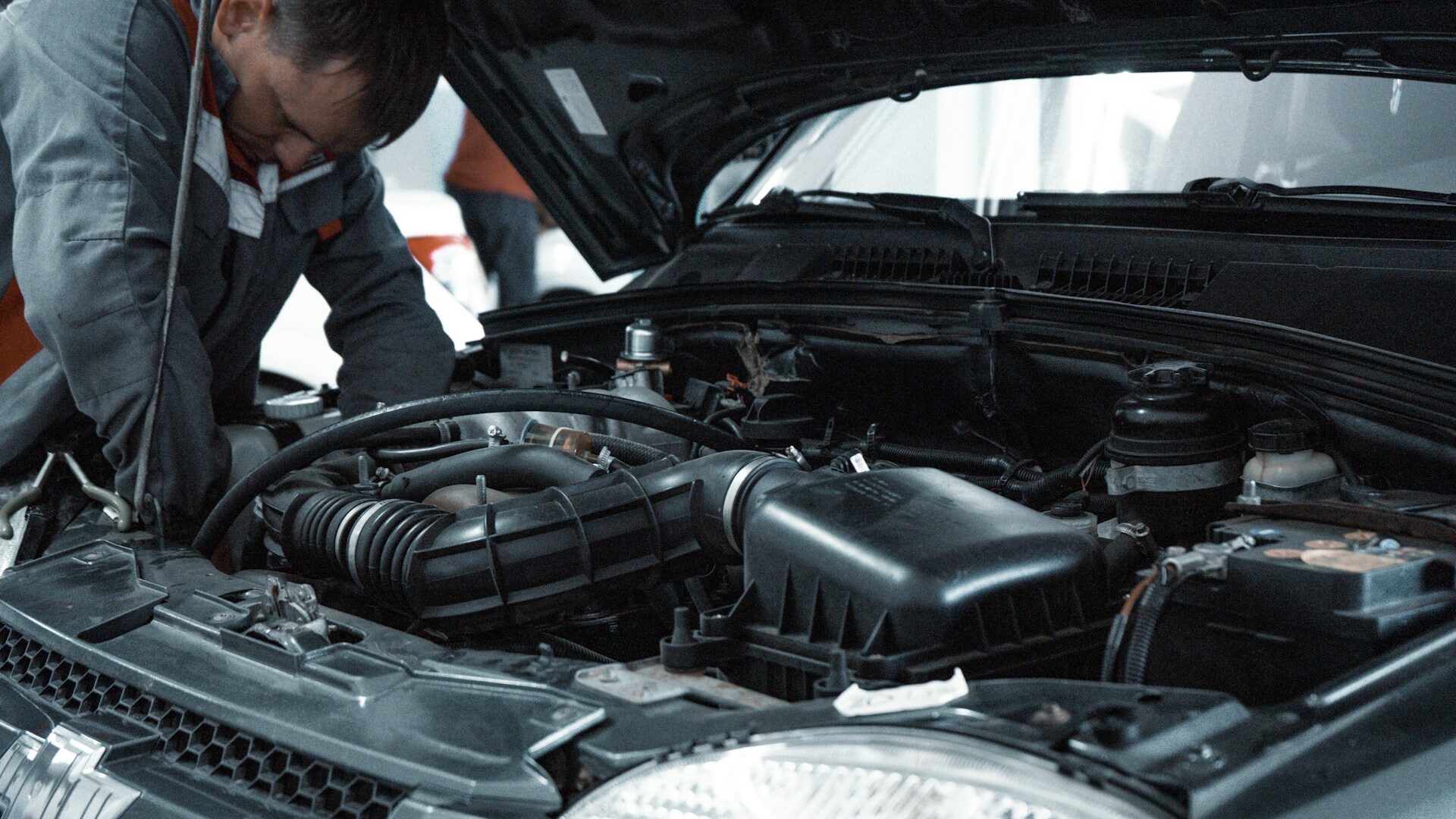
Some of the most useful work in a garage happens in places you simply can’t see — inside a cylinder through the spark-plug hole, behind the engine, down inside a frame rail, or in the tangle of components where a coolant leak or a dropped bolt has vanished. An automotive inspection camera, or borescope, puts a tiny LED-lit camera on the end of a flexible cable so you can look into all of it without tearing things apart.
For car work specifically, a few features matter more than the headline resolution number. A side-view (dual-lens) camera lets you inspect cylinder walls and the sides of components, not just whatever’s straight ahead. And an articulating tip — one you can steer around corners — turns a frustrating “point and hope” tool into something you can actually aim. Those two upgrades are what separate a toy from a genuinely useful diagnostic tool.
Below we’ve gathered popular, well-reviewed borescopes from budget single-lens units up to dual-lens articulating models from trusted brands like Teslong, DEPSTECH, and FOXWELL. These aren’t units we’ve personally tested; picks reflect reputation and customer feedback.
The Best Automotive Inspection Cameras (Borescopes)
Daxiongmao 1080P HD Borescope Endoscope Camera
Approx. price at time of writing: $27.07 · Rating: 4.5★ on Amazon
This is the budget gateway into borescopes — a flexible 1080P camera with a ring of LEDs that plugs into your phone (or a small screen, depending on the kit) so you can snake it into tight spots and see what’s hiding. For peeking behind an engine, into a cylinder via the spark-plug hole, or down a drain, it gets the job done cheaply.
Why We Like It: It’s an inexpensive way to get a camera into places your eyes can’t reach.
Best For: DIYers who want a cheap first borescope for occasional peeks.
Pros:
- Very affordable
- HD image with built-in LEDs
- Flexible semi-rigid cable
Cons:
- Single lens
- Basic image quality
- No articulation
1920P HD Dual-Lens Borescope Endoscope
Approx. price at time of writing: $34.19 · Rating: 4.3★ on Amazon
This dual-lens borescope adds a side-facing camera alongside the front lens, which is genuinely useful in automotive work where you often need to look at the wall of a bore or the side of a component, not just straight ahead. The 1920P resolution gives a clearer picture than entry units.
Why We Like It: The second side-view lens makes inspecting cylinder walls and tight cavities much easier.
Best For: DIYers who frequently need a side view inside engines or cavities.
Pros:
- Dual front/side lenses
- Sharp 1920P resolution
- Affordable
Cons:
- No articulation
- Phone-dependent on some kits
- Lower rating than top picks
Teslong Dual Lens Mechanic Borescope
Approx. price at time of writing: $45.59 · Rating: 4.5★ on Amazon
Teslong is one of the most recognized names in affordable borescopes, and this dual-lens mechanic model pairs front and side cameras with a built-in light and a design tuned for engine work. It’s a tidy, well-reviewed step up in quality and brand reliability.
Why We Like It: It brings a trusted borescope brand and dual lenses to a still-affordable price.
Best For: Home mechanics who want a reliable dual-lens unit from a known brand.
Pros:
- Trusted Teslong brand
- Dual lenses for versatility
- Good build for the price
Cons:
- No articulation
- No standalone screen on this model
- Mid-budget price
DEPSTECH Dual-Lens Inspection Endoscope Camera
Approx. price at time of writing: $47.48 · Rating: 4.5★ on Amazon
DEPSTECH is another well-regarded borescope maker, and this dual-lens model offers front and side cameras, adjustable LEDs, and broad phone compatibility. It’s an easy-to-use unit that’s popular for both automotive and general household inspections.
Why We Like It: It’s a well-reviewed, versatile dual-lens camera from a reputable borescope brand.
Best For: DIYers who want a do-it-all camera for car and home use.
Pros:
- Dual lenses, adjustable light
- Reputable brand
- Versatile for many tasks
Cons:
- Relies on a phone app
- No articulation
- Cable can be awkward in tight bends
Anykit 210° Two-Way Articulating Borescope
Approx. price at time of writing: $66.49 · Rating: 4.6★ on Amazon
This is where things get more capable: the Anykit articulates, meaning you can steer the camera tip up to 210 degrees to look around corners and aim precisely inside an engine or assembly. The slim 0.22-inch probe fits into genuinely tight passages.
Why We Like It: Articulation transforms a borescope from ‘point and hope’ into a tool you can actually aim.
Best For: DIYers who need to steer the camera around corners in tight spaces.
Pros:
- Two-way 210° articulation
- Slim probe for tight spots
- Well-reviewed
Cons:
- Pricier than basic scopes
- Steeper learning curve
- Articulation adds bulk to handle
Teslong Two-Way Articulating Borescope
Approx. price at time of writing: $99.99 · Rating: 4.6★ on Amazon
Teslong’s two-way articulating borescope combines steerable tip control with the brand’s solid image quality and lighting, plus an integrated screen on this model so you don’t need a phone. It’s a popular choice for serious engine and assembly inspection.
Why We Like It: It blends articulation, a built-in screen, and a trusted brand into one well-rounded tool.
Best For: Home mechanics who want articulation plus a self-contained screen.
Pros:
- Two-way articulation
- Built-in screen
- Trusted brand and image quality
Cons:
- Pricier
- Larger to store
- More tool than casual users need
FOXWELL Y400 Two-Way Articulating Borescope
Approx. price at time of writing: $109.99 · Rating: 4.6★ on Amazon
FOXWELL, better known for scan tools, offers the Y400 articulating borescope with a steerable tip, a clear display, and a design aimed squarely at automotive diagnostics. It’s a capable inspection tool from a brand mechanics already trust for diagnostics.
Why We Like It: It pairs FOXWELL’s automotive reputation with proper two-way articulation.
Best For: DIYers who already trust FOXWELL and want a matching inspection camera.
Pros:
- Two-way articulation
- Clear display
- Automotive-focused brand
Cons:
- Premium price
- Bulkier unit
- Overkill for light use
Teslong Dual-Lens Articulating Borescope
Approx. price at time of writing: $119.99 · Rating: 4.6★ on Amazon
This Teslong combines both upgrades at once — dual lenses (front and side) and a steerable articulating tip — for maximum flexibility inside engines and tight assemblies. It’s one of the more capable options short of true professional gear.
Why We Like It: Dual lenses plus articulation cover nearly every awkward inspection angle.
Best For: Serious DIYers who want the most versatile inspection coverage.
Pros:
- Dual lenses and articulation
- Strong image quality
- Trusted brand
Cons:
- Higher price
- More complex to use
- Larger to store
FOXWELL Elite Dual-Lens 220° Articulating Borescope
Approx. price at time of writing: $175.99 · Rating: 4.8★ on Amazon
The FOXWELL Elite is the top pick here, a dual-lens, two-way 220-degree articulating borescope with a high user rating and a build aimed at frequent, demanding use. It’s close to professional gear and the most capable inspection camera on this list.
Why We Like It: It combines the best features — dual lenses, wide articulation, high rating — for people who inspect often.
Best For: Dedicated enthusiasts and pros who want top-tier inspection capability.
Pros:
- Dual lenses, 220° articulation
- Excellent rating
- Near-professional build
Cons:
- Most expensive option
- Overkill for occasional use
- Largest to store
Buying Guide: Choosing an Automotive Inspection Camera
Single vs. dual lens. A single front-facing lens is fine for general peeking, but a dual-lens scope adds a side camera that’s invaluable for inspecting cylinder walls, the sides of components, and anything you can’t view head-on. For engine work, dual lens is a meaningful upgrade.
Articulation is the game-changer. Basic borescopes only point where the cable happens to bend. An articulating model lets you steer the tip (often 180–220 degrees) to look around corners and aim precisely — a huge help inside engines and tight assemblies.
Probe diameter and length. Slimmer probes (around 0.22–0.25 inch) fit into spark-plug holes and tight passages; thicker ones won’t. Make sure the cable is long enough to reach where you need but not so long it’s unwieldy. Semi-rigid cables hold their shape, which helps.
Screen vs. phone. Some units have a built-in screen, so you’re not dependent on a phone or an app; others stream to your phone over WiFi or a cable. A built-in screen is more self-contained; phone-based units can be cheaper.
Common mistakes: buying a single-lens scope then wishing for a side view, getting a probe too thick for spark-plug-hole inspection, and skimping on lighting (cheap LEDs wash out close-up). Match the tool to whether you’ll do real engine inspection or just occasional peeks.
Frequently Asked Questions
What can I use an automotive borescope for?
Plenty — inspecting cylinder walls and pistons through the spark-plug hole, finding leaks behind the engine, checking inside frame rails and intake passages, retrieving dropped bolts, and examining anywhere your eyes and hands can’t reach.
What does a dual-lens borescope add?
A second, side-facing camera. That side view is especially useful in automotive work for examining the walls of a cylinder or the sides of components, which a front-only lens can’t show clearly.
What does “articulating” mean?
An articulating borescope lets you steer the camera tip, usually well past 180 degrees, so you can look around corners and aim precisely. It’s far more useful than a fixed tip that only points where the cable bends.
Can it fit through a spark-plug hole?
Slim probes around 0.22–0.25 inch generally fit through spark-plug holes for cylinder inspection, while thicker probes won’t. Check the probe diameter against the application before buying.
Do I need a screen, or can I use my phone?
Both work. Units with a built-in screen are self-contained and don’t depend on a phone or app. Phone-based scopes stream over WiFi or a cable and are often cheaper, but rely on your device and software.
How important is resolution?
Higher resolution helps, but lighting, lens count, and articulation often matter more for actually seeing what you need. A 1080P dual-lens articulating scope will usually outperform a higher-resolution single-lens fixed one for car work.
Are cheap borescopes worth it?
For occasional peeks, an inexpensive single-lens model is fine. If you’ll do real engine inspection regularly, a dual-lens or articulating unit from a trusted brand is a better long-term buy.
An inspection camera fits right alongside our other diagnostic picks — see our guide to the best OBD-II scanners, our best digital multimeters for car diagnostics, and our Garage Deals hub.