

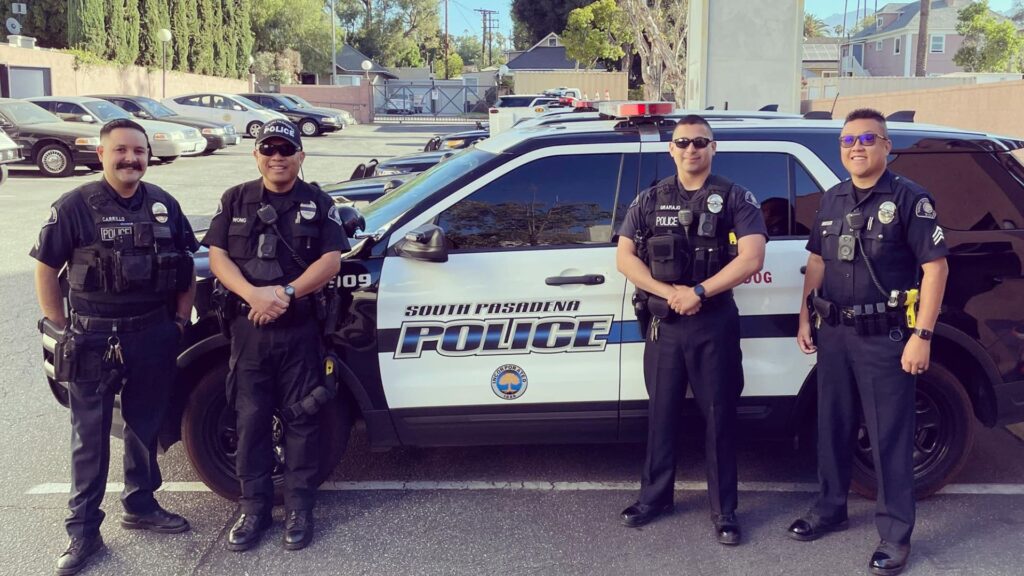
South Pasadena, California announced a plan to transition its entire police vehicle fleet to Tesla Model Y vehicles — making it one of the first police departments to go fully electric in its patrol car lineup. The announcement generated significant media coverage, partly because it represents a genuine milestone in EV adoption for public safety fleets and partly because it raises legitimate questions about whether a Tesla is really the right tool for a patrol vehicle role.
The operational case for the transition is reasonable for a department the size of South Pasadena’s, which serves a smaller suburban community with relatively contained patrol geography. Electric vehicles have low running costs, require less maintenance than ICE patrol vehicles (no oil changes, fewer brake replacements due to regenerative braking), and can be charged at the station between shifts. For a department where vehicles return to a fixed base regularly, the charging logistics are manageable.
The complicating factors are real, though. Police vehicles in active patrol duty are often left running for extended periods for climate control, radio, and computer equipment — a significant power draw that doesn’t exist in a regular commuter use case. Extended vehicle pursuits, which drain a battery pack quickly at high speed, create range management questions that don’t arise with gasoline vehicles. Emergency lighting and equipment draw adds to the electrical load. None of these are insurmountable, but they require operational discipline that changes how the fleet is managed.
Tesla’s commercial service relationship with fleet customers is also a variable that departments considering this transition should research carefully. Tesla’s service network, while growing, isn’t structured the same way traditional fleet maintenance relationships work, and quick turnaround on patrol vehicles that need to be back in service matters operationally.
South Pasadena’s transition is worth watching as a real-world pilot. It will generate operational data on range management in police duty cycles, maintenance costs, officer acceptance, and any service issues that emerge. If it goes well, it will be cited frequently as a template. If it runs into operational problems, those will be equally informative for other departments weighing similar decisions.