
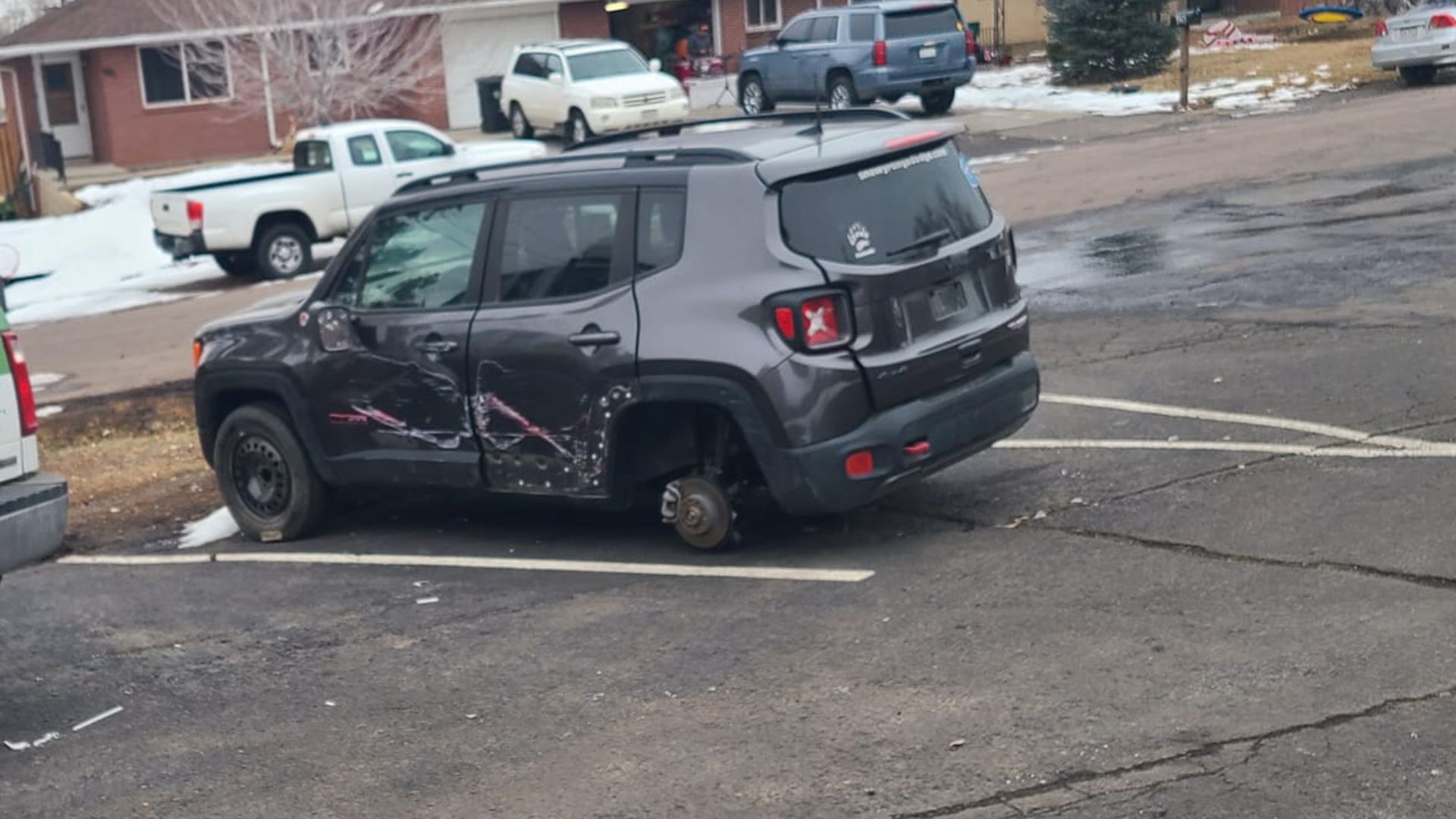

Colorado has been dealing with a persistent and severe vehicle theft problem, concentrated primarily in the Denver metropolitan area, for several years running. Despite law enforcement making arrests and busting multiple organized theft rings, the overall trend has been stubbornly resistant to improvement. The state legislature has responded by passing tougher penalties for auto theft, with the goal of creating meaningful deterrence where previous enforcement hasn’t been sufficient.
Colorado’s vehicle theft rate has ranked among the highest in the nation, driven by a combination of factors: organized criminal rings that have treated Denver as a productive market, specific vehicle vulnerabilities that made certain models easy targets, and a previous legal environment where the consequences for vehicle theft were widely perceived as inadequate relative to the crime’s profitability.
The legislative response — increasing penalties for auto theft offenses, creating enhanced charges for repeat offenders, and in some cases expanding the circumstances under which vehicle theft constitutes a felony — reflects the political reality that legislators were hearing from constituents for whom auto theft had become a routine concern. Whether tougher penalties actually reduce theft depends on how effectively those penalties are applied and whether would-be thieves are actually deterred by consequences that may feel abstract.
Deterrence research on property crime is mixed, but the consensus is that certainty of punishment is a stronger deterrent than severity alone. If Colorado’s tougher laws are enforced consistently and result in meaningfully more prosecutions and convictions, that combination of certain and severe consequences may actually move the numbers. If the laws are on the books but enforcement remains inconsistent, the deterrent effect will be limited.
For vehicle owners in Colorado and the Denver metro specifically, the legislative action is at least a signal that the political and law enforcement system is taking the problem seriously. Whether that translates to fewer stolen cars in 2024 and beyond will be visible in the data. The optimistic case is that organized rings see Colorado’s cost structure increasing and shift their operations elsewhere; the pessimistic case is that theft continues and lawmakers have to find additional tools to respond.
Comments are closed.