
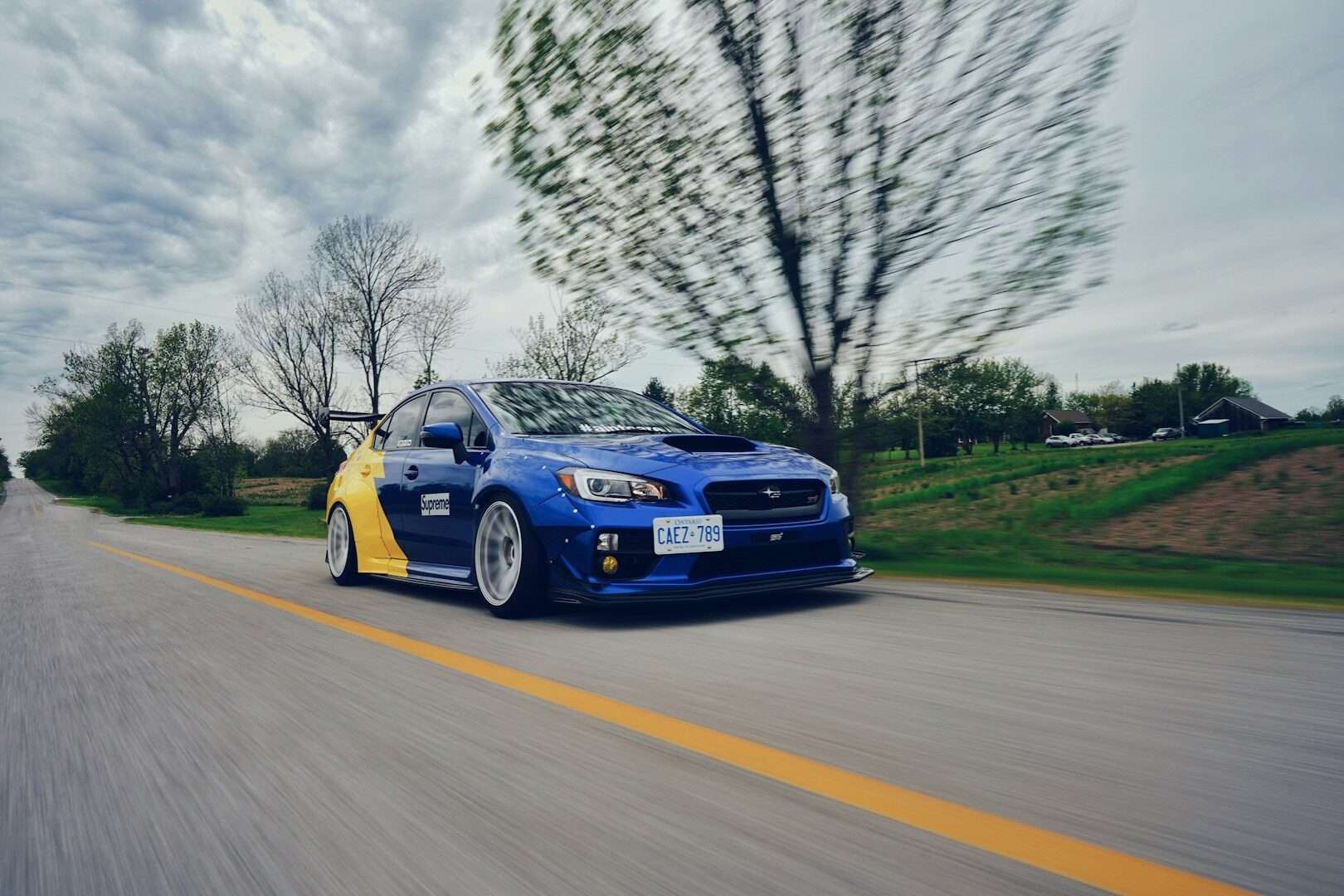
Subaru just got a very public lesson in pricing, and enthusiasts are the ones cashing in. After the automaker cut thousands of dollars off the WRX lineup and brought back the entry-level trim, sales of the turbocharged sedan rocketed 147.9% in May, climbing to 1,195 units. The car did not change. The engine did not change. The price did. That detail matters.
You may also like:
- Subaru To Increase Prices Thanks To Tariffs
- Dead: Subaru Legacy
- Tariffs Haven’t Stifled The Demand For New Cars
- Consumer Reports Names the Best Cars Built in the USA
What Happened
For 2026, the WRX starts at $32,495, a full $5,255 less than last year’s model. The cuts ran through the entire lineup. The WRX Premium dropped by $3,755, the WRX Limited came down $3,685, and even the top-shelf WRX GT and WRX tS got a $2,710 reduction. Under the hood, buyers still get the familiar 2.4-liter turbocharged engine producing 271 horsepower.
The response from buyers was immediate. The 1,195 WRX sedans sold in May represent nearly two and a half times the 482 units Subaru moved in the same month a year earlier. Interestingly, Subaru did not even mention the low-volume sedan in its own sales release. The numbers spoke loudly enough on their own.
Here’s the part that matters. The WRX did not suddenly become a better car. It became a better deal. Enthusiasts had been telling automakers for years that affordable performance still has an audience. Subaru lowered the barrier, and the audience showed up.
The Rest of the Sporty Lineup Is Not So Lucky
While the WRX is enjoying its comeback, the BRZ is taking a beating. Subaru’s rear-drive coupe sold just 255 units in May, down 21.8% from a year ago. Worse, it is now getting outsold by the Honda Prelude, which moved 318 hybrid coupes during the same period. Year to date, the BRZ sits at 1,341 units, down 8.1% from last year’s pace.
That contrast should sting in Subaru’s product planning meetings. One sporty model gets a price correction and more than doubles its sales. The other keeps fading while a fresh rival eats its lunch.
The Bigger Subaru Picture
Step back from the performance cars and Subaru is having a strong run. Total sales climbed 10.4% in May to 57,748 units, driven largely by the Crosstrek and Forester. The Crosstrek posted its best May ever with 17,409 sales, up 10.2%, while the Forester surged 26.8% to 19,577 units. Hybrid sales also set a new monthly record for the brand.
The EV side of the business hit a milestone too. Subaru posted its best-ever monthly EV sales at 3,094 units. And this is where it gets complicated. The Solterra, the brand’s original EV, cratered 39.8% to just 750 sales. The slack was picked up entirely by two newcomers, the Trailseeker at 1,074 units and the Uncharted at 1,270 units. The Uncharted, an entry-level EV, even outsold the WRX in its early months on the market.
The Models Getting Left Behind
Not everything in the lineup is healthy. The aging Ascent slipped another 7.2% in May and is down 13.3% on the year. The Impreza plunged 35.8% for the month and has lost 46.4% of its volume year to date.
Then there is the Legacy. The sedan found just 90 buyers in May, a 94.9% collapse from the 1,793 units it sold a year earlier. A quick inventory check suggests fewer than 100 new examples remain on dealer lots, meaning those sales will fade to nothing soon. The Outback, meanwhile, held essentially flat for the month at 11,258 units but remains down 21.9% for the year.
Why This Matters for Drivers
The WRX story is the one enthusiasts should be watching, because it exposes something automakers rarely admit. When performance cars stall on dealer lots, the industry’s reflex is to blame shrinking demand for fun cars and quietly kill them off. The WRX just proved that excuse does not always hold up.
Buyers did not abandon the WRX. They balked at the price. The moment Subaru restored the entry-level variant and trimmed thousands off every trim, demand came roaring back. That is not a dying segment. That is a mispriced one.
Subaru’s relationship with price and demand has been a rollercoaster. Earlier, reports suggested Subaru would increase prices due to tariffs, and the brand also made the difficult decision to discontinue the Subaru Legacy — a sign of how quickly market conditions can shift.
The question now is whether other automakers are paying attention. Plenty of affordable performance nameplates have been priced out of reach or discontinued over the past several years, often with the justification that nobody was buying. Subaru’s May numbers suggest the people were always there. They were just waiting for someone to stop charging too much.
Source