
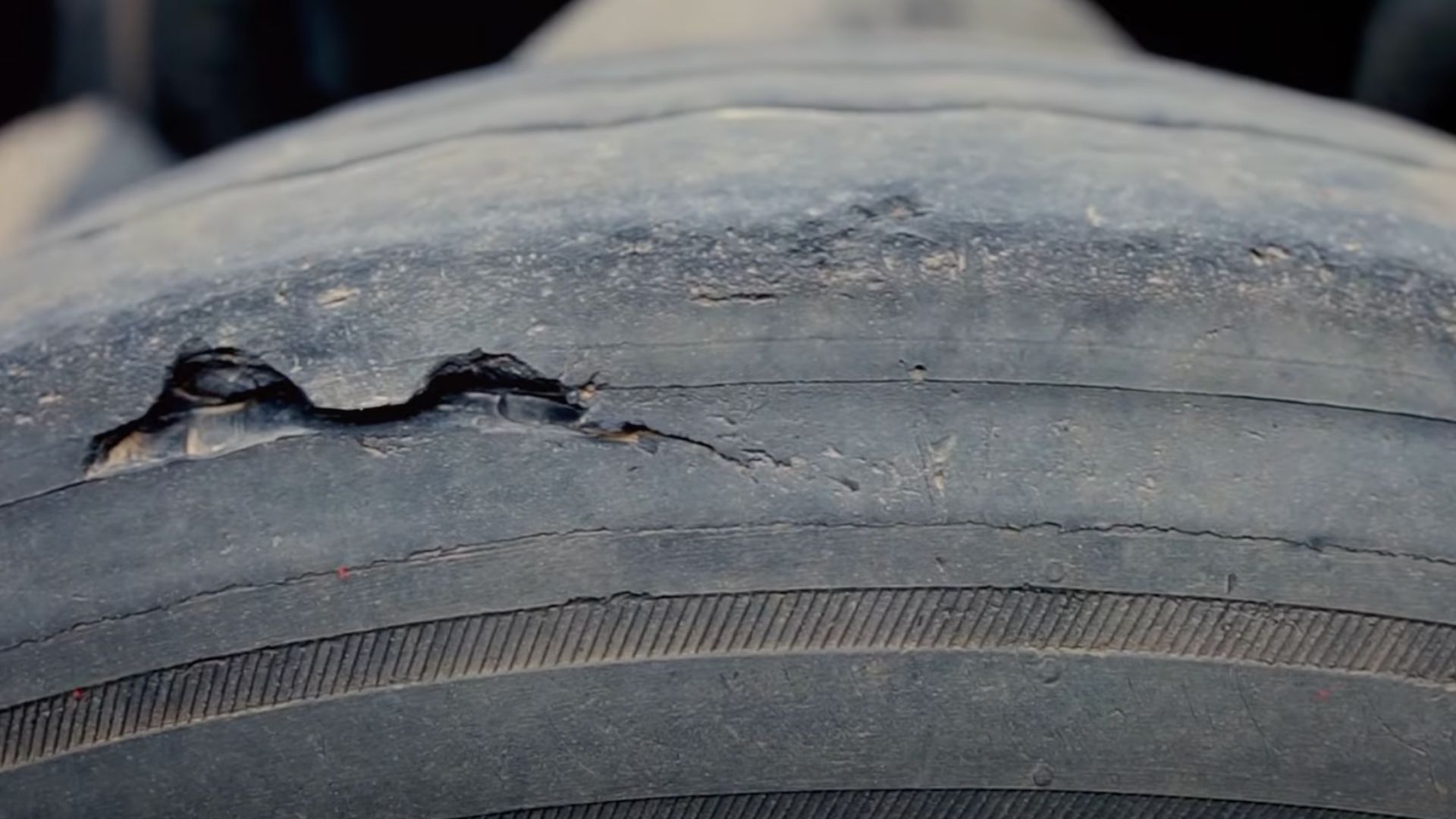
Tires are one of the most important parts of your car, yet they’re the thing drivers forget about until something goes wrong. Treat them right and they’ll last longer, ride smoother, and make your car safer and more fuel-efficient. This guide digs into the details — including a few tricks even veteran drivers miss — to help you squeeze every mile out of your tires.
1. Check your tire pressure (the right way)
Proper pressure is everything: underinflated tires wear unevenly, and overinflated ones are more likely to blow out. Here’s how to do it right:
- How often: Check at least once a month and before any long trip. Tires naturally bleed off about 1–2 PSI a month.
- Use a good gauge: Cheap gauges lie. Spring for a quality digital one for readings you can trust.
- Check them cold: Pressure climbs as tires heat up, so measure before you drive or after the car’s sat a few hours.
- Adjust for temperature: Pressure drops about 1 PSI for every 10°F the temperature falls. Check more often in winter and top off as needed.
2. Rotate them regularly
Rotating your tires keeps wear even, which matters because the front and rear tires get worn down in different ways.
- The schedule: Rotate every 5,000 to 8,000 miles, or whatever your owner’s manual says.
- Know the pattern: Different cars need different patterns — front-wheel-drive cars usually go in an X-pattern, while some all-wheel-drive setups call for a straight swap.
- Include the spare: Got a full-size spare? Rotate it in too. It keeps the spare fresh and stretches the life of all five tires.
3. Keep them balanced
Well-balanced tires ride smoother, cut down on vibration, and last longer by avoiding uneven wear.
- Balance at every rotation: Have them balanced each time you rotate, especially if you’re feeling vibration.
- Watch for the signs: Unbalanced tires shake, particularly at highway speed. Feel that buzz? Time to balance.
- Ask for dynamic balancing: It adds weights to both the inner and outer edges of the wheel — a more thorough job than single-edge (static) balancing.
4. Stay on top of alignment
Good alignment makes your tires meet the road at the correct angle, heading off premature wear.
- Check it yearly: Get an alignment at least once a year, or sooner if the car pulls to one side or the wheel shakes.
- After potholes and curbs: A solid hit can knock your alignment out. Get it checked right away if it happens.
- Go four-wheel: Even on a front-wheel-drive car, a four-wheel alignment improves handling and tire wear.
5. Ease off the sudden starts and stops
Aggressive driving eats tires alive.
- Accelerate smoothly: Jackrabbit starts stress your tires and wear them early. Smooth, gradual acceleration protects them and saves fuel.
- Brake gently: Hard stops grind down tread fast. Keep a safe following distance so you can slow down gradually.
- Use lower gears on hills: Engine braking on descents means less hard braking — which spares your tires too.
6. Watch your tread depth
Tread depth is what gives you traction, especially in the wet, and it’s the clearest sign of how worn your tires are.
- The penny test: Stick a penny into the tread, Lincoln’s head down. See the top of his head? Time for new tires.
- Get a tread gauge: For precise numbers, a tread depth gauge tracks wear. Most tires are unsafe below 2/32 of an inch, and winter tires should go at 4/32.
- Check every groove: Wear isn’t always even, so measure in a few spots across the tire.
7. Don’t overload the car
Pile on too much weight and you pile on tire wear — and blowout risk.
- Know your load limit: Check the sticker on the driver’s door frame for your car’s max load. Blow past it and you stress the tires and hurt handling.
- Spread the weight: If you haul heavy stuff regularly, balance the load across the vehicle so one side doesn’t wear faster.
- Don’t haul dead weight: Clear heavy junk out of the trunk if you don’t need it. A lighter car means less tire stress.
8. Store off-season tires properly
If you run separate winter or summer sets, storing the idle set the right way makes them last.
- Clean and dry them: Wash off road salt and grime before storage — both degrade rubber over time.
- Cool and dark: Sunlight and heat wreck tire rubber. Keep them somewhere dry and cool, away from heat sources and chemicals.
- Store them upright: Stand tires vertically rather than stacking them flat to avoid warping, especially if they’re on wheels.
9. Inspect for damage often
Small problems turn into big ones when you ignore them.
- Check sidewalls and tread: Look for cuts, cracks, or bulges in the sidewalls, and scan the tread for embedded rocks or nails.
- Take sidewall damage seriously: It’s especially dangerous — it can cause a sudden blowout. Replace any tire with sidewall damage immediately.
- Carry sealant for punctures: A tire sealant is a handy temporary fix that can get you to a shop.
10. Mind your driving habits and routes
Believe it or not, the roads you take and the way you drive make a real dent in tire wear.
- Skip rough roads when you can: Potholes, gravel, and rough terrain chew up tires. Avoid them where possible, or slow down to soften the hit.
- Go easy on tight turns: Sharp turns and U-turns grind the outer edges of your tires. Take them slow and wide when you can.
- Don’t kiss the curb: Parking too close scrapes your sidewalls. Leave a few inches of breathing room.
11. Use tire protectants — carefully
Rubber degrades over time, so a conditioner can help — but only if you use it right.
- Pick a non-greasy formula: Oil-based conditioners can leave tires slick and actually attract dirt. Go water-based and non-greasy.
- Don’t overdo it: Protectants fight cracking and fading, but overuse backfires. Apply only as directed and wipe off the excess.
12. Respect seasonal temperature swings
Temperature extremes hit both tire performance and lifespan.
- Run winter tires in the snow: They’re built for the cold and grip far better. All-season tires harden when it’s cold, which speeds up wear.
- Beware the heat: Hot pavement accelerates wear, especially on underinflated tires. In a heat wave, check your pressure more often to dodge blowouts.
13. Buy quality tires
Last one: quality matters. Cheap tires usually cost more in the long run because they wear out fast.
- Look at mileage warranties: Many premium tires come with them, which can soften the cost if they wear early.
- Match the tire to your driving: Buy for how you actually drive — if you log lots of highway miles, touring tires built for comfort and longevity are the move.
Follow these tips and you’ll stretch your tires’ life dramatically while saving real money. It comes down to three things: consistent maintenance, mindful driving, and buying smart in the first place. And it’s not just about getting your money’s worth — well-cared-for tires mean a safer, smoother ride for years.
Comments are closed.