
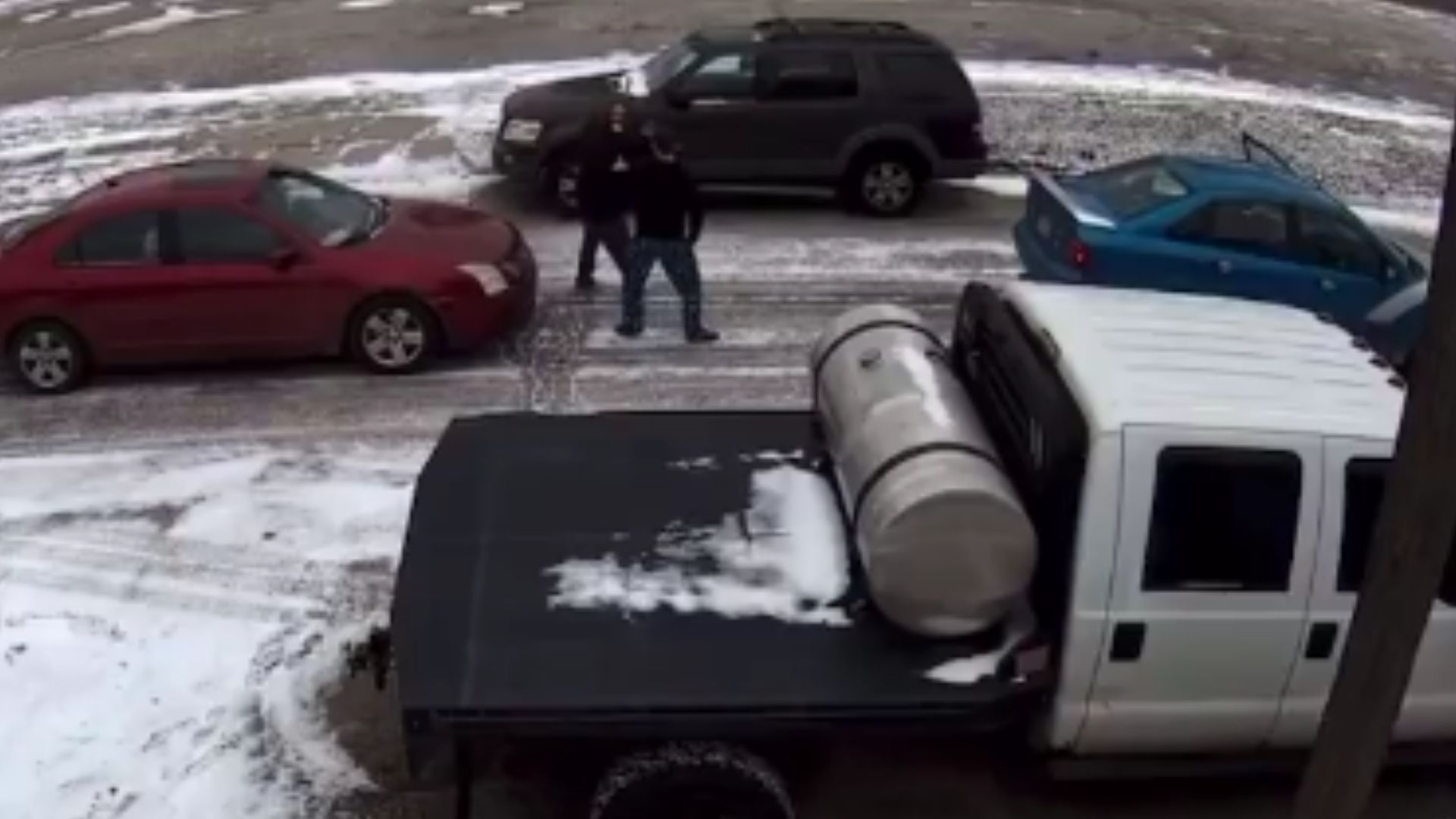
A road rage beating in Toledo, Ohio has spread widely across social media, but the viral attention has not translated into a police investigation, creating frustration among those who witnessed the footage and expected accountability to follow. The situation highlights the gap that sometimes exists between social media outrage and actual law enforcement action, as the factors that determine whether police pursue a case involve legal, evidentiary, and resource considerations that viral attention alone does not resolve. The lack of investigation despite the documented assault has generated criticism of the local law enforcement response.
The disconnect between viral documentation of apparent crimes and the actual pursuit of charges reflects the complex reality of how the criminal justice system processes incidents. Factors including whether a victim files a complaint, the availability of identifying information about perpetrators, jurisdictional questions, and competing demands on investigative resources all influence whether a documented incident results in action. For those who expected the viral footage to guarantee consequences, the absence of an investigation is a frustrating reminder that public attention does not automatically translate into legal accountability, and the case has prompted broader questions about the responsiveness of the local police to documented assaults.
Comments are closed.