
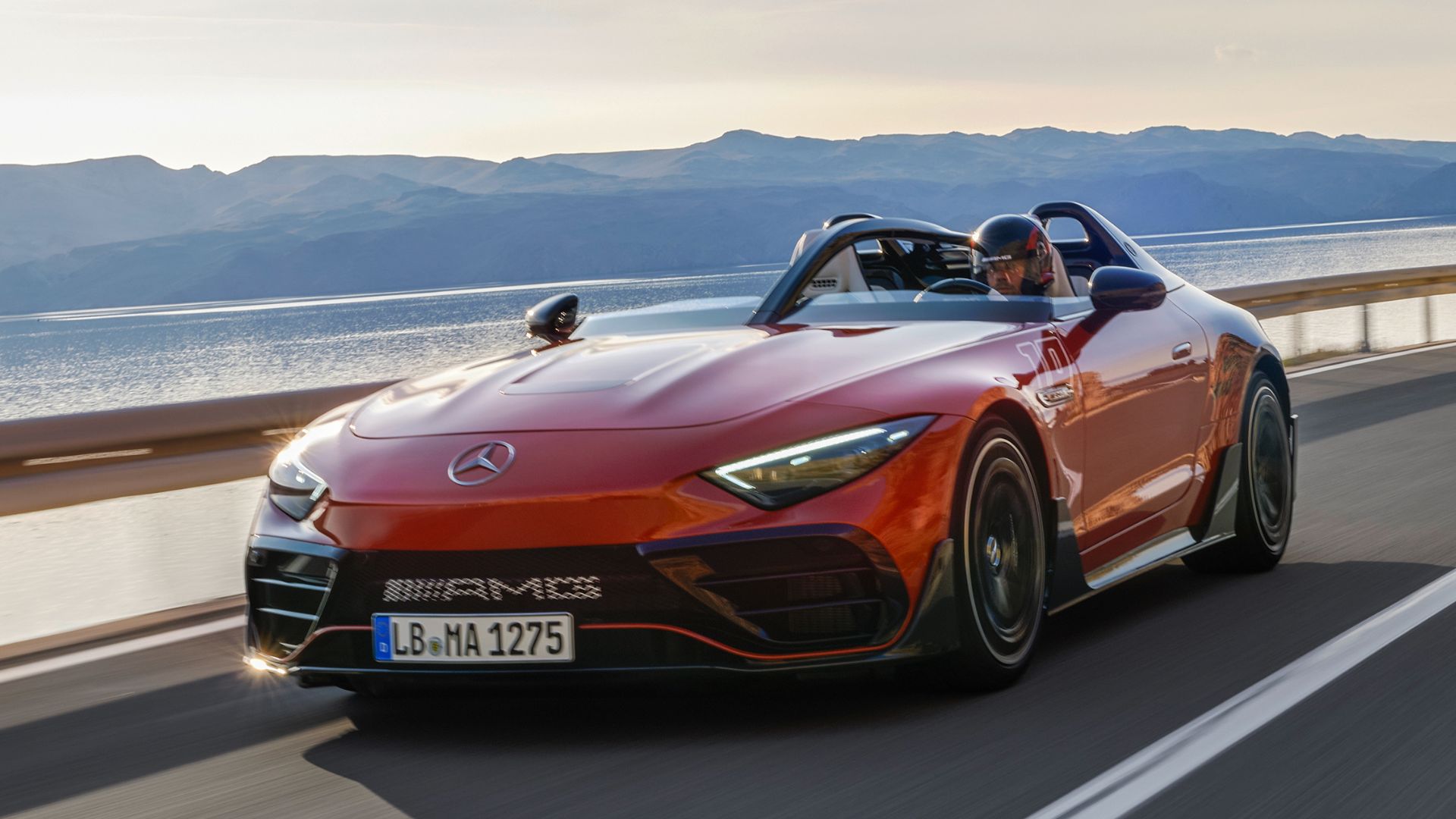
Mercedes-Benz has confirmed that artificial intelligence tools are now playing an active role in the design process for future vehicles, with AI being used to generate, evaluate, and refine design concepts in ways that are changing how the company’s designers work. The integration of AI into automotive design represents one of the more consequential adoptions of the technology in any traditional industry, as vehicle design has historically been a domain where human creativity and aesthetic judgment have been considered irreplaceable. Mercedes is framing the AI tools as augmenting rather than replacing human designers, expanding the space of concepts that can be explored and evaluated within a given development timeline.
The automotive design community has been watching the integration of AI tools with a mixture of fascination and anxiety, as the technology’s ability to generate vast numbers of design variations quickly changes the economic and creative dynamics of a process that has traditionally been slow and expensive. Whether AI-assisted design produces better vehicles from a consumer perspective, or whether it risks homogenizing aesthetics as multiple manufacturers draw on similar tools, are questions that will only be answered over the coming decade as the technology matures and its outputs begin populating showrooms. Mercedes’s transparency about its adoption of these tools sets an interesting precedent for the industry.
Comments are closed.