
Mazda wants credit today for making the highway shoulder a safer place. Read past the headline, and most of that credit belongs to two other companies, using technology that already existed, that only works if the driver behind you happens to be running the right app.
That’s not a knock on the idea. It’s a good idea. It’s just not the story Mazda is telling.
What Mazda Actually Announced
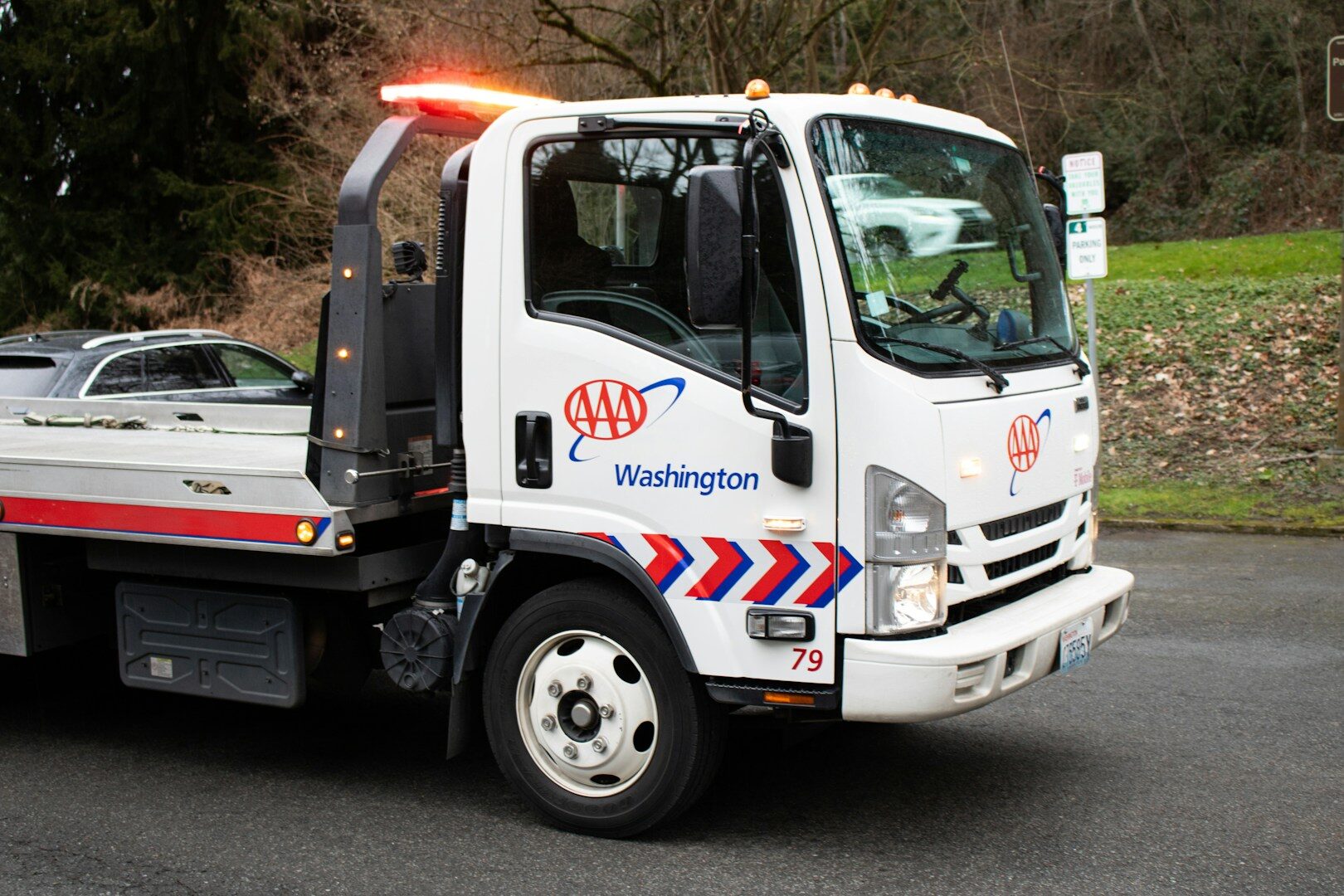
On August 27, Mazda North American Operations announced what it calls a safety collaboration with AAA and a Chicago-based connected-vehicle company called HAAS Alert. The mechanism is simple. A Mazda owner breaks down and calls for roadside help through the MyMazda app or a toll-free number. AAA dispatches a truck, same as always. But that same request now also triggers a digital Slow Down, Move Over alert. Nearby drivers, if their vehicle is linked to HAAS Alert’s Safety Cloud network or they’re using a supported navigation app, get advance warning that a disabled car is sitting on the shoulder ahead.
It targets a real hazard. Secondary crashes, where a stopped vehicle or the people around it get struck by oncoming traffic, are one of the more persistent and least-discussed dangers on American highways. Every state now has some version of a Move Over law on the books specifically because of this. NHTSA recorded 39,254 traffic deaths in 2024, and a share of the fatalities counted as non-occupants are people who were standing outside a car they assumed was safely out of the way.
The Sentence Buried Near The Bottom Of The Press Release
Here’s what gets lost in the announcement. HAAS Alert’s Safety Cloud network isn’t new, and it isn’t Mazda’s. In the company’s own description, it already partners with “leading automakers, public safety agencies, transportation departments, and fleet operators” across North America and Europe. Mazda is a new customer plugging into an existing system. It didn’t co-engineer a new one.
That distinction matters more than it sounds. Mazda isn’t adding sensors here. It isn’t writing new crash-avoidance code. It isn’t doing anything that would show up in a patent filing or an engineering budget line. It’s connecting its existing roadside-assistance phone tree to a cloud alert service it now pays to use. The automaker’s own 2026 CX-5 recently earned an IIHS Top Safety Pick+ award through actual structural and software engineering. This announcement isn’t that kind of story. It’s a licensing deal dressed up as one.
Why The Industry Ended Up Here
For two decades, Washington’s answer to this exact problem was supposed to look different. Back in 1999, the FCC set aside dedicated radio spectrum in the 5.9 GHz band so cars could eventually talk directly to each other, no cell towers or subscriptions required, under a standard known as DSRC. Then, in November 2020, the FCC reallocated most of that spectrum to unlicensed WiFi use, effectively ending the dedicated vehicle-to-vehicle radio project before it ever reached a mainstream showroom.
What Mazda, AAA and HAAS Alert are doing now is the industry’s workaround for a federal promise that quietly evaporated. Push warnings through cellular data, infotainment systems and phone apps instead of a dedicated safety radio band. It works, but only inside the walls of whichever commercial network a car happens to be connected to. No compatible connected-services plan means no alert. No supported map app open means no alert either. The car-to-car safety of 2026 runs on data agreements between companies, not a universal standard any automaker can simply build a car to meet.
A Century-Old Irony
AAA didn’t start out as a roadside-assistance club. It was founded in 1902 as an advocacy group of early motorists pushing state governments to pave roads and improve safety, decades before tow trucks, membership cards, or insurance bundles existed. More than a hundred years later, AAA is effectively back in the road-safety-advocacy business. It’s just automated now. A stalled-car phone call becomes an instant, machine-issued warning to strangers, instead of years of testimony in a statehouse.
AAA is also several things at once: an insurer, a travel agency, a lobbying group, and now a data node in somebody else’s alert network. That overlap of safety messaging and commercial interest isn’t unique to AAA. It’s the same dynamic worth remembering with the insurance-funded IIHS whenever a safety statistic shows up attached to a press release.
Who Actually Benefits
The stranded Mazda driver benefits, provided nearby drivers happen to be connected. AAA’s roadside technicians, who face genuine risk of being struck while working feet from live traffic, benefit the same way. Mazda benefits too, and cheaply. A feature like this costs no new tooling, no additional hardware line, and no crash-testing budget. It buys a safety headline for the price of a vendor contract, the same low-cost logic that has made connected-services subscriptions and software gating an increasingly large part of what automakers charge for after the sale, in ways already reshaping repair costs and insurance claims industry-wide.
What the feature doesn’t do is apply evenly. Mazda’s own release limits the feature to vehicles enrolled in its 24-hour emergency roadside assistance program, meaning it’s gated by trim and subscription status, not standard across the lineup. Buy the base car without that service active, and you’re on the shoulder with exactly the protection you had last week: none beyond a hazard light.
What To Remember
The real point isn’t the alert on the dashboard. It’s the agreement that let Mazda plug into somebody else’s network without building anything new. That’s a reasonable business decision. It is not an engineering breakthrough, and dressing it up as one obscures the more interesting story: American car safety increasingly gets delivered through corporate integration deals, not the government-mandated technology standard regulators promised for twenty years.
Remember that the next time an automaker announces a safety collaboration. Increasingly, the safety isn’t being engineered. It’s being licensed.