
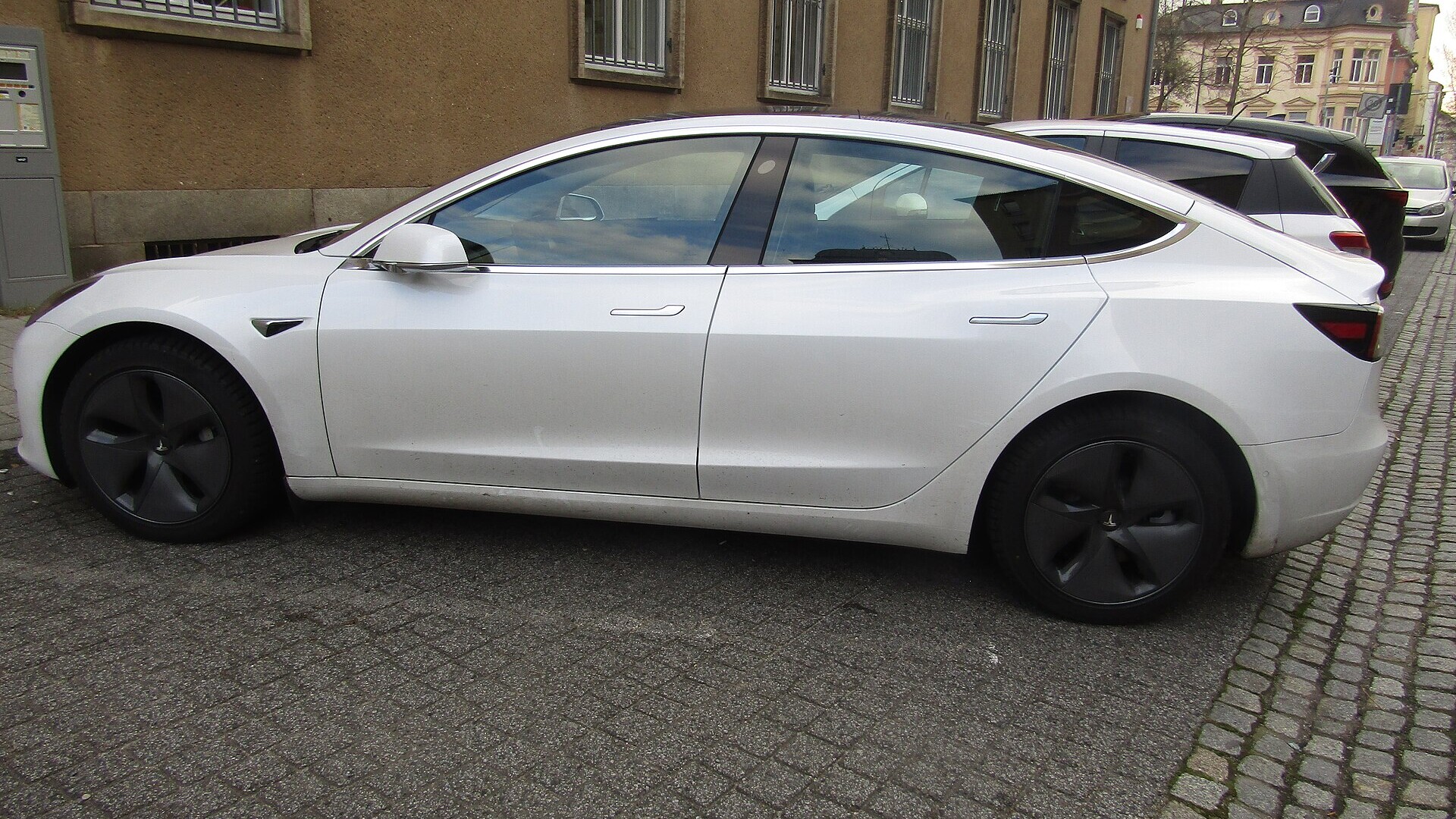
A federal lawsuit filed in California accuses Tesla, Hertz and Uber of helping Tesla monopolize the electric-vehicle market, and it leans on Hertz’s 2021 order of 100,000 Teslas, the same EV fleet Hertz later began selling off at a loss, Law360 reported on Nov. 17.
Everything here about the suit’s claims comes from that report. The Auto Wire could not obtain the complaint, so the plaintiff, case number and judge are not confirmed, and no court has ruled on any claim. According to Law360, the suit says Tesla abused government EV subsidies so Hertz could buy Model 3s below “average variable cost,” and that this locked rival EV makers out of rental and ride-hailing platforms, with Hertz and Uber helping. Law360’s headline puts the fleet deal at $4.2 billion.
The Uber side, from Hertz’s own announcement
Hertz’s press release of Oct. 27, 2021 is the public record of the Uber arrangement. It describes a new exclusive partnership to make up to 50,000 Teslas available by 2023 for drivers to rent when using the Uber network, with rentals starting Nov. 1 in Los Angeles, San Francisco, San Diego and Washington, D.C. The release refers back to the order Hertz had announced two days earlier, an initial 100,000 Teslas by the end of 2022. Hertz was the rental provider in the program, so a driver renting a Tesla through it had one source.
The release gives no dollar figure for the rental rate. It lists a preferred weekly rate that covers insurance, basic maintenance and unlimited miles, plus Uber’s Green Future program, which offers drivers who switch to EVs an extra $1 per trip, up to $4,000 a year. Both come from the companies, not from a government program.
The cost test behind a below-cost claim
Pricing below average variable cost is the language of predatory-pricing law. Under the Supreme Court’s 1993 decision in Brooke Group v. Brown & Williamson Tobacco, a plaintiff has to prove two things: that the prices were below an appropriate measure of the seller’s costs, and that the seller had a reasonable prospect of recouping what it lost by charging them. The Court reasoned that without recoupment, below-cost prices mean lower prices across the market, and buyers come out ahead. The claim in that case also turned on prices below average variable costs.
For a rental company buying 100,000 cars in one order, a low price is not an antitrust claim by itself. The plaintiff also has to show how the seller earns the money back, which usually means rivals pushed out and prices raised later. Law360’s summary describes the below-cost half. Whether the complaint pleads recoupment is a question for the filing itself.
Which subsidy, and when
The summary does not say which subsidies the suit means, and the dates narrow the field. Under IRS Notice 2018-96, Tesla’s federal consumer credit under Section 30D fell to $3,750 on Jan. 1, 2019, to $1,875 on July 1, 2019, and to zero on Jan. 1, 2020. A Model 3 bought in 2021 carried no federal 30D credit. The federal credit for businesses that buy clean vehicles, Section 45W, applies to vehicles acquired after Dec. 31, 2022, according to IRS Notice 2023-9, and tops out at $7,500 for vehicles under 14,000 pounds. Hertz’s release said the initial order would arrive by the end of 2022. Which program the suit rests on, and which purchases it covers, could make or break the subsidy theory. Only the complaint answers that.
What Hertz’s filings show about the cars
In a January 2024 SEC filing, Hertz said it would sell about 20,000 EVs from its U.S. fleet, about one-third of its global EV fleet, and recognize about $245 million of incremental net depreciation expense in the fourth quarter of 2023. In its first-quarter 2024 earnings release, Hertz said it had raised the plan by 10,000 vehicles, to 30,000, and took a $195 million charge for EVs held for sale and those sold in the quarter. A later quarterly filing says the sales were substantially complete as of Dec. 31, 2024.
Those figures measure what the cars were worth at resale, not what Hertz paid for them, so they neither prove nor disprove a claim about the purchase price. They do put the alleged beneficiary of below-cost pricing on the losing end of the resale. Hertz is also defending a securities class action filed in July over its statements on liquidity and fleet economics.
What happens next
Under Federal Rule of Civil Procedure 12(a), a defendant generally must answer a complaint within 21 days of being served, or 60 days if it waived formal service. The portion of Law360’s report available to The Auto Wire does not say what relief the plaintiff wants. No public response from Tesla, Hertz or Uber to the allegations was available as of Nov. 19.
Hertz bought 100,000 cars in one order. When does a fleet discount stop being a good deal and start being an antitrust problem?