
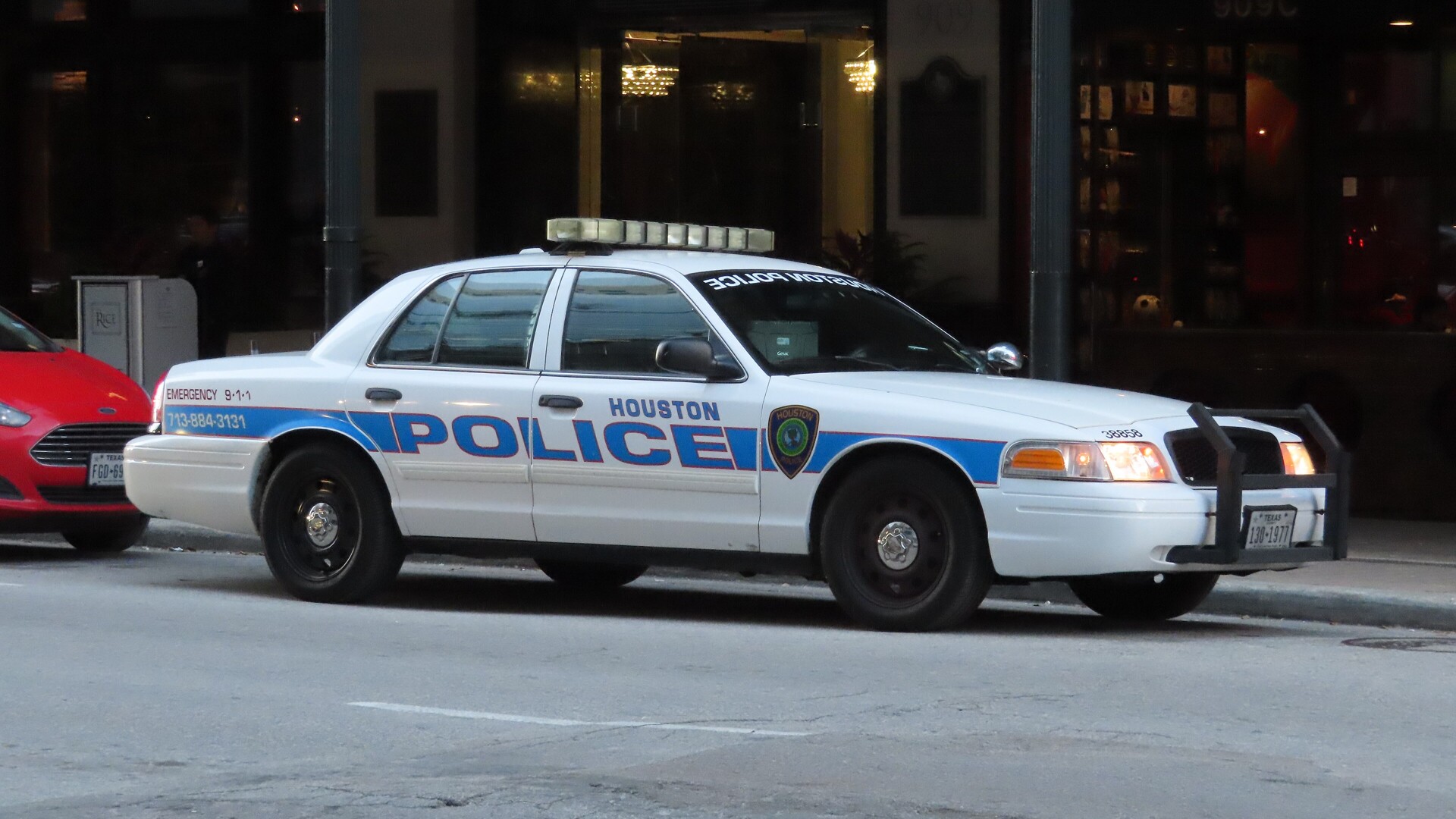
A Houston Police Department officer answering a burglary call hit Kimberly Ezike’s car from behind on Harwin Drive near Gessner Road on Aug. 26, 2024, and the city has since cited immunity under Texas law to deny her claim for her medical bills and her car.
The car was sold at HPD’s auction for $10, according to an investigation by ABC13 in Houston published Nov. 13, 2026, even though city documents list it as repairable. Ezike told the station she never considered the car abandoned and was waiting to pay the storage fee. She said her mother’s ashes, clothing and housewares were inside. HPD told ABC13 it notified her that the car was being treated as abandoned and gave her a deadline to pick it up.
Texas law explains both outcomes, and neither depends on whether the officer made a mistake. HPD disciplinary records that ABC13 obtained show the officer received a one-day suspension for failing to use caution in the crash. The Texas Supreme Court has twice dismissed suits against Houston over police crashes where the evidence showed, at most, carelessness.
The crash report and the city’s defense
ABC13 reported that a TxDOT crash report shows Ezike saw the officer’s flashing lights and thought she was being pulled over, slowed down, and then realized he was trying to get around her. She turned toward a parking lot to get out of his way, and the report says he hit her before she got there. The impact pushed her car over a curb and into an electrical pole, and she broke her leg. Ezike told the station the officer hit her at a high rate of speed.
The city’s legal department denied her claim because the officer was responding to a burglary call, ABC13 reported. The city also pointed to her statement that she saw the lights, a detail that appears in the crash report as well.
Why fault is not the test in Texas
The Texas Tort Claims Act lets a person sue a city for injuries and property damage caused by an employee’s negligent use of a motor vehicle (Civil Practice and Remedies Code § 101.021). Section 101.055(2) then withdraws that permission for claims arising from an employee responding to an emergency call, as long as the employee followed the laws that govern emergency action or, where no such law applies, did not act with conscious indifference or reckless disregard for the safety of others. For police driving, Transportation Code § 546.005 says emergency drivers are not relieved of the duty to drive with “appropriate regard for the safety of all persons” or of the consequences of reckless disregard.
The Texas Supreme Court has read those provisions to require recklessness, which it treats as more than a momentary lapse in judgment. In City of Houston v. Green, decided June 30, 2023, the court dismissed a driver’s suit over a collision with an HPD officer on a priority-two call. It held that evidence of a failure to use due care, including the officer’s own concession, did not amount to recklessness. In City of Houston v. Gomez, decided June 20, 2025, an HPD officer reached down to adjust his radio, looked up to a yellow light, braked, slid into the intersection and hit Gomez’s car. His department reprimanded him for being at fault. The court called that, at most, ordinary negligence, dismissed the claim, and restated that the person suing carries the burden of showing the exception does not apply.
That makes the one-day suspension in Ezike’s case worth less in a courtroom than it sounds. A finding that an officer failed to use caution is a negligence finding, and negligence is what the emergency exception forgives. ABC13’s reporting does not say whether the records bear out the speed Ezike described, and no lawsuit has been reported. That reading of the law is The Auto Wire’s, not a ruling in her case.
If immunity does not apply, the Act caps what a person can collect from a city at $250,000 per person and $500,000 per occurrence for bodily injury and $100,000 per occurrence for property damage (§ 101.023(c)), and it does not authorize exemplary damages. The city must also receive notice of a claim within six months of the incident, or within the period a city charter sets (§ 101.101).
How a car gets sold for $10
The auction followed a second set of rules, in Chapter 683 of the Transportation Code. When a law enforcement agency takes custody of a car, or a storage lot reports one as abandoned, the agency must send the registered owner a notice by certified mail within 10 days. Section 683.012 requires the notice to say where the car is held, to give the owner until the 20th day after the date on the notice to claim it by paying the towing and storage charges, and to warn that failing to claim it waives all rights in the car and consents to its sale at public auction.
Sale proceeds go first to the storage facility’s towing, storage and notice charges. The agency keeps 2 percent of the gross, or all of it if the sale brings less than $10, and any surplus is distributed under § 683.015 (§ 683.034). ABC13 did not report whether any of the $10 reached Ezike or what her tow and storage charges were.
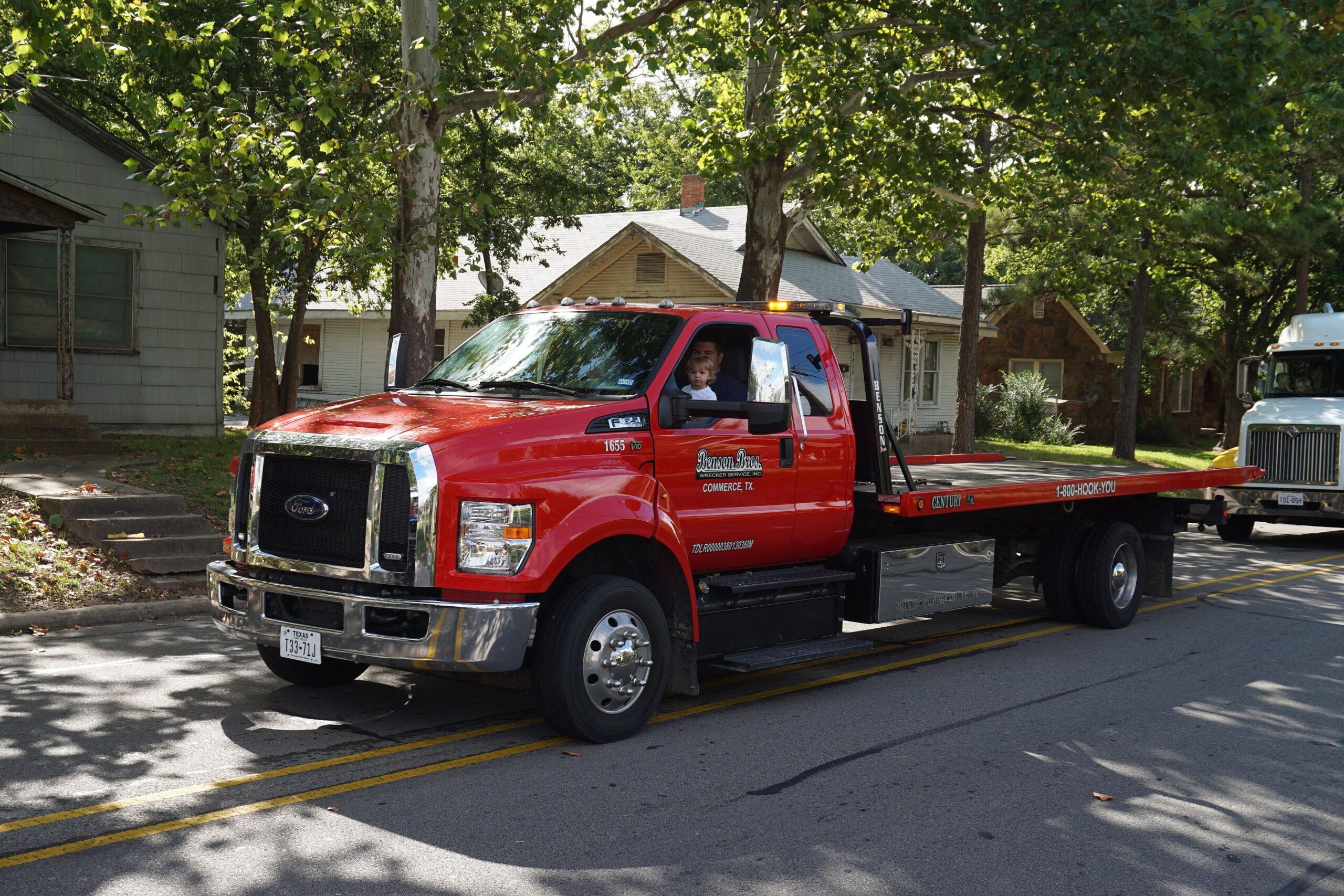
The statute starts the abandonment clock with the mailed notice, not with whether an injury claim is pending. Ezike says a city adjuster told her the car was still being used in the investigation, while HPD says it notified her and set a deadline. The notice and its mailing date are not in ABC13’s published reporting, and I did not obtain them. ABC13 reported that the sale came less than two months after the crash and fit HPD’s policy on auctioning abandoned vehicles, which squares with a 10-day mailing window and a 20-day claim period. Every state writes its own tow-and-fine rules, like this Maryland law on out-of-state plates.
One claim in a larger pile
ABC13 found that Houston has paid about one in four property-damage or injury claims made against HPD since 2024, and that the legal department’s records do not explain why a claim is denied. A University of Houston student’s car was hit by police gunfire and her claim was denied too, until media attention led the city to give her a new car, ABC13 reported. Mayor John Whitmire said Sept. 24 that the city had apparently followed a general rule of declaring immunity and was going through about 300 claims. The legal department has since told ABC13 it is reviewing 2,000 claims dating to July 2023, and that it has not reversed any denial.
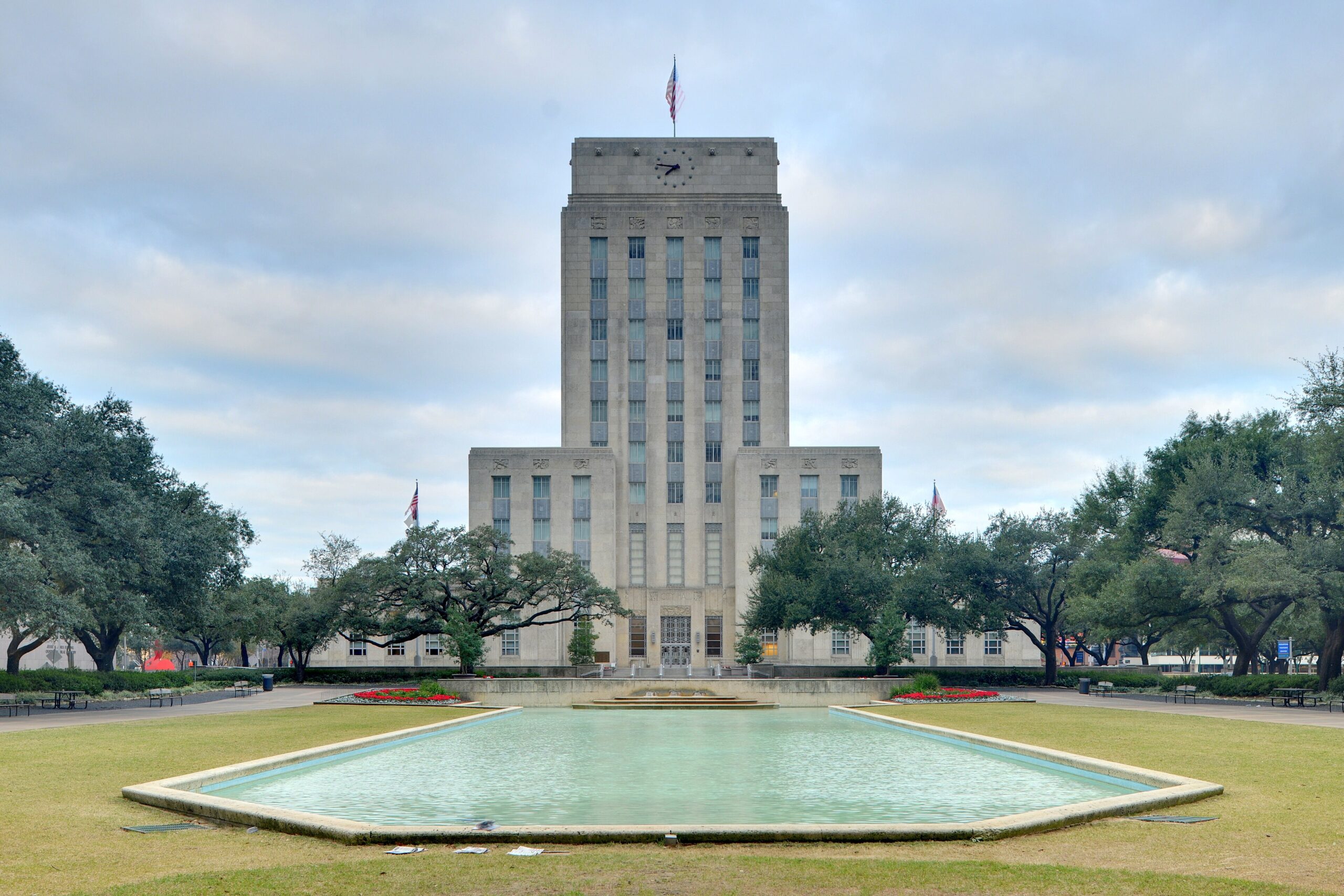
The pattern predates the review. Using Houston Chronicle data from the city’s legal department, ABC13 reported in August that lawsuits by drivers who say on-duty HPD officers hit them rose 71 percent from 2021 through 2025, and that the city paid nearly $2.2 million over those years, mostly on property-damage claims. Álvaro Ortiz, director of Whitmire’s Office of Communications, said the legal department defends each case under Texas law as the Legislature wrote it and the Texas Supreme Court has interpreted it, and files motions to dismiss where immunity has not been waived.
What happens next
The city’s claims review is the only open thread in the reporting. Ezike told ABC13 she believes her claim should be one of those reviewed, and the city has said only that it is reviewing claims back to July 2023. ABC13 did not report a lawsuit, a hearing date or a council vote tied to her case.
For a Texas driver in her position the law sets two clocks that run separately: six months for notice of a claim against the city, or whatever period a city charter sets, and 20 days from the date on a mailed abandonment notice to reclaim the car. One governs money for the crash and the other governs a car sitting in a lot, and a missed second deadline can end the car’s story while the first claim is still alive.
A one-day suspension says the officer wasn’t careful enough. Texas law says that isn’t enough to make the city pay. Where would you draw the line?