
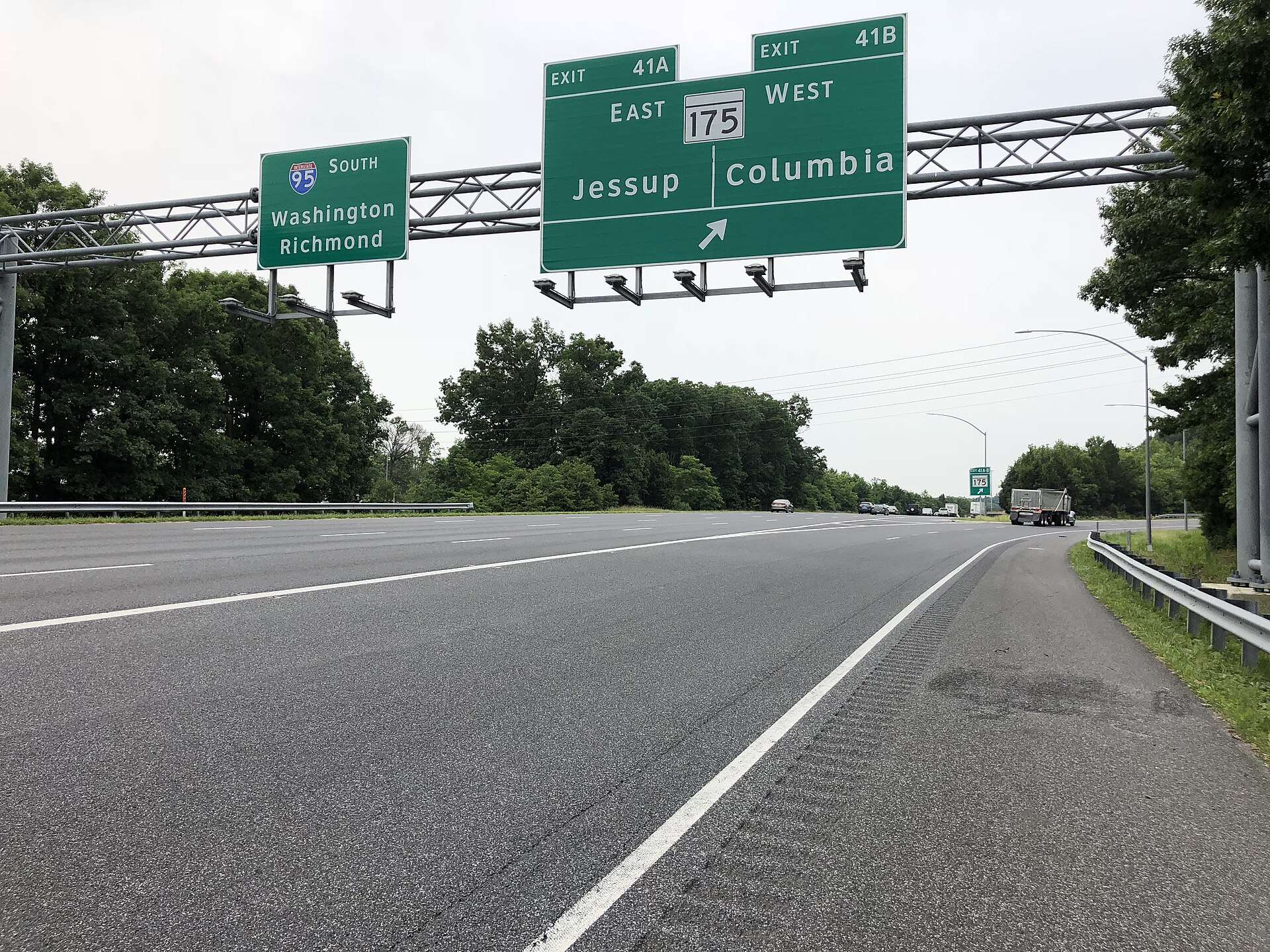
A federal judge in Milwaukee ruled on Oct. 29 that a Marquette County, Wisconsin, deputy unlawfully extended a traffic stop on Interstate 39 by 17 seconds so a drug dog could finish its work, and that the deputy cannot claim qualified immunity in the driver’s lawsuit.
U.S. District Judge J.P. Stadtmueller of the Eastern District of Wisconsin granted the driver partial summary judgment on liability in Burnside v. Marquette County, No. 2:25-cv-00195, which names Deputy Brendan Cutrell. The order leaves one question for trial: how much Cutrell owes in damages.
The stop, by the clock
The stop dates to December 2023. Cutrell pulled the driver over on I-39 and wrote citations for speeding and window tint. The timestamps in the order show the dog beginning its inspection of the car at 10:57:16 p.m., while Cutrell was still talking with the occupants. He finished delivering and explaining the citations at 10:57:24 p.m. The dog alerted at 10:57:41 p.m., and Cutrell kept the occupants there until it did.
The Auto Wire’s arithmetic from those times: the sniff ran 25 seconds in all. Eight of them fell inside the time the citations were still being handled. The other 17 came after the citations were finished, and those are the seconds the court counted against the deputy.
Officers then searched the car and found a pistol, ammunition, an open bottle of whiskey, and a bag of material that later tested positive for THC. State charges were dropped after a suppression motion succeeded, and the driver sued Cutrell and the county in February 2025 under 42 U.S.C. § 1983.
Where the Supreme Court drew the line
The rule the judge applied comes from Rodriguez v. United States, decided in 2015. The Supreme Court held, 6–3, that police may not add time to a traffic stop to walk a dog around a car unless they have reasonable suspicion of a crime beyond the traffic violation. The officer in that case issued a warning and then waited about seven or eight minutes for a second officer before the dog alerted. A federal appeals court had called that delay too small to matter, and the Supreme Court disagreed. Its test asks whether the tasks tied to the traffic violation are, or reasonably should have been, finished. It does not ask how long the extra time was.
A dog sniff during a lawful stop is not by itself a search under Illinois v. Caballes, decided in 2005, so a sniff that adds no time is fine. That makes the clock the whole case. Stadtmueller held that the sniff prolonged this stop once the citations were handed over and the occupants were told they could not leave.
A list of ordinary facts
With the stop extended, the deputy needed reasonable suspicion of something beyond speeding and tint, and his side of the case rested on what he saw: the speeding and the tint, the smell of cologne, the occupants’ apparent nervousness, where they had come from, and the route they were taking. The judge gave those facts minimal or some weight each and found that a list of innocent facts did not add up to reasonable suspicion. Cutrell also acknowledged that he did not believe he had reasonable suspicion of impaired driving.
What the search turned up did not rescue the stop. A court asks whether the officer had a lawful basis to hold the car at the moment he held it, and the evidence that follows an unlawful extension is judged by that moment.
Immunity, the county, and what comes next
Qualified immunity shields officers from damages unless they violated a right that was clearly established when they acted. Stadtmueller found the right clearly established by December 2023, relying on Rodriguez and the Seventh Circuit’s 2018 decision in United States v. Rodriguez-Escalera, while acknowledging that the facts of those cases differ from Cutrell’s in some ways. Marquette County is a defendant only for indemnification, and the suit asserts no municipal liability claim.
The order binds only this case, though the Supreme Court rule underneath it binds every federal court. In Bexar County, Texas, a federal jury applied the same Fourth Amendment limits to a stop that ran 76 minutes and awarded the Houston-area driver $76. Stadtmueller’s order sets no dollar figure, and a trial date had not been reported. Denials of qualified immunity can generally be appealed to the Seventh Circuit before a trial begins.
As the court applied it, the law lets an officer run a dog around a car while the ticket is being written and requires reasonable suspicion to keep the car once the ticket is done. A deputy has handed over the citations and the dog is still working: should the stop end right there, or is a few extra seconds a reasonable cost of enforcement?