
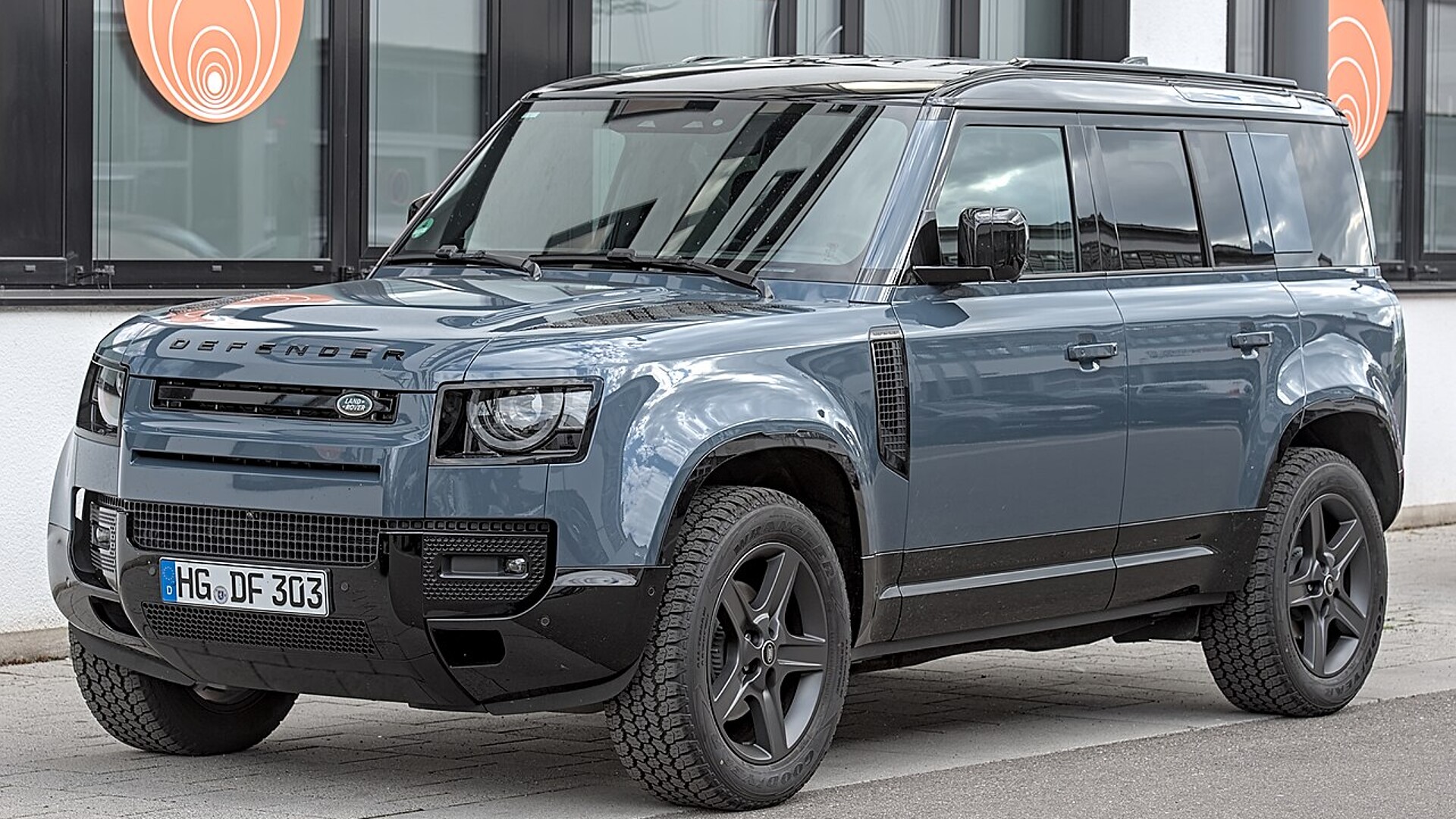
A judge in The Hague has ordered Jaguar Land Rover to destroy the seized BYD files its bailiffs copied in August, provisionally finding that a Ti7 not yet on sale in the EU has caused JLR no damage.
The interim-relief judge of the Hague District Court, H.F.R. van Heemstra, gave the ruling on Nov. 11 and published a corrected version on Nov. 12 that fixed a clerical error in the cost order, which had put the bill on BYD instead of JLR. The claimants were BYD Nederland B.V. and BYD Europe B.V.; the defendant was Jaguar Land Rover Limited, which the judgment shortens to Jaguar.
What the judge ordered
The judge lifted the evidence seizure and ended the court-appointed custody of the data. JLR must instruct the bailiff or custodian, within 24 hours of being served with the ruling, to destroy the data so that no one except BYD retains it, and must hand BYD written proof within 24 hours after the destruction. Missing those deadlines costs €50,000 per hour, capped at €500,000. Separately, JLR must stop enforcing a €500,000 penalty claim against BYD, on pain of €500,000 per enforcement act, and pay BYD’s costs of €25,376.57. The order is enforceable immediately, and the judge labels the findings provisional because this was an expedited interim proceeding and not the main case.
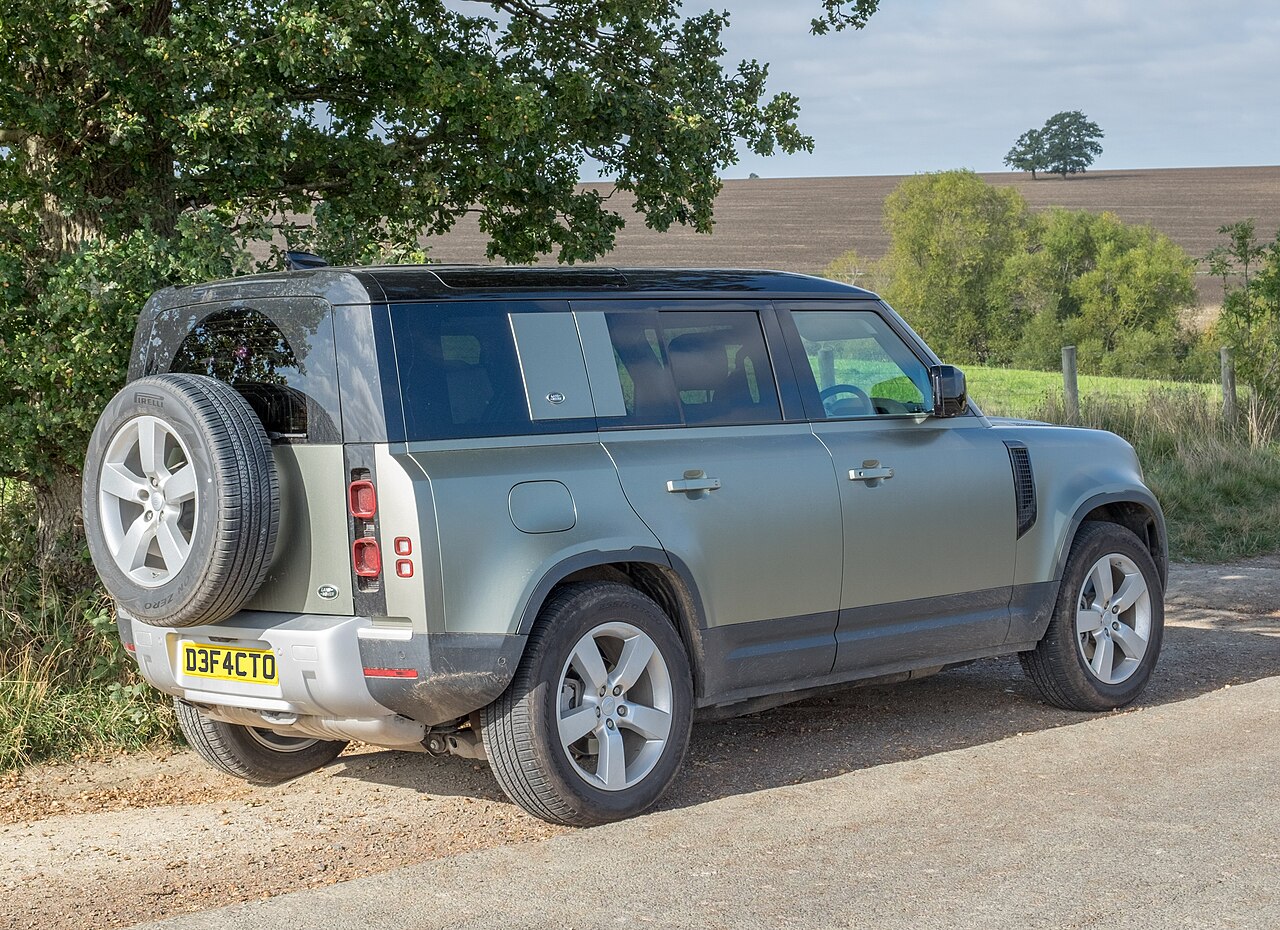
The seizure began with a permit the same court granted on Aug. 14. It let JLR copy BYD data dating from Aug. 1, 2025 that matched search terms including Ti7, Defender, Land Rover and L663, on the strength of alleged infringement of JLR’s EU designs for the Defender. Bailiffs executed it on Aug. 24 at BYD Europe in Schiedam and BYD Nederland in Hoofddorp. The permit’s categories ran from CAD files, clay-model photographs and documents comparing the Ti7 with the Defender to investment proposals, supplier agreements, margin analyses and correspondence with contract manufacturers. BYD called that a “fishing expedition.” The judge did not rule on that description, because the seizure fell on other grounds.
Why the seized BYD files had to go
Under Article 705(2) of the Dutch code of civil procedure, a seizure of this kind is lifted when it is clearly unnecessary or when the claim behind it is clearly unsound. The judge found the seizure unnecessary for proving infringement, because JLR’s own petition did not say it needed the seizure to substantiate the alleged infringement of its Defender designs. That fits how design claims work, in The Auto Wire’s reading and not the court’s: EU design law asks whether the accused product leaves an informed user with a different overall impression, and a finished vehicle can be inspected, measured and photographed without anyone’s laptop.
JLR’s second reason was to establish how large the infringement was and what damage it caused. The judge noted that it was undisputed that BYD is not offering the Ti7 in the EU, and that BYD has sold none there, so the threatened infringement could not yet have caused JLR any damage. JLR argued that it would still need the data if a later infringement claim won an order forcing BYD to disclose its sales. The judge answered that Article 194 requires an existing legal relationship, and that the possibility of one arising from future infringing acts is not enough. The court therefore found the damage claim clearly unsound, which lifted the seizure and, by operation of Article 860(2), the custody too.
The judgment also records an Oct. 8 Instagram video in which BYD Europe’s chief executive said the Ti7 had arrived in the UK. The UK is outside the EU, so that launch does not change the analysis of EU designs the court applied.
The €500,000 penalty claim
The seizure permit carried its own clock: if BYD failed to cooperate and two hours passed after a bailiff’s request, a penalty of €50,000 per hour would run, up to €500,000. JLR’s Sept. 4 letter demanded the full amount, citing late access to IT systems, problems with Microsoft’s Purview tool, inadequate access to WeCom messages, and insufficient response to requests from the bailiff and DigiJuris, the IT firm working with him. The judge took the complaints one at a time and found for BYD on each, provisionally.
The duty to cooperate depends on where the data sits. The judge relied on the 2013 Supreme Court ruling the judgment cites: when a bailiff finds a device holding protected files, the bailiff can take the device, so no cooperation duty arises, but when there are reasonable grounds to think files are stored elsewhere, such as in the cloud, the seized party generally must open them to the bailiff.
Applied here, the bailiff asked at 12:20 p.m. for four BYD Europe employees to bring their laptops, and they arrived at 3:10 p.m.; the judge held that the duty does not cover how quickly physical devices are produced. The network storage drive in Hoofddorp was a local physical drive the bailiff could simply remove. Microsoft 365, reached through Purview, was a cloud service and the duty applied, but the judge found it not plausible that BYD Nederland’s IT employee could grant access alone, and a Chinese IT employee did so at 5:15 p.m. A lockout between Aug. 27 and early afternoon Aug. 28 did not count either, since DigiJuris still had access to the data and BYD restored full access shortly after. WeCom, Tencent’s business messaging service, runs on external servers, and BYD handed over the logins. Those logins did not allow the messages to be exported, and the judgment notes that with end-to-end encryption only the end user can read or extract them, so the technical impossibility was not BYD’s responsibility.
The claim failed for a simpler reason as well. The bailiff’s records describe the day hour by hour but do not show that anyone told BYD, at a specific moment, what it had to do and by when. The judge cited the Dutch seizure guidelines, the Beslagsyllabus, for the rule that a penalty only accrues after the party has been told what cooperation is expected within what reasonable period.
On costs, BYD itemized €60,917 in lawyers’ fees before VAT. The judge applied the indicative IP-case tariffs of February 2026, which cap an ordinary interim proceeding at €18,000, and added a €7,062 court fee, €125.57 in bailiff costs and €189 in follow-up costs to reach €25,376.57. About €42,900 of BYD’s billed fees stay with BYD.
What the ruling leaves open
The ruling decides nothing about whether the Ti7 copies the Defender. According to the judgment, JLR has an interim-relief case in The Hague over design rights (C/09/712003) and a case in Rotterdam over copyright and slavish imitation (C/10/725869), and in both it seeks an injunction plus access to the data the seizure covered. The judgment does not say what happens to that access request once the files are destroyed.
The reasoning also turns on the absence of EU sales. If BYD launches the Ti7 in the EU, that fact changes, though the judgment does not address what JLR could seek afterward. The Hague and Rotterdam proceedings are where the Defender question gets answered, and the judgment does not say whether JLR will appeal this one.
Should a carmaker be allowed to search a rival’s files over a model that is not yet on sale in its market, or should it have to wait until the copy reaches showrooms?