
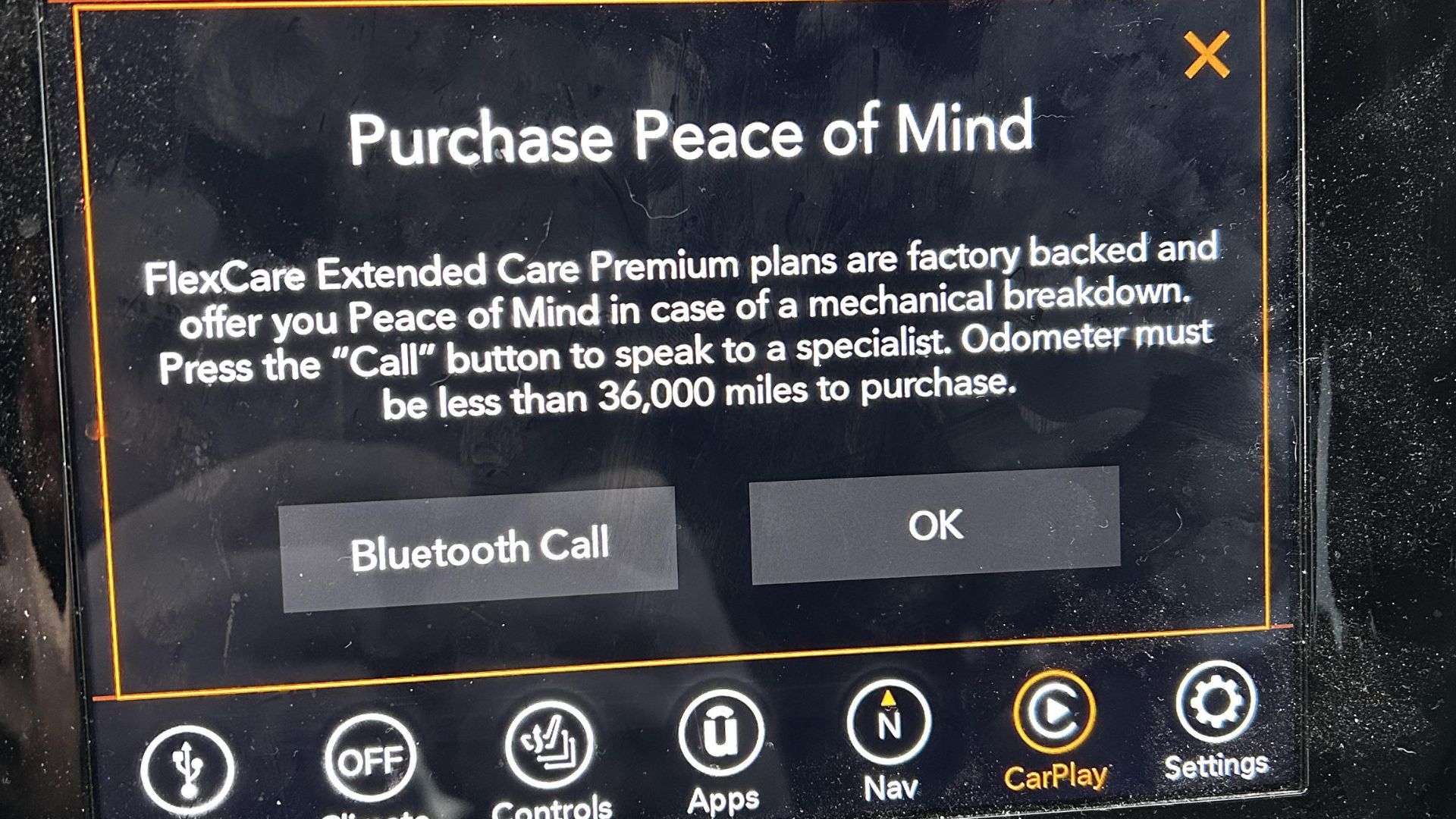
Owners of Dodge, Ram, and Jeep vehicles are expressing mounting frustration with the practice of serving pop-up advertisements through the vehicles’ infotainment screens, a practice that many customers find both intrusive and incompatible with the premium positioning that Stellantis brands aspire to. The in-vehicle advertising model represents part of the broader industry trend toward monetizing connected vehicle technology through subscription services and targeted content, but the implementation in Stellantis vehicles has been poorly received by an owner base that already has a complicated relationship with the company following a period of quality issues and dealer service problems.
The backlash against in-vehicle advertising is not unique to Stellantis, with multiple manufacturers having faced similar criticism from owners who object to their vehicle’s screen becoming a advertising medium while they’re trying to focus on driving. The argument that advertising-supported connected services help offset the cost of developing sophisticated infotainment systems has not resonated with customers who feel they have already paid sufficiently for the technology through the vehicle purchase price. Some owners are exploring technical methods to suppress the unwanted content, while others are making it a factor in their next vehicle purchase decision.
Comments are closed.