
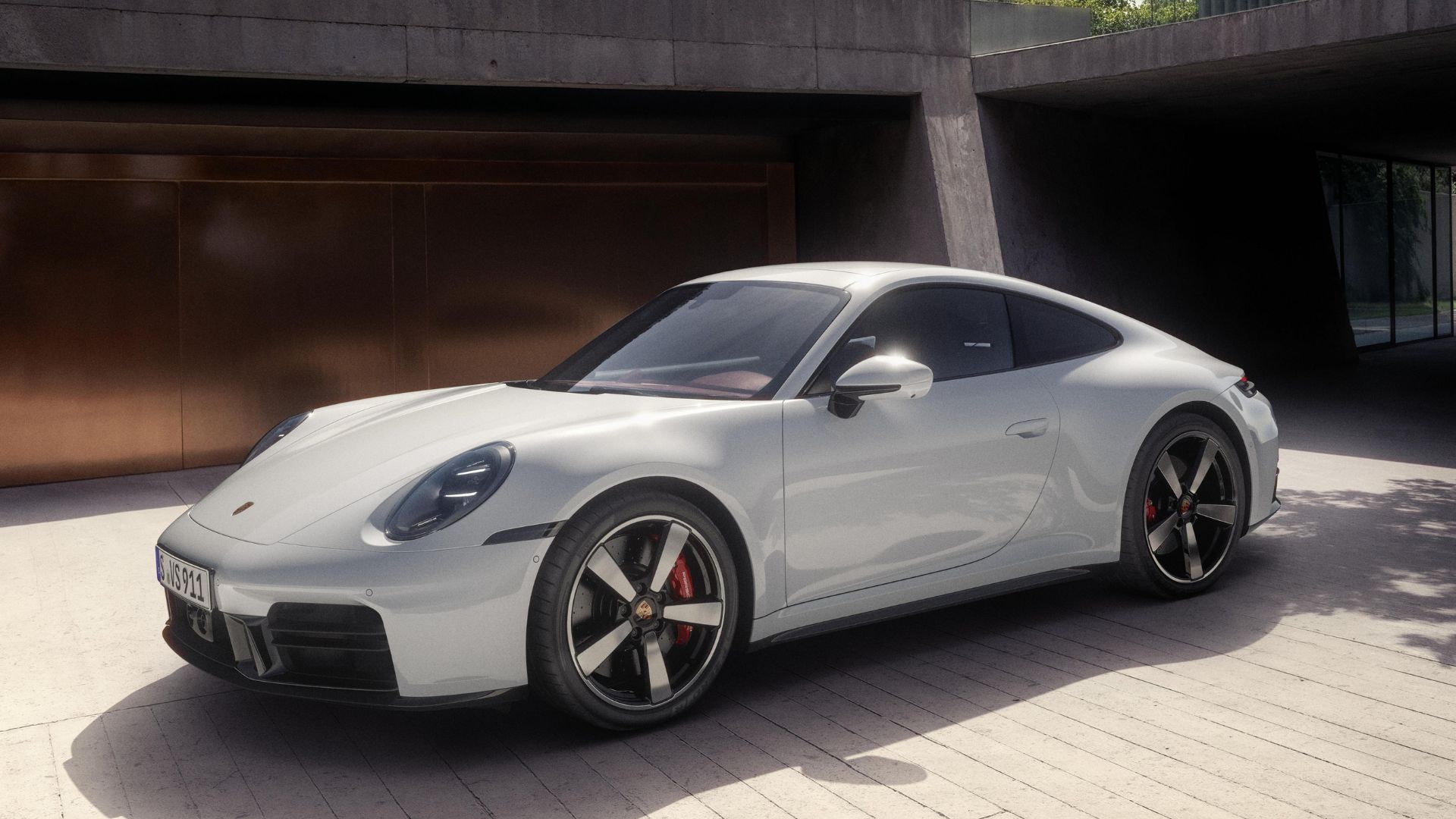
A proposed reduction in tariffs on European automobiles imported into the United States has been placed on hold, preserving the current duty structure and keeping the cost and competitive dynamics that have shaped the luxury and performance car import market largely unchanged.
The proposed reduction had been discussed as part of broader trade negotiations between the US and the European Union, with the automotive sector representing one of the most contentious elements of those discussions. European automakers, particularly German brands, export significant volumes of premium vehicles to the US market and had lobbied for tariff reductions that would allow more competitive pricing.
American manufacturers and the UAW pushed back against the reduction, arguing that lower import costs would disadvantage domestically produced vehicles and undermine jobs in US auto manufacturing. Their position appears to have prevailed in the current policy calculus.
The hold means European luxury and performance car pricing in the US market will continue to reflect the existing tariff burden, which is factored into MSRP levels across the affected brands.
Trade negotiators indicated the tariff discussion would remain on the agenda but that no resumption of active reduction talks was expected in the near term given the current policy environment.