
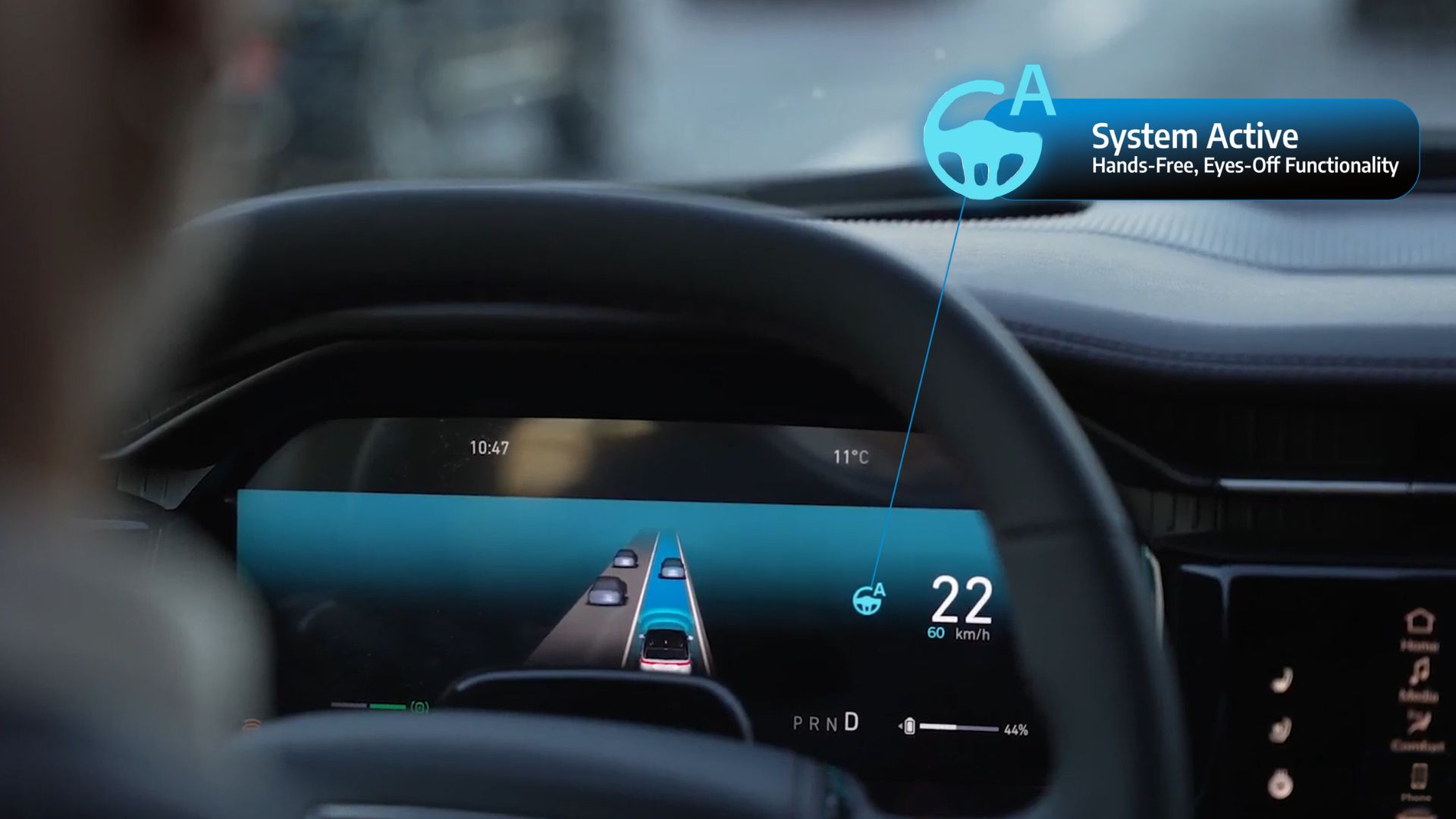
Stellantis has stated publicly that it believes the majority of its customers are not prepared to adopt fully autonomous driving features and that the company’s product strategy will reflect that reality rather than pushing capability levels ahead of actual consumer readiness.
The position represents a deliberate contrast with competitors who have moved more aggressively toward driver assistance systems that can operate the vehicle with minimal human input. Stellantis argues that building trust and demonstrating reliability at lower automation levels is a prerequisite to consumer acceptance of higher-level autonomy.
Consumer survey data from multiple research organizations consistently shows that a majority of drivers express skepticism or outright reluctance about fully autonomous vehicles, even as they embrace individual features like adaptive cruise control and lane centering when those systems perform reliably.
Stellantis said it will continue investing in driver assistance technology but that it intends to introduce capabilities at a pace calibrated to demonstrated consumer acceptance rather than technological possibility alone.
The approach carries business risk if competitors successfully accelerate consumer adoption of higher-level autonomy and capture buyers who want leading-edge capability. Stellantis is making a calculated bet that the mainstream market remains skeptical longer than the most optimistic autonomy timelines suggest.