
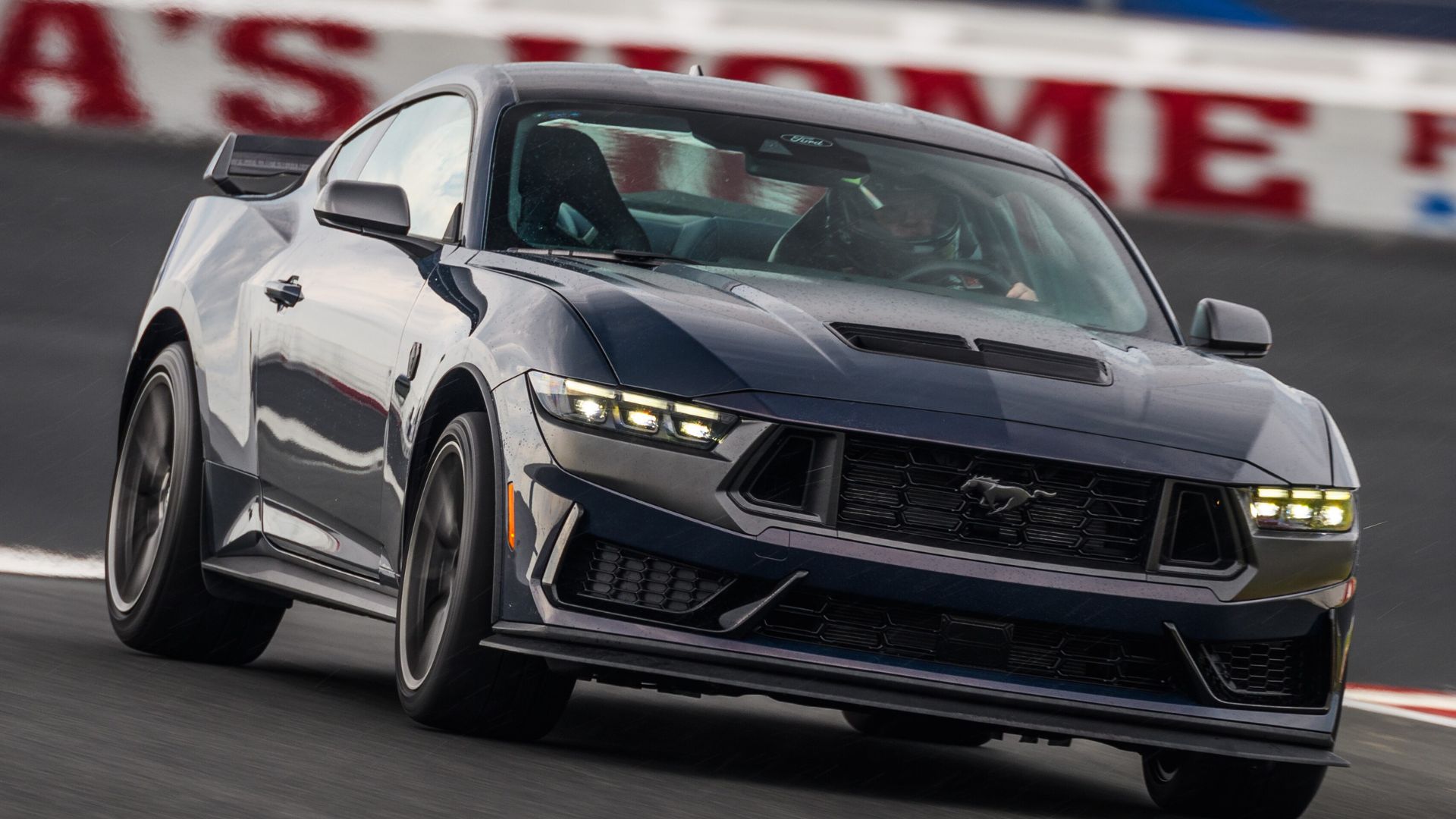
Ford has filed a recall with regulators covering 1,048 supercharger kits installed on 2024-2025 Mustangs, warning that a software issue tied to the performance upgrade could allow unintended acceleration under certain conditions.
Corvette Driver and Teen Passenger Injured After Car Slides Under Tractor-Trailer in North Carolina
What the Regulatory Filing Says
The recall applies to Ford’s official supercharger performance kit, which boosts output on the current-generation Mustang to approximately 810 horsepower. According to documents filed with the National Highway Traffic Safety Administration, the issue stems from the kit’s engine control module update. Ford said the software fault could prevent the vehicle’s computer from cutting power during an unintended acceleration event, meaning built-in safeguards designed to intervene if the throttle sticks might not function as intended.
No Accidents Reported, But Caution Urged
Ford says no accidents or injuries have been linked to the issue so far, but the company is advising owners not to drive affected vehicles aggressively or on public roads until the repair is completed. Dealers will update or replace the affected control module software at no cost to owners.
Which Vehicles Are Affected
The recall covers kits installed on both manual and automatic 2024-2025 Mustangs, including GT and Dark Horse trims. Owners who purchased or had the supercharger kit installed through Ford Performance or an authorized dealer are being contacted directly by Ford.
Ford Recalls Nearly 625,000 Vehicles Over Seatbelt and Camera Malfunctions
What Owners Should Do
Owners can check their vehicle’s recall status by entering their VIN at NHTSA.gov or by contacting Ford Performance customer service directly. Until the software update is completed, Ford is recommending affected owners avoid aggressive driving in these vehicles given the combination of high horsepower and the potential safeguard malfunction.