
An Unusual Storm for the Desert
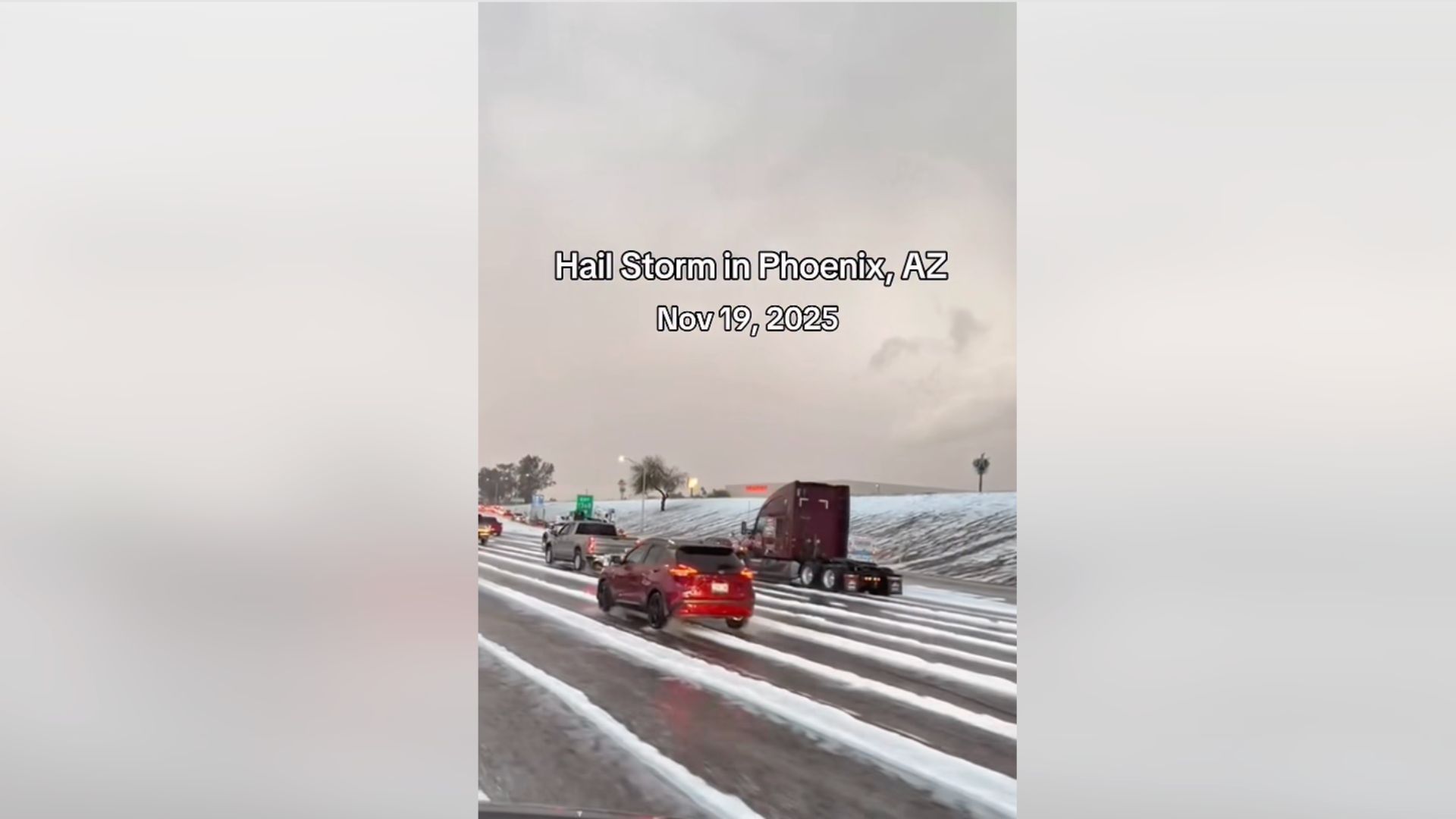
A powerful storm system swept through the Southwest Thursday, dropping enough hail on Phoenix to leave sections of Interstate 10 blanketed in ice, an unusual sight for a desert highway. Drivers found themselves navigating through hail-covered lanes as the storm briefly transformed the morning commute into treacherous, slick conditions more typical of a mountain winter than an Arizona desert.
@foxweather 🧊HAIL OF A DRIVE: Severe storms blanketed parts of the Phoenix area with so much hail that Interstate 10 looked like a winter wonderland. The same storm system brought flash flood warnings to Texas Thursday. Details: #phoenix #arizona #thunderstorm #hail #i10 ♬ original sound – FOX Weather
Torrential Rain and Lightning Precede the Hail
The system produced heavy rainfall, frequent lightning, and multiple hail cores as it moved through the region. Sheets of hail accumulated on I-10, creating hazardous, ice-like conditions for commuters and prompting a wave of dramatic footage shared across social media showing cars navigating the frozen buildup.
The Same System Brings Flash Flooding to Texas
As the storm moved east into Texas, hail gave way to a different hazard entirely: flash flooding. Emergency alerts were issued across several counties as persistent rain bands raised the risk of flooded roads, swamped neighborhoods, and rapidly rising creek levels.
A Short but Intense Event
Late-season storms of this intensity aren’t unheard of in the Southwest, since Arizona periodically sees hail when monsoon-driven moisture collides with the region’s typical desert heat. This particular system was brief but intense, causing vehicle damage and landscaping destruction before moving on relatively quickly.
Different Outcomes on Either Side of the State Line
Authorities in both Arizona and Texas urged drivers to remain cautious as additional storm cells continued developing on radar. Phoenix’s roads cleared relatively quickly once the hail stopped, but Texas faced a longer ordeal, with flood concerns persisting well into the night as residents waited for the weather system to finally move on.