 By John Lloyd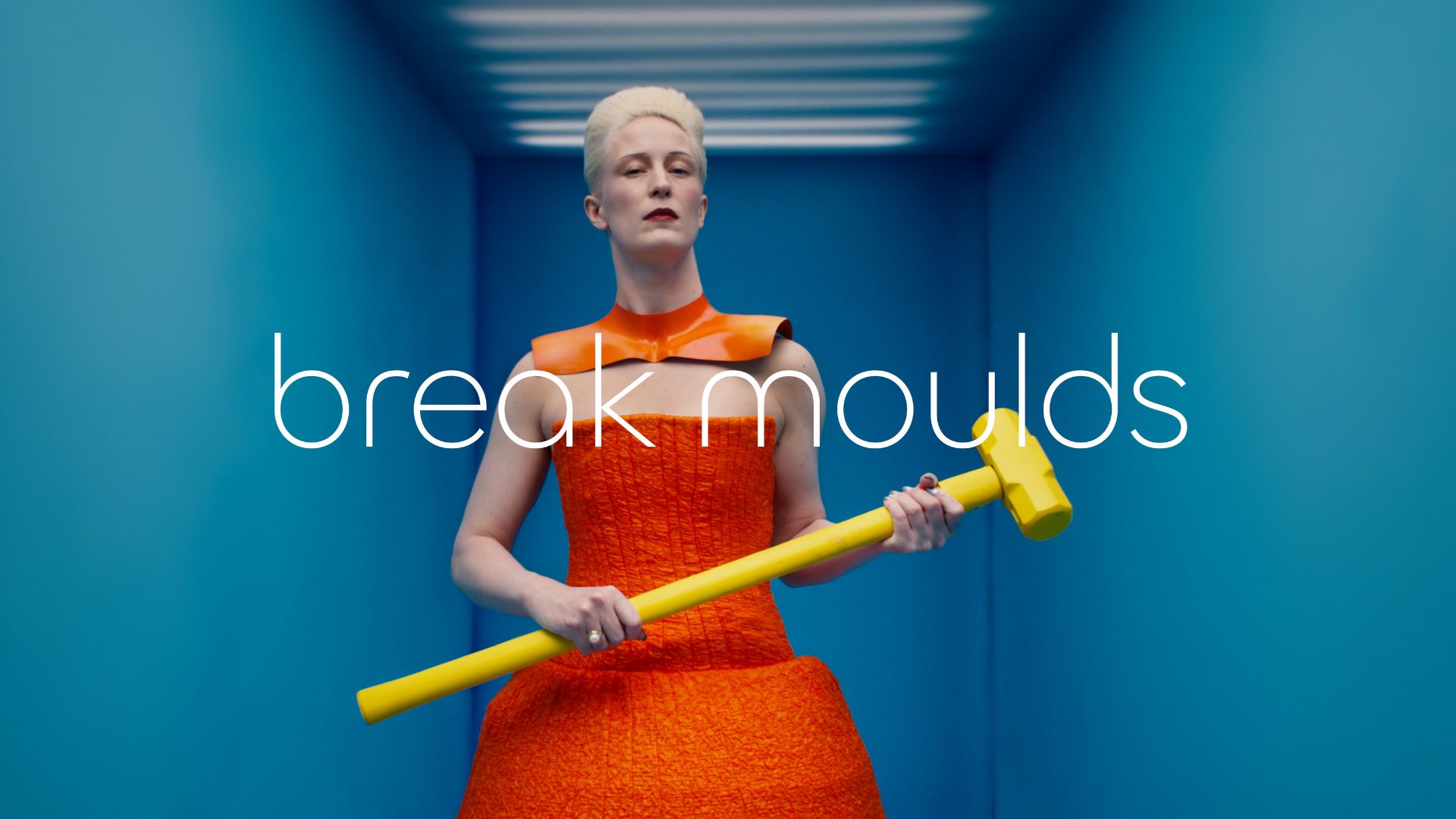
Jaguar has dismissed the creative leader responsible for its recent brand overhaul, a decision that follows a turbulent year marked by collapsing sales, plunging stock value and a contentious advertising campaign that failed to resonate with consumers. The move comes less than two weeks after new Jaguar Land Rover CEO P.B. Balaji officially assumed leadership of the company.
The luxury brand’s redesign, unveiled in late 2024, attempted to reposition Jaguar as an all-electric marque with a bold new visual identity. The campaign dropped the iconic leaping jaguar emblem and presented stylized imagery featuring androgynous models, abstract settings and slogans intended to signal a break from traditional automotive themes. Notably, the promotion showcased no vehicles, a decision that quickly drew public criticism and fueled widespread debate over the direction of the storied brand.
The backlash intensified online and contributed to an already deteriorating sales environment. Jaguar had phased out its internal combustion lineup, reducing product availability while transitioning to electric models. By early 2025, inventory across many European dealerships had dwindled to single digits, and sales had fallen more than 97 percent due to halted production. U.S. sales also shrank dramatically, averaging just over 500 units throughout 2025. Investor confidence dropped alongside demand, with Jaguar’s stock sliding more than 95 percent from its previous year’s highs.
Leadership turnover followed. Earlier this year, then-CEO Adrian Mardell announced plans to step down, though the company maintained the decision was unrelated to the rebrand. Balaji, previously the CFO of parent company Tata Motors, stepped into the role promising renewed focus and sharper execution. His first major personnel change came Monday, when he removed chief design officer Gerry McGovern, who had overseen the controversial redesign. Reports indicated McGovern was escorted from company offices, though specific reasons for his departure were not disclosed.
Jaguar had initially defended its creative direction, arguing that the brand needed to break from established norms and communicate at a higher price point. Executives acknowledged the polarizing response, attributing part of the backlash to the limits of social media in conveying nuance. Still, as consumer criticism broadened and political commentary entered the fray, pressure grew for the company to reset its trajectory.
The firing marks a significant shift for Jaguar as it attempts to stabilize operations, rebuild its product strategy and recover from one of the steepest sales declines in its history.
 Shawn Henry
  Eve Nowell