
Lawsuits Over Engine Failures Combine Into One Case
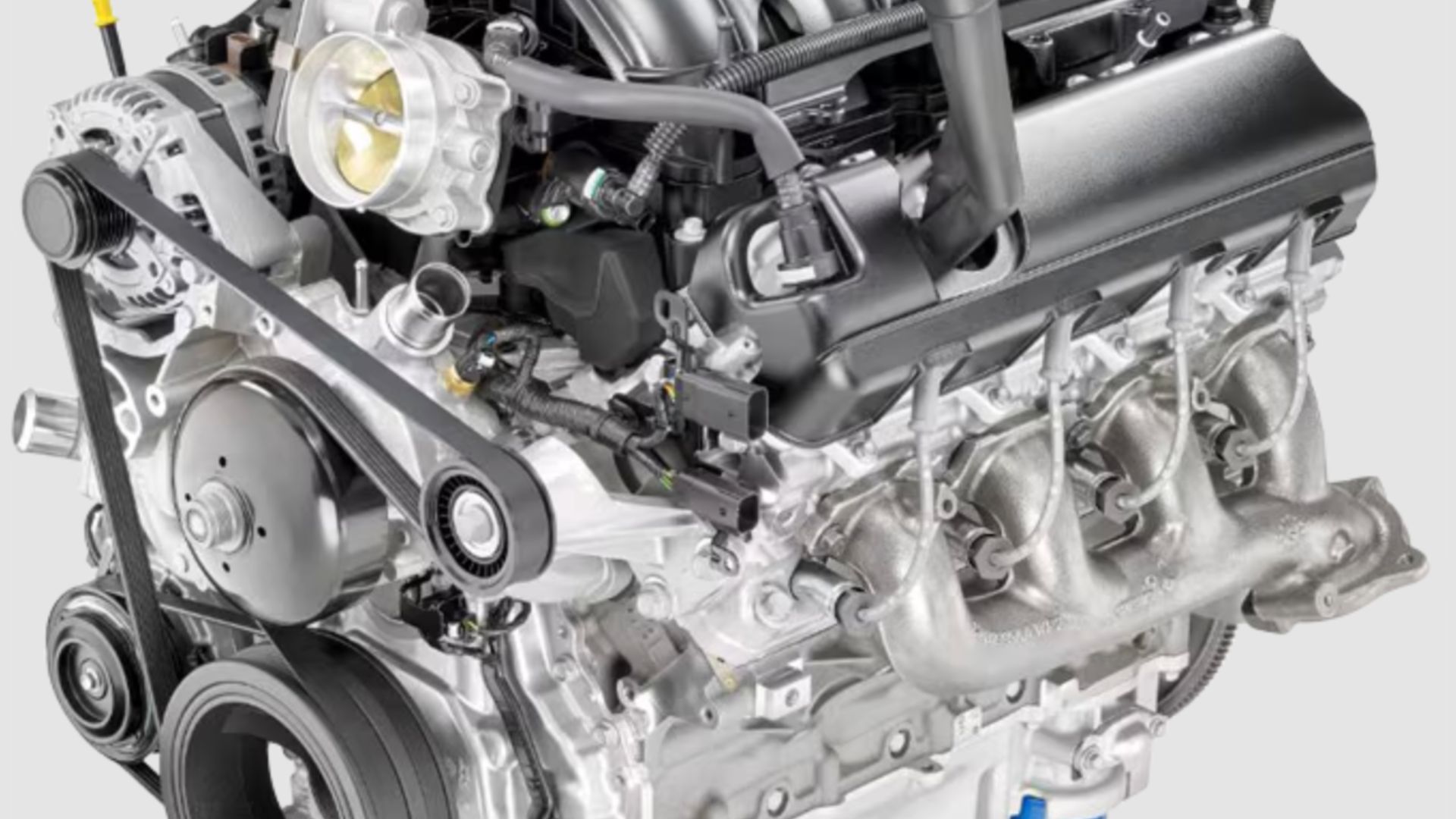
General Motors is facing a unified legal challenge after multiple lawsuits tied to failures in its 6.2-liter V8 L87 engine were consolidated into a single federal case, intensifying scrutiny of the automaker’s recall response.
How the Recall Came About
The legal fight traces back to widespread complaints about engine failures, first flagged to the National Highway Traffic Safety Administration after more than 1,000 consumer reports came in. Those complaints triggered a federal investigation and ultimately led GM to issue a recall in April 2025 covering nearly 600,000 trucks and SUVs, citing problems with the engine’s crankshaft, bearings, and connecting rods.
Which Vehicles Are Affected
The recall covers certain 2019 through 2024 model year vehicles, including the Chevrolet Silverado 1500 and GMC Sierra 1500 pickups, along with full-size SUVs such as the Chevrolet Tahoe, Suburban, GMC Yukon, and Cadillac Escalade.
Owners Say the Fix Doesn’t Go Far Enough
While GM’s recall acknowledged mechanical problems within the engine, plaintiffs allege the remedy the company offered, primarily a change in engine oil specifications, doesn’t adequately address the underlying defect. According to the lawsuit, plaintiffs contend the engines remain fundamentally flawed even after the recall repair, leaving owners exposed to ongoing failure risk.
How the Case Was Consolidated
As similar complaints piled up across multiple jurisdictions, a federal judge consolidated more than ten lawsuits into a single case, known as the Powell lawsuit, by August 2025. An additional lawsuit has since been folded into the case, further expanding its scope. The consolidated litigation will proceed in Michigan, allowing a single court to evaluate the claims rather than handling them through separate, piecemeal proceedings.
What’s at Stake
The court is expected to examine whether GM’s recall adequately addressed the underlying defect and whether affected owners are entitled to compensation beyond the repairs GM has already offered. It’s important to note these remain contested allegations at this stage of litigation, not proven findings. Still, the outcome could carry real financial consequences for GM, including higher warranty costs and potential legal liability.
Why This Case Matters Beyond GM
For owners of the roughly 600,000 affected trucks and SUVs, the case could determine whether additional remedies or compensation become available down the line. More broadly, the litigation’s outcome could shape how automakers approach large-scale engine defects and recall remedies going forward, particularly when owners argue a recall fix doesn’t fully resolve the underlying mechanical issue.