 By Shawn Henry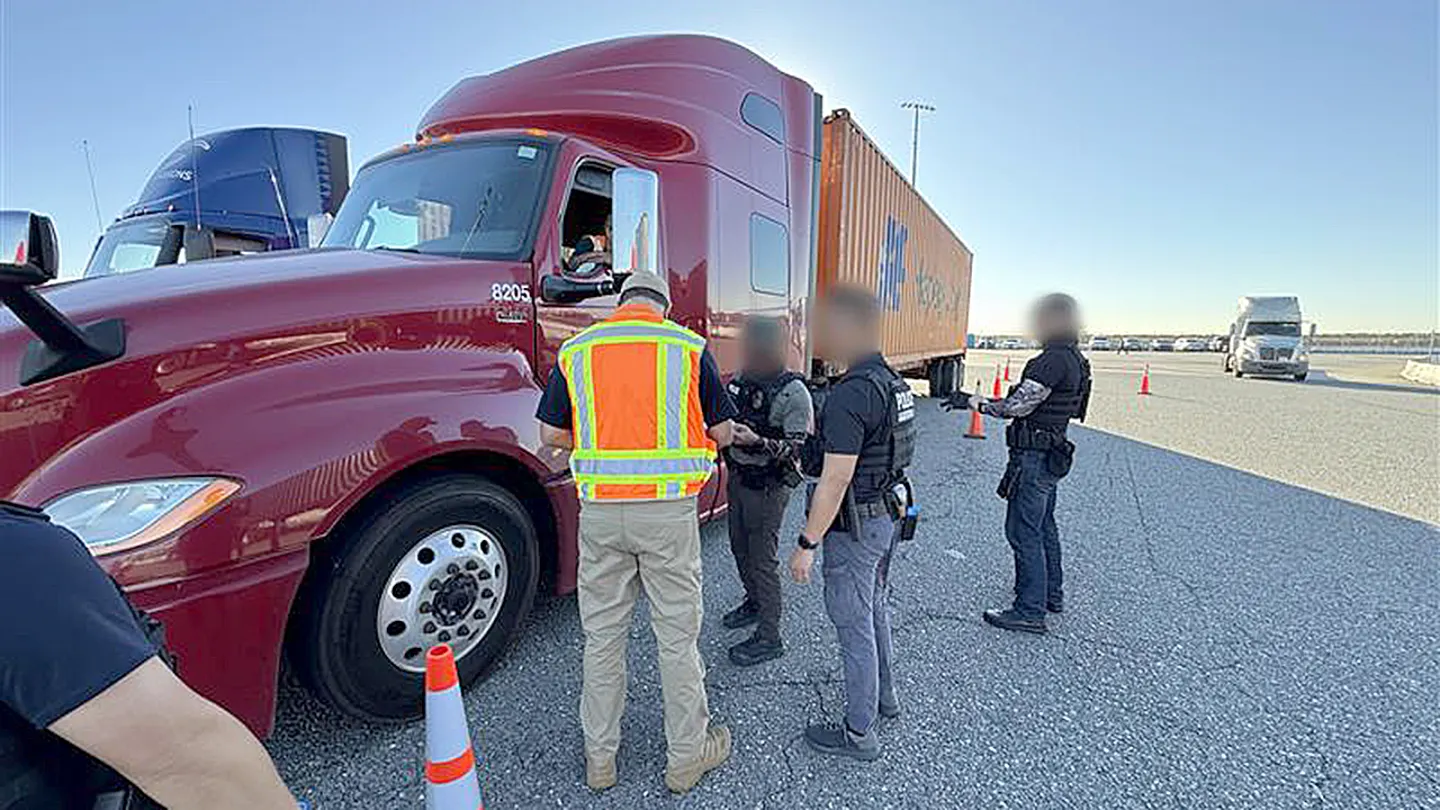
North Carolina could forfeit $50 million in federal funding after investigators determined that a majority of the state’s commercial driver’s licenses were issued improperly or without meeting basic English proficiency standards.
Federal officials found that 54% of commercial driver’s licenses issued in the state did not comply with required regulations. The findings indicate that thousands of licenses were granted illegally or without applicants demonstrating sufficient English language skills, a core requirement tied to road safety and federal compliance.
The investigation has placed North Carolina under significant pressure from federal authorities. Officials have informed the state that it must revoke all improperly issued licenses to remain eligible for the funding. Failure to do so would result in the loss of $50 million in federal transportation dollars, a substantial financial penalty with potential statewide implications.
Commercial driver’s licenses are regulated under federal guidelines designed to ensure that drivers operating large trucks and buses can safely communicate, read road signs, and understand safety instructions. English proficiency is a baseline requirement, particularly for interstate commerce, emergency response, and regulatory compliance.
The scale of the findings suggests systemic problems rather than isolated administrative errors. With more than half of the state’s commercial licenses flagged, the revocation process could affect a large segment of the trucking workforce. That outcome raises concerns about disruptions to freight movement, supply chains, and industries that rely heavily on commercial transportation.
State officials now face a narrow path forward. Revoking the licenses would satisfy federal demands but could trigger workforce shortages and economic strain. Failing to act would preserve the current licensing pool but at the cost of losing critical federal funding that supports transportation infrastructure and related programs.
The situation highlights the tension between regulatory enforcement and economic stability. Federal authorities have made clear that compliance is mandatory, leaving the state with little room for negotiation.
As North Carolina evaluates its next steps, the outcome may influence how other states review their own commercial licensing systems. The investigation underscores the federal government’s emphasis on uniform enforcement of licensing standards and the financial consequences tied to noncompliance.
Source/Image via Department of Homeland Security