 By Eve Nowell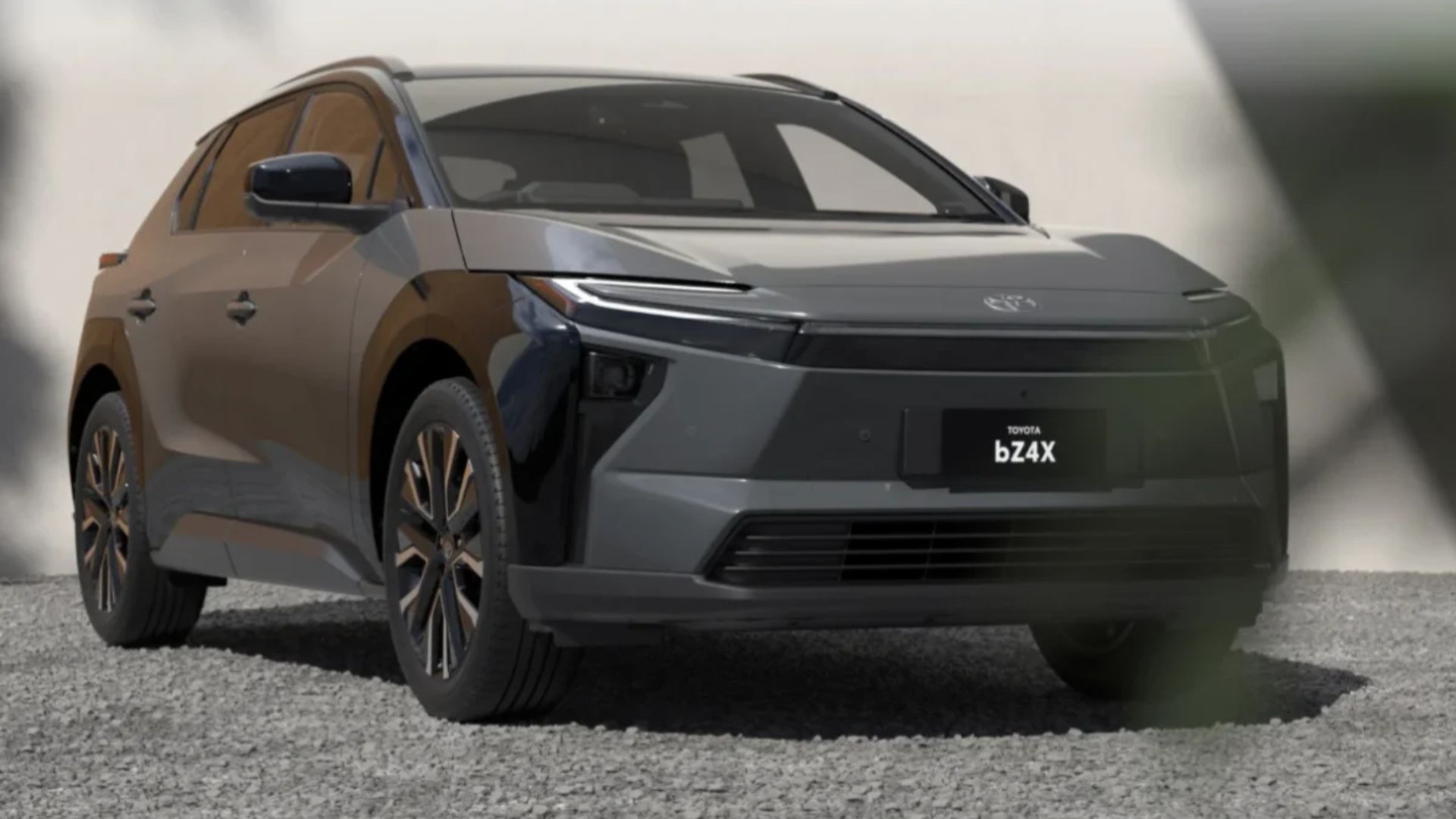
Toyota is expanding its vision for electric vehicles by testing whether they can serve as backup power sources for homes during blackouts, placing its bZ4X electric SUV at the center of that effort.
At Toyota’s North American headquarters in Plano, Texas, the automaker is running real-world trials that challenge the traditional role of electric vehicles. Instead of simply drawing electricity from the grid, the tests explore how an EV can send power back when demand is high or service is disrupted.
The pilot program uses a Japanese-market Toyota bZ4X connected to a bidirectional charger supplied by Fermata Energy, in coordination with Texas utility provider Oncor. The charger allows electricity to flow both into and out of the vehicle, turning the SUV into a mobile energy storage system.
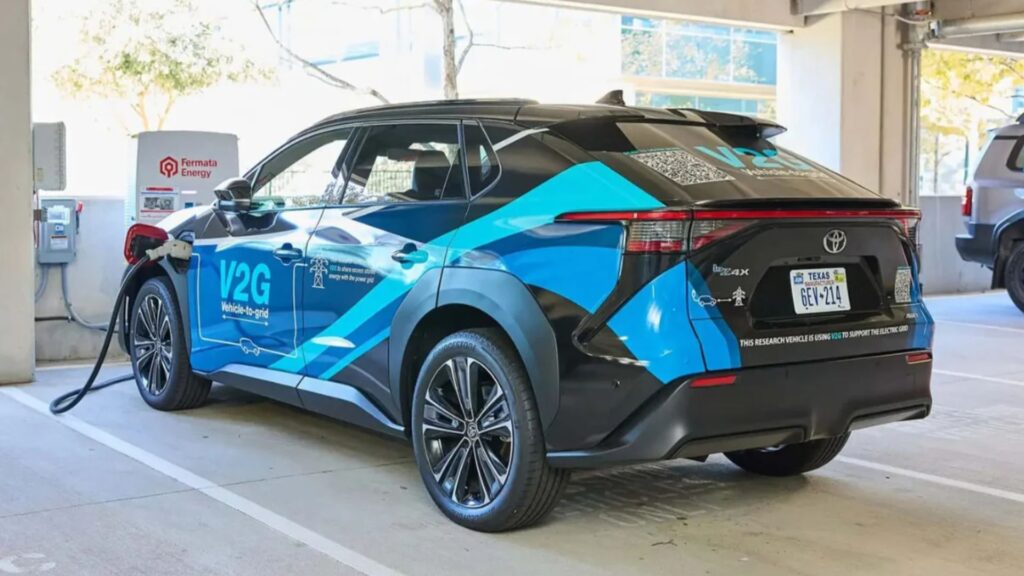
Software used in the project monitors electricity prices and grid conditions in real time. When demand is low and power is inexpensive, the vehicle charges. When demand spikes or the grid comes under stress, the stored energy can be sent back out. In future applications, Toyota says that power could be routed directly into a home during a blackout.
The company’s approach comes as electric grids face increasing strain from extreme heat, stronger storms, aging infrastructure, and growing electricity use from data centers. Power outages, once considered rare, are becoming more common in some regions.
Toyota estimates that the roughly four million electric vehicles already on U.S. roads collectively hold energy capacity equivalent to about 40 nuclear power plants. Much of that potential sits unused while vehicles remain parked for most of the day.
Beyond emergency use, Toyota sees financial benefits for drivers. Owners could charge vehicles when electricity is cheapest, store that energy, and use it later when prices rise. Distributing electricity demand this way could also reduce stress on transformers and power lines, lowering long-term infrastructure costs.
Automakers and utilities have increasingly begun to view EVs as energy assets rather than liabilities. While some manufacturers already offer vehicles with vehicle-to-grid capability, Toyota does not currently provide this feature to customers. The Texas pilot is part of what the company views as a testing phase to evaluate reliability, cost, and real-world benefits.
If successful, Toyota’s experiments could reshape how drivers think about electric vehicles. Instead of serving only as transportation, EVs could become backup power sources, grid stabilizers, and a form of energy insurance when outages occur.
 Shawn Henry