
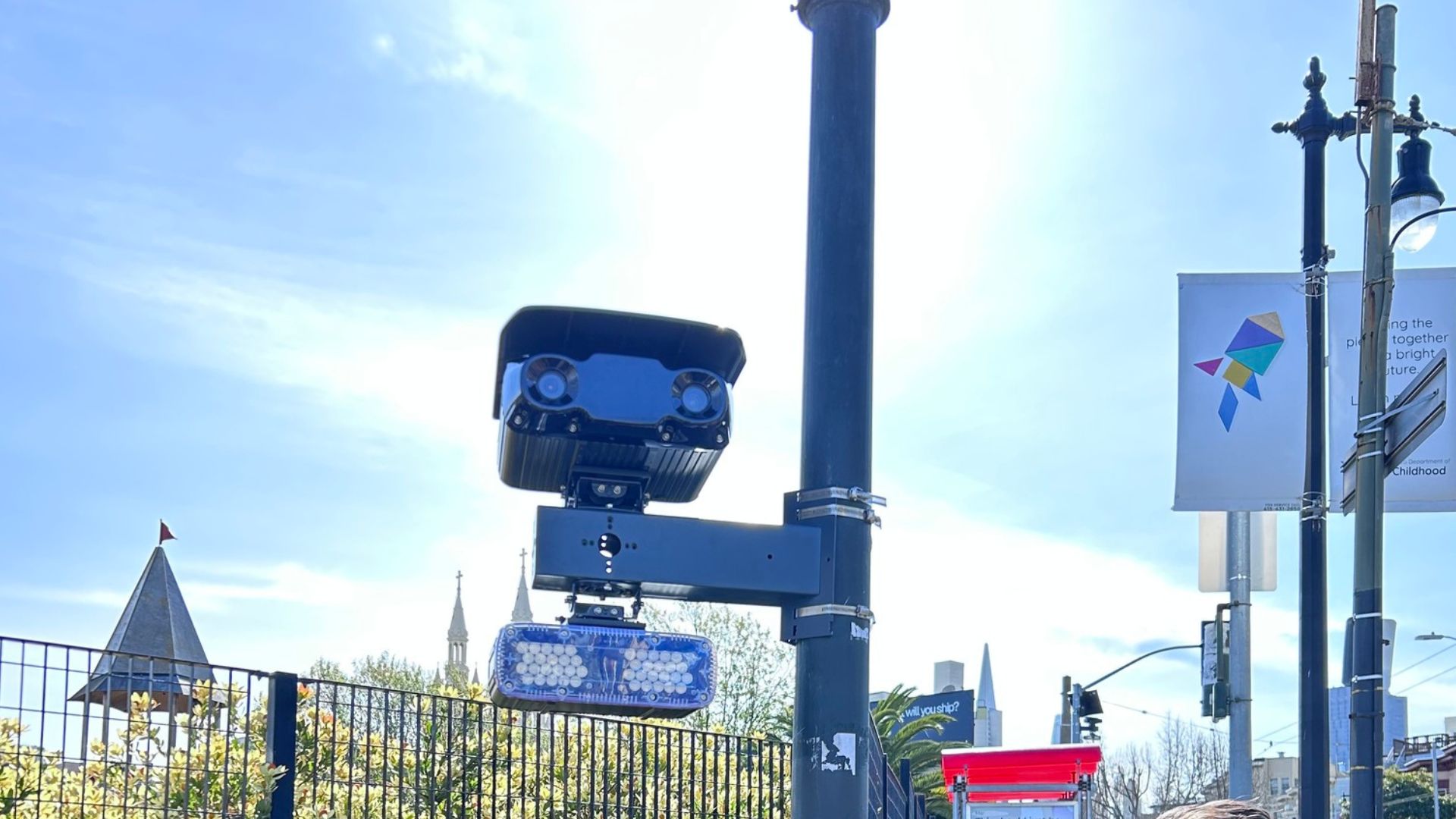
Eight AI traffic cameras in Athens logged 28,973 violations in under a month of testing — an average of more than 1,100 a day per site — and Greek authorities haven’t even switched on the fines yet. Preliminary results released by the country’s transport authorities suggest everyday rule-breaking is far more common than enforcement has ever actually captured.
Federal Review Finds Majority of North Carolina Truck Licenses Issued Illegally, Duffy Says
What the Cameras Actually Caught
The cameras operated between December 15 and January 8 across Athens and its southern suburbs, with the released totals coming from a preliminary evaluation phase that’s nearing completion. Unlike traditional speed cameras, these systems use artificial intelligence to continuously analyze traffic behavior, flagging drivers using mobile phones, skipping seatbelts, speeding, running red lights, or driving in restricted bus lanes — all without any on-site human monitoring.
The initial rollout placed cameras at just seven major roads and intersections, yet they still recorded an average of more than 1,100 violations per day. On Syngrou Avenue alone, one camera flagged more than 8,000 drivers for seatbelt or mobile phone violations and logged over 1,000 speeding offenses in a 90 km/h zone. Red-light violations were even more concentrated at certain intersections — a single camera on Vouliagmenis Avenue recorded 13,722 infractions in less than a month.
Fines Are Coming Soon
Right now, the system is in a calibration phase where violations get recorded but fines aren’t automatically issued yet. That’s expected to change later this month, when the program becomes fully operational and offenders start receiving digital notices complete with photographic evidence.
The penalties awaiting them are steep. Seatbelt and mobile phone violations carry fines of €350, speeding penalties range from €150 to €750, and running a red light can bring fines up to €2,000 along with license suspensions of up to one year for repeat offenders. Those figures carry real weight against Greece’s average monthly salary of roughly €1,200.
A Bigger Rollout Is Already Planned
The pilot has already raised questions about data storage, access, and privacy compliance under both Greek and EU law. Despite those concerns, expansion is moving forward regardless — the full program calls for 2,000 fixed cameras and 500 mobile units, backed by a budget of roughly €93.8 million.
Similar AI-based enforcement systems are already running across Europe, Australia, the United States, and Asia, and Greece’s early numbers are a reminder of just how quickly automated traffic enforcement is becoming the global standard rather than the exception.