
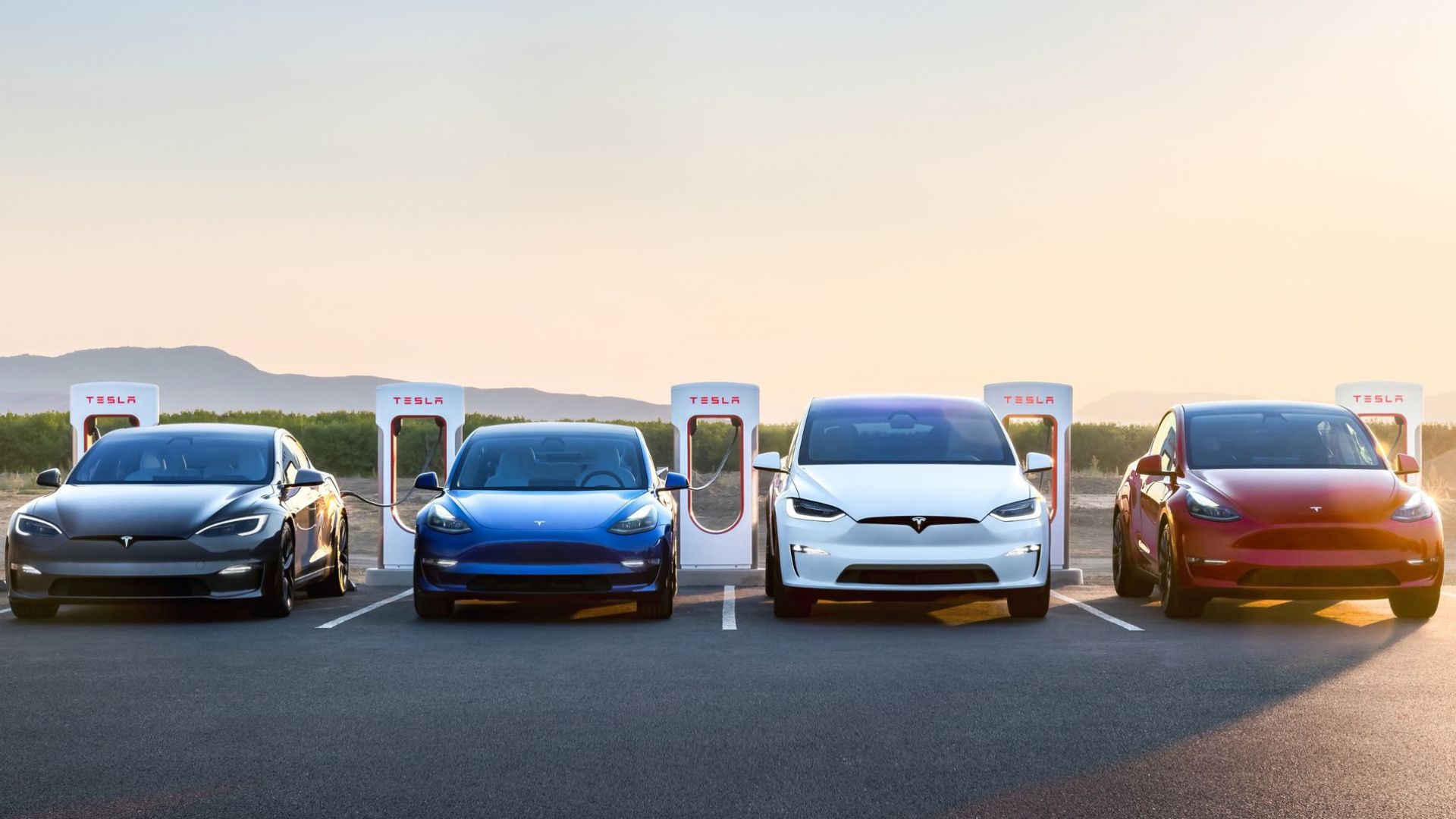
Nearly half of electric vehicle owners in the United States say they’re considering a switch back to gasoline-powered cars, according to new research that highlights growing dissatisfaction even as global EV adoption keeps accelerating.
Driverless Waymo Cars Stop Working During California Power Outage
The Numbers Behind the Dissatisfaction
McKinsey & Co.’s 2024 Mobility Consumer Pulse study drew on roughly one million data points collected through surveys, interviews, and focus groups. Among U.S. respondents who currently own an EV, 46% said they’re likely to switch back to gasoline when they buy their next vehicle — a striking number given that EV sales are still climbing globally, especially in China, where electric vehicles now make up more than half of new vehicle sales.
McKinsey projects global EV sales will grow sixfold by 2030, but the study makes clear that enthusiasm for buying an EV doesn’t always translate into long-term satisfaction with owning one. Across all markets surveyed, 29% of EV owners named inadequate charging infrastructure as their top concern, and 35% pointed specifically to shortcomings in public charging networks. High ownership costs were flagged by 34% of respondents, while 32% said EVs make long-distance travel more difficult.
This Isn’t a New Problem
Dissatisfaction with EV ownership isn’t a fresh phenomenon. Earlier data already showed that more than a quarter of Tesla owners wouldn’t buy another Tesla, and one in five Californians who bought early-generation EVs between 2012 and 2018 eventually went back to gasoline. Early adopters were generally willing to tolerate limited charging access and other usability trade-offs, but newer buyers appear far less patient with those same compromises.
Marketing Promises vs. Real-World Infrastructure
Industry analysts suggest part of the frustration comes down to how automakers have positioned EVs in the first place. Many manufacturers marketed electric models as premium or luxury products, setting expectations for convenience that current charging infrastructure and vehicle capabilities don’t always meet. Meanwhile, EVs themselves have grown larger and heavier, with sizable battery packs now showing up in full-size trucks and SUVs — a combination that can mean slower charging times and weaker road-trip efficiency.
Public charging satisfaction has actually declined as adoption has increased, likely a byproduct of longer wait times and aging equipment straining under higher demand. Federal funding of $7.5 billion has been earmarked for expanding and improving public chargers, but real gaps in coverage and reliability remain.
Not a One-Size-Fits-All Solution Yet
Taken together, the data suggest EVs still aren’t a universal fit for every driver. Some models with strong fast-charging capability handle road trips just fine, while others fall short of everyday expectations. As adoption keeps widening, the study suggests that vehicle design choices and individual buyer needs will play an increasingly large role in determining who actually stays satisfied with their EV over the long haul.